To authorize the Secretary of Defense to carry out a program to support the defense biotechnology supply chain, and for other purposes.
Summary
What This Bill Does
This bill authorizes the Defense Secretary, with the military departments and relevant Defense Agencies, to create a biotechnology supply chain resiliency program. The program may develop, scale, and transition biotechnology research from military service laboratories into defense-relevant chemicals, materials, fuels, and other products that improve supply-chain resilience, sustainability, and responsiveness. Authorized activities include DOD supply-chain vulnerability assessments; applied research, experimentation, advanced development, rapid prototyping, and transition in bioindustrials and biomanufacturing; biologically derived materials that reduce foreign supply-chain reliance; physical and digital infrastructure upgrades or construction for labs and partners; contracts, cooperative agreements, grants, and other transactions with federal and non-federal entities; education, training, and workforce development; alignment with national bioindustrial strategies; next-generation feedstocks; performance metrics; construction-grade bio-cement, deployable infrastructure components, protective coatings, biological composites, and manufacturing cost-efficiency. If the program starts, DOD must submit an appropriations allocation plan within 90 days, annual reports after one year, and the authority terminates after 10 years unless the President determines continuation is needed for national economic or security needs and notifies Congress.
Who Benefits and How
Military service laboratories benefit because the program can fund applied biotechnology research, prototyping, testing, and transition work. Defense biotechnology companies benefit from contracts, cooperative agreements, grants, and other transactions for defense-relevant biomanufacturing. Academic biotechnology researchers benefit from partnership opportunities tied to bioindustrial research and workforce development. Armed Forces logistics planners benefit if field-enabled manufacturing, bio-cement, protective coatings, and biological composites reduce fragile foreign supply-chain dependence.
Who Bears the Burden and How
Defense Department program managers must assess vulnerabilities, coordinate across military departments, manage partnerships, track metrics, and report annually. Military department laboratory directors must align research and infrastructure investments with program priorities. Congressional armed services committees must review the 90-day allocation plan and annual classified or unclassified reports. Federal taxpayers bear the cost of infrastructure modernization, grants, contracts, prototypes, and workforce initiatives.
Key Provisions
- Authorizes a Defense biotechnology supply chain resiliency program for research, prototyping, infrastructure, and transition.
- Allows contracts, cooperative agreements, grants, and other transactions with federal, commercial, academic, and research partners.
- Requires a 90-day appropriations allocation plan after program commencement.
- Requires annual reports on research, partnerships, infrastructure, metrics, challenges, and needed authorities.
- Provides a ten-year sunset with presidential continuation authority for national economic or security needs.
Evidence Chain:
This summary is generated from the full bill text using AI analysis. Expand "Detailed Analysis" below for identified beneficiaries/burden bearers with clause-level evidence links.
At a Glance
What This Bill Does
Authorizes a ten-year Defense Department biotechnology supply chain resiliency program for vulnerability assessments, military laboratory research, biomanufacturing prototypes, infrastructure upgrades, contracts, grants, other transactions, workforce development, annual reports, and possible presidential continuation.
Key Policy Areas
Defense, Biotechnology, Supply Chain
Primary Purpose
Authorizes a ten-year Defense Department biotechnology supply chain resiliency program for vulnerability assessments, military laboratory research, biomanufacturing prototypes, infrastructure upgrades, contracts, grants, other transactions, workforce development, annual reports, and possible presidential continuation.
Policy Domains
Resolution provisions
Identified Gains
- Military service laboratories
- Defense biotechnology companies
- Academic biotechnology researchers
- Armed Forces logistics planners
Identified Costs
- Defense Department program managers
- Military department laboratory directors
- Congressional armed services committees
- Federal taxpayers
Sponsors


Legislative Progress
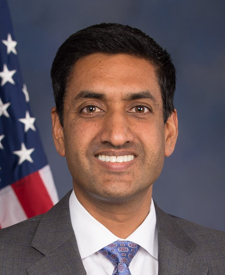
In CommitteeMr. Khanna (for himself, Mr. Garamendi, and Mr. Davis of …
Referred to the House Committee on Armed Services.
Introduced in House
Stakeholder Effects
cui bono?How this legislation distributes effects. Mention counts reflect frequency, not effect magnitude.
Bill Structure & Actor Mappings
Who is "The Secretary" in each section?
We use a combination of our own taxonomy and classification in addition to large language models to assess meaning and potential beneficiaries. High confidence means strong textual evidence. Always verify with the original bill text.
Learn more about our methodology