To require the Administrator of the Transportation Security Administration of the United States to develop guidelines to improve returning citizens' access to the Transportation Worker Identification Credential program, to assist individuals in custody of Federal, State, and local prisons in pre-applying or preparing applications for Transportation Worker Identification Credential cards, and to assist individuals requesting an appeal or waiver of preliminary determination of ineligibility, and for other purposes.
Summary
What This Bill Does
This bill requires TSA to improve returning citizens' access to the Transportation Worker Identification Credential program. The findings explain that TWIC cards are needed for workers accessing secure maritime facilities and vessels, that TSA and the Coast Guard jointly administer the program, and that many port, oil and gas, and maritime jobs require a valid TWIC card. The bill points to large numbers of people with criminal records, TSA waiver authority for some felony convictions, redress timelines that can take up to 90 days, a 98 percent overall issuance rate in sampled cases, and a 62 percent nonresponse rate in redress. Section 2 requires the TSA Administrator, within one year, to develop guidelines that help individuals in federal, state, and local prisons pre-apply or prepare TWIC applications and help applicants request an appeal or waiver after a preliminary determination of ineligibility. TSA must also brief Congress within one year on improvements to TWIC access and the clerk must transmit the Act to specified committees and officials.
Who Benefits and How
People in federal, state, and local prisons benefit because they can prepare TWIC applications before release. Returning citizens seeking port jobs benefit if earlier applications and waiver preparation shorten the time to maritime employment. Port employers benefit from a larger pool of workers who can obtain TWIC credentials after release. Reentry service providers benefit from clear TSA guidelines for helping clients navigate TWIC appeals and waivers.
Who Bears the Burden and How
TSA credentialing staff must develop guidelines, support appeal and waiver preparation, and brief Congress within one year. Federal, state, and local correctional staff may need to coordinate pre-application preparation for people in custody. Coast Guard port security staff must continue administering secure-area access with TSA while access improves. Applicants still must provide supporting documentation and clear TSA security review before receiving a TWIC card.
Key Provisions
- Requires TSA to develop TWIC access guidelines for returning citizens within one year.
- Requires guidelines for people in federal, state, and local prisons to pre-apply or prepare applications.
- Requires guidelines for appeals or waivers of preliminary TWIC ineligibility determinations.
- Requires TSA to brief Congress within one year on TWIC access improvements.
- Provides congressional findings on port jobs, recidivism, criminal records, TWIC issuance, and redress delays.
Evidence Chain:
This summary is generated from the full bill text using AI analysis. Expand "Detailed Analysis" below for identified beneficiaries/burden bearers.
At a Glance
What This Bill Does
Requires TSA to develop guidelines within one year to help incarcerated people pre-apply for TWIC cards and navigate appeals or waivers of preliminary ineligibility determinations.
Key Policy Areas
Transportation Security, Reentry, Maritime Workforce
Primary Purpose
Requires TSA to develop guidelines within one year to help incarcerated people pre-apply for TWIC cards and navigate appeals or waivers of preliminary ineligibility determinations.
Policy Domains
Resolution provisions
Identified Gains
Contextual inference, no direct clause citation- People in federal prisons
- Returning citizens seeking port jobs
- Port employers
- Reentry service providers
Contextual inference, no direct clause citation
Identified Costs
Contextual inference, no direct clause citation- TSA credentialing staff
- Correctional staff
- Coast Guard port security staff
- TWIC applicants
Contextual inference, no direct clause citation
Sponsors

Legislative Progress
In CommitteeReferred to the Subcommittee on Transportation and Maritime Security.
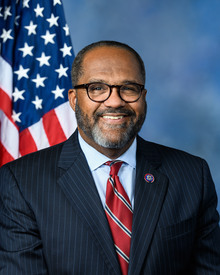
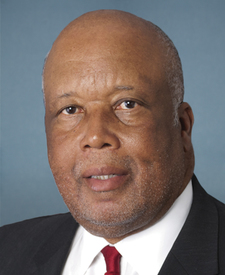
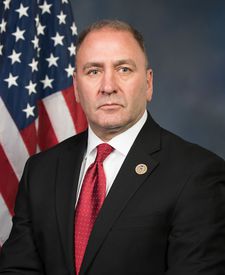
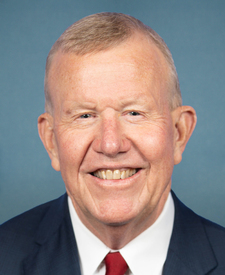
Mr. Carter of Louisiana (for himself and Mr. Higgins of …
Referred to the House Committee on Homeland Security.
Introduced in House
Stakeholder Effects
cui bono?How this legislation distributes effects. Mention counts reflect frequency, not effect magnitude.
Correctional staff, People in federal prisons
Positive-direction: People in federal prisons
Negative-direction: Correctional staff
Bill Structure & Actor Mappings
Who is "The Secretary" in each section?
We use a combination of our own taxonomy and classification in addition to large language models to assess meaning and potential beneficiaries. High confidence means strong textual evidence. Always verify with the original bill text.
Learn more about our methodology