To provide whistleblower protections to Federal personnel for disclosing the use of Federal taxpayer funds to evaluate or research unidentified anomalous phenomenon material, and for other purposes.
Analysis under review: This bill has generated analysis that may be too generic or incomplete. Clause-level evidence remains available below.
Summary
What This Bill Does
This bill adds protections for government employees and contractors who report on the use of federal funds for researching unidentified anomalous phenomena (UAP) material. It amends six existing whistleblower protection statutes to include UAP-related disclosures as protected activity, covering federal civilians, FBI employees, military personnel, DoD contractors, civilian government contractors, and intelligence community members.
Who Benefits and How
Federal employees and contractors across all agencies benefit from legal protection against retaliation when disclosing information about taxpayer-funded UAP research. This includes military members (Title 10), federal civilian employees (Title 5), FBI agents, DoD and civilian contractors (Titles 10 and 41), and intelligence community personnel (National Security Act). Congressional oversight bodies benefit from increased information flow about potentially classified UAP programs.
Who Bears the Burden and How
Federal agencies conducting UAP research face increased transparency obligations and the potential for more disclosures about their programs. The Department of Defense, intelligence agencies, and any government entities involved in UAP material research may face greater scrutiny of their spending.
Key Provisions
- Amends 5 U.S.C. 2302(b)(8) to protect federal civilian employee disclosures about UAP research funding
- Amends 5 U.S.C. 2303(a)(2) to extend protections to FBI employees
- Amends 10 U.S.C. 1034(c)(2) to protect military service member disclosures
- Amends 10 U.S.C. 4701(a)(1) to protect DoD contractor disclosures
- Amends 41 U.S.C. 4712(a)(1) to protect federal civilian contractor disclosures
- Amends Section 1104 of the National Security Act of 1947 to protect intelligence community disclosures
Evidence Chain:
This summary is generated from the full bill text using AI analysis. Expand "Detailed Analysis" below for identified beneficiaries/burden bearers.
At a Glance
What This Bill Does
Extends existing federal whistleblower protections to cover disclosures about the use of federal taxpayer funds to evaluate or research unidentified anomalous phenomenon (UAP) material, covering federal civilian employees, FBI personnel, military members, DoD contractors, federal civilian contractors, and intelligence community personnel.
Key Policy Areas
Defense, Government Operations
Primary Purpose
Extends existing federal whistleblower protections to cover disclosures about the use of federal taxpayer funds to evaluate or research unidentified anomalous phenomenon (UAP) material, covering federal civilian employees, FBI personnel, military members, DoD contractors, federal civilian contractors, and intelligence community personnel.
Policy Domains
Whole Bill - UAP Whistleblower Protections
Identified Gains
Contextual inference, no direct clause citation- Federal employees and contractors reporting on UAP programs
- Congressional oversight bodies
- Public transparency advocates
Contextual inference, no direct clause citation
Identified Costs
Contextual inference, no direct clause citation- Federal agencies conducting UAP research
- Department of Defense
- Intelligence community agencies
Contextual inference, no direct clause citation
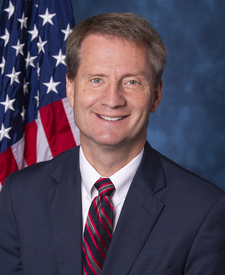
Sponsors

Legislative Progress
IntroducedMr. Burchett (for himself and Mrs. Luna) introduced the following …
Stakeholder Effects
cui bono?How this legislation distributes effects. Mention counts reflect frequency, not effect magnitude.
Federal agencies conducting UAP research, Federal civilian employees disclosing UAP research spending
Positive-direction: Federal civilian employees disclosing UAP research spending
Negative-direction: Federal agencies conducting UAP research
Intelligence community personnel, Military service members disclosing UAP information
Bill Structure & Actor Mappings
Who is "The Secretary" in each section?
We use a combination of our own taxonomy and classification in addition to large language models to assess meaning and potential beneficiaries. High confidence means strong textual evidence. Always verify with the original bill text.
Learn more about our methodology