Freedom From Union Violence Act of 2025
Summary
What This Bill Does
The Freedom From Union Violence Act rewrites the Hobbs Act section on interference with commerce by robbery, extortion, threats, or violence. It keeps a federal prohibition for conduct affecting commerce through robbery, extortion, conspiracy, attempts, or physical violence and sets a maximum penalty of a $100,000 fine, 20 years imprisonment, or both. The new text defines commerce, extortion, labor dispute, and robbery. It creates a limited carveout for conduct incidental to otherwise peaceful picketing during a labor dispute when it consists solely of minor bodily injury, minor property damage, or threats or fear of such minor harm, and is not part of a pattern or coordinated violent activity; those violations are left to state and local prosecution. The bill also says it does not change the Clayton Act, Norris-LaGuardia Act, National Labor Relations Act, or Railway Labor Act, and it does not bar federal jurisdiction simply because the conduct occurred during a labor dispute or also violates state law.
Who Benefits and How
Businesses affected by strike violence benefit because federal Hobbs Act jurisdiction remains available for serious robbery, extortion, threats, or violent conduct affecting commerce. Workers opposing coercive violence benefit from clearer federal penalties when labor-dispute conduct becomes robbery, extortion, or coordinated violence. Peaceful labor picketers benefit from the carveout for otherwise peaceful picketing involving only minor, non-pattern conduct. State prosecutors benefit because minor incidental picketing-related violations are reserved for state or local authorities.
Who Bears the Burden and How
Labor organizations with violent conduct face greater federal prosecution risk when conduct affects commerce and is not protected minor picketing. Federal criminal prosecutors must distinguish serious Hobbs Act conduct from the minor-picketing carveout. Union strike organizers must account for the risk that coordinated violence or threats can trigger federal jurisdiction. Federal courts must apply the rewritten definitions and carveout in labor-dispute prosecutions.
Key Provisions
- Amends 18 U.S.C. 1951 to cover robbery, extortion, attempts, conspiracies, threats, and physical violence affecting commerce.
- Provides penalties up to a $100,000 fine, 20 years imprisonment, or both.
- Adds definitions for commerce, extortion, labor dispute, and robbery.
- Provides a narrow carveout for otherwise peaceful picketing involving only minor, non-pattern injury or property damage.
- Protects federal jurisdiction for serious conduct during labor disputes and preserves existing labor statutes.
Evidence Chain:
This summary is generated from the full bill text using AI analysis. Expand "Detailed Analysis" below for identified beneficiaries/burden bearers with clause-level evidence links.
At a Glance
What This Bill Does
Rewrites the Hobbs Act to preserve federal robbery, extortion, and violence jurisdiction during labor disputes while exempting otherwise peaceful picketing involving only minor, non-pattern conduct.
Key Policy Areas
Labor, Criminal Justice, Commerce
Primary Purpose
Rewrites the Hobbs Act to preserve federal robbery, extortion, and violence jurisdiction during labor disputes while exempting otherwise peaceful picketing involving only minor, non-pattern conduct.
Policy Domains
Resolution provisions
Identified Gains
- Businesses affected by strike violence
- Workers opposing coercive violence
- Peaceful labor picketers
- State prosecutors
Identified Costs
- Labor organizations with violent conduct
- Federal criminal prosecutors
- Union strike organizers
- Federal courts
Sponsors
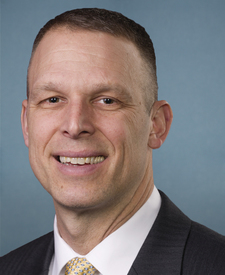

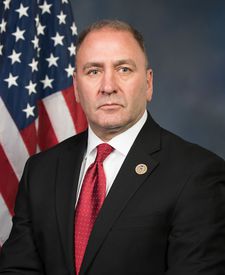
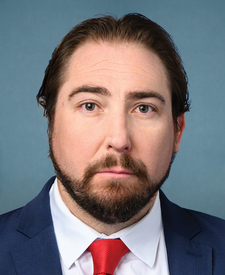
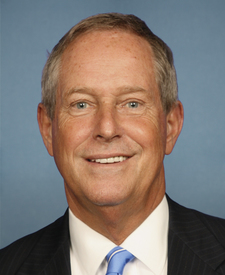
Legislative Progress
In CommitteeMr. Perry (for himself, Mr. Ogles, Mr. Cloud, Mr. Crane, …
Referred to the House Committee on the Judiciary.
Introduced in House
Stakeholder Effects
cui bono?How this legislation distributes effects. Mention counts reflect frequency, not effect magnitude.
Labor organizations with violent conduct, Peaceful labor picketers, Workers opposing coercive violence
Positive-direction: Peaceful labor picketers, Workers opposing coercive violence
Negative-direction: Labor organizations with violent conduct
Bill Structure & Actor Mappings
Who is "The Secretary" in each section?
We use a combination of our own taxonomy and classification in addition to large language models to assess meaning and potential beneficiaries. High confidence means strong textual evidence. Always verify with the original bill text.
Learn more about our methodology