To amend title 10, United States Code, to prohibit discrimination in the Armed Forces.
Analysis under review: This bill has generated analysis that may be too generic or incomplete. Clause-level evidence remains available below.
Summary
What This Bill Does
This bill, To amend title 10, United States Code, to prohibit discrimination in the Armed Forces., changes federal law or congressional policy affecting civil-rights stakeholders and affected communities. The main policy domain is Civil Rights, Defense, Environment.
Who Benefits and How
civil-rights stakeholders and affected communities may benefit from new authority, funding, eligibility, regulatory clarity, or reduced risk created by the bill.
Who Bears the Burden and How
federal implementing agencies, civil-rights stakeholders and affected communities may take on implementation duties, reporting obligations, compliance costs, or oversight responsibilities.
Key Provisions
- Section H41B9DB91CA3E4E1998E27859153B87B1: 1. Short title This Act may be cited as the Equal and Uniform Treatment in the Military Act or the EQUITY Act.
- Section H06D7A900F48644F2A51C0EDA791B98BC: 2. Findings Congress finds the following: Women, Black, Native American, and LGBTQIA+ Americans have served in the Armed Forces since the Revolutionary War. In...
- Section H4195996BAAA945619AA168B81905E0F5: 3. Nondiscrimination in the Armed Forces Chapter 49 of title 10, United States Code, is amended by inserting after section 985 the following new section:...
- Section H51E53BB85D114337949853CF26633299: 986. Prohibition on discrimination Subject to paragraph (2), discrimination within the Department of Defense against an individual on the basis of race, color,...
Evidence Chain:
This summary is generated from the full bill text using AI analysis. Expand "Detailed Analysis" below for identified beneficiaries/burden bearers with clause-level evidence links.
At a Glance
What This Bill Does
This bill, To amend title 10, United States Code, to prohibit discrimination in the Armed Forces., changes federal law or congressional policy affecting civil-rights stakeholders and affected communities.
Key Policy Areas
Civil Rights, Defense, Environment
Primary Purpose
This bill, To amend title 10, United States Code, to prohibit discrimination in the Armed Forces., changes federal law or congressional policy affecting civil-rights stakeholders and affected communities.
Policy Domains
Whole bill
Identified Gains
- civil-rights stakeholders and affected communities
Identified Costs
- federal implementing agencies
- civil-rights stakeholders and affected communities
Sponsors
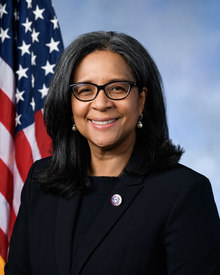
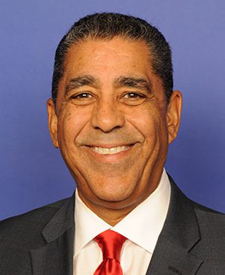
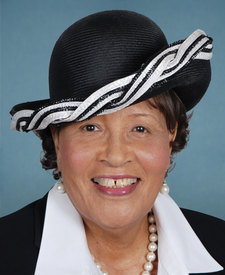
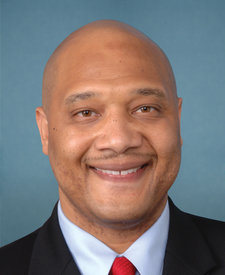
Legislative Progress
IntroducedMs. Strickland (for herself, Ms. Escobar, Ms. Sewell, Mr. Horsford, …
Impact analysis is available but no clear stakeholder effects identified. View clause-level analysis →
Bill Structure & Actor Mappings
Who is "The Secretary" in each section?
- "federal_implementing_agencies"
- → Federal agencies assigned duties by the bill
Key Definitions
Terms defined in this bill
the gender-related identity, appearance, mannerisms, or other gender-related characteristics of an individual, regardless of the individual’s designated sex at birth. The term sex includes— a sex stereotype
the gender-related identity, appearance, mannerisms, or other gender-related characteristics of an individual, regardless of the individual’s designated sex at birth. The term sex includes— a sex stereotype
We use a combination of our own taxonomy and classification in addition to large language models to assess meaning and potential beneficiaries. High confidence means strong textual evidence. Always verify with the original bill text.
Learn more about our methodology