To amend the Higher Education Act of 1965 to eliminate interest on student loans, establish the Education Affordability Trust Fund, increase annual and aggregate loan limits, and for other purposes.
Analysis under review: This bill has generated analysis that may be too generic or incomplete. Clause-level evidence remains available below.
Summary
What This Bill Does
This bill eliminates interest charges on most federal student loans starting July 1, 2024, and allows borrowers of private student loans to refinance into interest-free federal loans. It creates an Education Affordability Trust Fund that invests loan repayments in bonds and uses profits to fund education programs and Pell Grant supplements.
Who Benefits and How
Current and future student loan borrowers benefit dramatically from zero-interest loans, reducing total repayment amounts significantly. Low-income borrowers (under 400% of area median income) get 0% interest, while higher earners pay modest rates (1-3%). Students receiving Pell Grants may get supplemental grants from Trust Fund profits. Private loan borrowers can refinance into favorable federal consolidation loans.
Who Bears the Burden and How
The federal government loses substantial interest income that currently funds operations and pays for loan programs. Private student lenders (Sallie Mae, etc.) face significant competitive disadvantage as borrowers refinance into free federal loans. Higher education institutions may face pressure if increased loan limits drive tuition inflation. Taxpayers may bear costs if Trust Fund investments underperform.
Key Provisions
- Zero percent interest on federal student loans for borrowers earning up to 400% of area median income
- Automatic modification of existing federal loans to eliminate interest accrual
- Option to refinance private student loans into interest-free federal consolidation loans
- Creation of 6-member bipartisan Education Affordability Trust Fund Board to invest loan repayments
- Increased annual loan limits (e.g., $14,550 vs $12,000 for certain students) with annual inflation adjustments
Evidence Chain:
This summary is generated from the full bill text using AI analysis. Expand "Detailed Analysis" below for identified beneficiaries/burden bearers with clause-level evidence links.
At a Glance
What This Bill Does
Eliminates interest on federal student loans, establishes an Education Affordability Trust Fund to manage loan repayments and invest in education programs, and increases annual and aggregate loan limits for students
Key Policy Areas
Education, Finance, Consumer Protection
Primary Purpose
Eliminates interest on federal student loans, establishes an Education Affordability Trust Fund to manage loan repayments and invest in education programs, and increases annual and aggregate loan limits for students
Policy Domains
Title I - Program Authority and Loan Modification
Identified Gains
- Current federal student loan borrowers
- Future college students
- Private loan borrowers seeking refinancing
Identified Costs
- Federal government budget
- Department of Education
Title II - Interest Rates and Loan Limits
Identified Gains
- Low and middle-income students
- Graduate and professional students
Identified Costs
- Federal loan program (lost interest revenue)
- Private student lenders
Title IV - Implementation
Identified Gains
- Department of Education
- Student borrowers seeking quick relief
Identified Costs
- Stakeholders who would benefit from negotiated rulemaking
Title III - Education Affordability Trust Fund
Identified Gains
- Pell Grant recipients
- Higher education institutions
Identified Costs
- Taxpayers (investment risk)
- Treasury (reduced receipts)
Sponsors




Legislative Progress
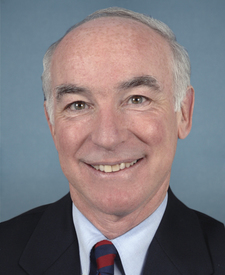
IntroducedMr. Courtney (for himself, Mr. Swalwell, Mr. Evans, Mr. Takano, …
Stakeholder Effects
cui bono?How this legislation distributes effects. Mention counts reflect frequency, not effect magnitude.
Current federal student loan borrowers, Federal student loan borrowers, Higher-income student borrowers (over 600% AMI)
Positive-direction: Current federal student loan borrowers, Federal student loan borrowers, Higher-income student borrowers (over 600% AMI), Low-income college students, Low-income student borrowers (under 400% AMI), Middle-income student borrowers (400-600% AMI), Pell Grant recipients, Private student loan borrowers, Student loan borrowers seeking quick implementation, Students seeking larger loans
Negative-direction: Holders of private student loans (Sallie Mae, Navient, etc.), Private student lenders
Department of Education, Department of Education Inspector General, Department of Education loan programs
Department of Education faces effects in multiple directions
Positive-direction: Department of Education loan programs, Education Affordability Trust Fund
Negative-direction: Department of Education Inspector General, Federal government (lost interest revenue), Federal student loan program (increased exposure)
Department of Education loan servicers, Financial investment professionals, US government bond market
Positive-direction: Financial investment professionals, US government bond market
Negative-direction: Department of Education loan servicers
Higher education institutions, Higher education institutions enrolling low-income students, Higher education stakeholders typically involved in negotiated rulemaking
Positive-direction: Higher education institutions, Higher education institutions enrolling low-income students
Negative-direction: Higher education stakeholders typically involved in negotiated rulemaking
Bill Structure & Actor Mappings
Who is "The Secretary" in each section?
- "the_secretary"
- → Secretary of Education
- "the_secretary"
- → Secretary of Education
- "the_board"
- → Education Affordability Trust Fund Board
- "the_secretary"
- → Secretary of Education
- "the_secretary"
- → Secretary of Education
Key Definitions
Terms defined in this bill
Private student loans eligible for refinancing into federal consolidation loans
Amount that return on investment from Trust Fund bond investments exceeds the amount repaid on loans
We use a combination of our own taxonomy and classification in addition to large language models to assess meaning and potential beneficiaries. High confidence means strong textual evidence. Always verify with the original bill text.
Learn more about our methodology