To establish the Pacific Counternarcotics Initiative to assist certain countries with counterdrug interdiction efforts.
Analysis under review: This bill has generated analysis that may be too generic or incomplete. Clause-level evidence remains available below.
Summary
What This Bill Does
The Combating Lethal Elements and Narcotics in the Pacific Act (CLEAN Pacific Act) directs the Secretary of State to establish a Pacific Counternarcotics Initiative to help 16 Pacific Island nations combat drug trafficking. The program focuses on seizing and destroying precursor chemicals used to manufacture illicit drugs, disposing of hazardous waste from drug trafficking, building law enforcement capacity, and promoting international cooperation through training and interoperable equipment.
Who Benefits and How
Pacific Island nations benefit from improved law enforcement capabilities, equipment, training, and infrastructure to combat drug trafficking and manage hazardous chemical waste. The 16 named beneficiary countries include Fiji, Papua New Guinea, Palau, the Marshall Islands, Samoa, and others. U.S. national security interests benefit from reduced drug trafficking routes through the Pacific and stronger relationships with strategically important Pacific Island nations. Local populations in these countries benefit from reduced environmental contamination from drug-related chemical waste.
Who Bears the Burden and How
The U.S. State Department bears the primary administrative burden of designing and implementing the program, including developing 5-year strategies for each country and annual progress reports to Congress. Funding comes from existing Foreign Assistance Act counternarcotics appropriations, meaning other international drug enforcement programs may see reduced funding. The Secretary of Defense and Attorney General must also coordinate on implementation.
Key Provisions
- Creates the Pacific Counternarcotics Initiative under the Secretary of State
- Requires a 90-day implementation plan with 5-year country strategies and measurable benchmarks
- Mandates annual progress reports to Congress for 5 years
- Names 16 Pacific Island beneficiary countries, with the Secretary able to add or remove countries with Congressional notification
- Funds the program from existing Foreign Assistance Act Section 481 counternarcotics appropriations
- Addresses both law enforcement capacity building and environmental cleanup of drug-related hazardous waste
Evidence Chain:
This summary is generated from the full bill text using AI analysis. Expand "Detailed Analysis" below for identified beneficiaries/burden bearers with clause-level evidence links.
At a Glance
What This Bill Does
Establishes the Pacific Counternarcotics Initiative, a U.S. foreign assistance program to help 16 Pacific Island nations seize, destroy, and manage precursor chemicals used in illicit drug manufacturing, while building law enforcement capacity in the region.
Key Policy Areas
Foreign Policy, Drug Enforcement, Environment
Primary Purpose
Establishes the Pacific Counternarcotics Initiative, a U.S. foreign assistance program to help 16 Pacific Island nations seize, destroy, and manage precursor chemicals used in illicit drug manufacturing, while building law enforcement capacity in the region.
Policy Domains
Whole Bill
Identified Gains
- Pacific Island nations (law enforcement capacity and environmental cleanup)
- U.S. national security interests (reduced Pacific drug trafficking routes)
- Pacific Island populations (reduced chemical contamination)
Identified Costs
- U.S. State Department (program design and administration)
- Existing counternarcotics programs (redirected funding)
- Secretary of Defense and Attorney General (coordination requirements)
Sponsors
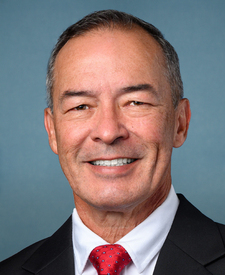
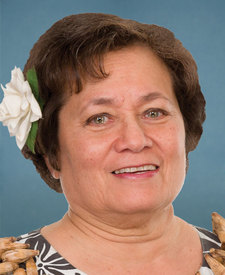
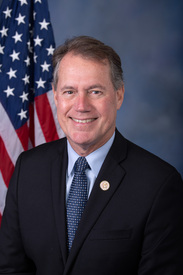

Legislative Progress
IntroducedMr. Moylan (for himself, Mr. Case, Mrs. Radewagen, and Ms. …
Impact analysis is available but no clear stakeholder effects identified. View clause-level analysis →
Bill Structure & Actor Mappings
Who is "The Secretary" in each section?
- "the_secretary"
- → Secretary of State (in consultation with Secretary of Defense and Attorney General)
- "relevant_secretary"
- → Secretary of State, Secretary of Defense, and the Attorney General
Key Definitions
Terms defined in this bill
As defined in section 102 of the Controlled Substances Act (21 U.S.C. 802) -- precursor chemicals used in illicit drug manufacturing.
16 Pacific Island nations: Cook Islands, Federated States of Micronesia, Fiji, French Polynesia, Kiribati, Nauru, New Caledonia, Niue, Palau, Papua New Guinea, Marshall Islands, Samoa, Solomon Islands, Tonga, Tuvalu, and Vanuatu. The Secretary may add or remove countries with Congressional notification.
Communications, data sharing, and operational equipment enabling seamless coordination between beneficiary countries and United States law enforcement agencies.
We use a combination of our own taxonomy and classification in addition to large language models to assess meaning and potential beneficiaries. High confidence means strong textual evidence. Always verify with the original bill text.
Learn more about our methodology