Time Off to Vote Act
Summary
What This Bill Does
The Time Off to Vote Act creates a federal paid voting leave right for employees of employers with at least 25 employees engaged in commerce. On request, an employee must receive at least two consecutive hours of paid leave while polls or voting sites are open on federal election day to vote, return a mail ballot in person, or perform another voting-related activity. Employers may choose the hours, including during an early voting period when state law allows, but cannot count lunch or other existing breaks as the leave. The bill bars interference, denial, discharge, and retaliation, preserves accrued benefits, gives the Labor Department FMLA-style investigative authority, and authorizes civil penalties up to $10,000 per violation.
Who Benefits and How
Employees at covered employers benefit because they receive paid time to vote or return a mail ballot in person. Voters with inflexible schedules benefit because the leave right reduces the job-loss or wage-loss risk of voting during work hours. Election participation advocates benefit from a national floor that does not displace more generous state or local voting leave laws. Hourly workers benefit because lunch and existing breaks cannot be substituted for the required two-hour leave.
Who Bears the Burden and How
Covered employers must provide paid leave, preserve benefits, schedule leave windows, and avoid retaliation. Small business managers near the 25-employee threshold must track coverage and staffing on federal election days. Department of Labor investigators must enforce interference and retaliation prohibitions. Federal courts and Labor Department adjudicators may handle disputes over violations and civil penalties.
Key Provisions
- Requires employers with at least 25 employees to provide two consecutive hours of paid voting leave.
- Bars employers from counting lunch or other existing breaks as voting leave.
- Prohibits interference, discharge, discrimination, and retaliation tied to voting leave rights.
- Authorizes Labor Department investigations and civil penalties up to $10,000 per violation.
- Protects more generous state and local voting leave laws from preemption.
Evidence Chain:
This summary is generated from the full bill text using AI analysis. Expand "Detailed Analysis" below for identified beneficiaries/burden bearers with clause-level evidence links.
At a Glance
What This Bill Does
Requires covered employers to provide at least two consecutive hours of paid leave for federal election voting activity and creates Labor Department enforcement penalties.
Key Policy Areas
Labor, Voting Rights, Elections
Primary Purpose
Requires covered employers to provide at least two consecutive hours of paid leave for federal election voting activity and creates Labor Department enforcement penalties.
Policy Domains
Resolution provisions
Identified Gains
- Employees at covered employers
- Voters with inflexible schedules
- Election participation advocates
- Hourly workers
Identified Costs
- Covered employers
- Small business managers
- Department of Labor investigators
- Labor Department adjudicators
Sponsors
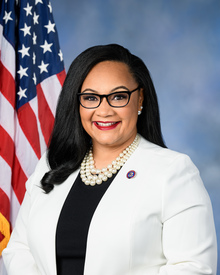
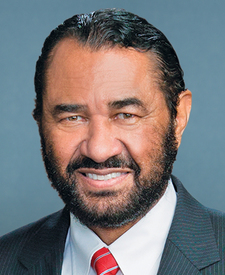
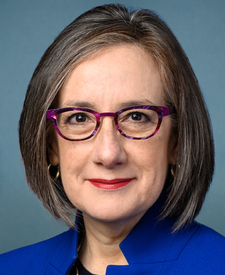
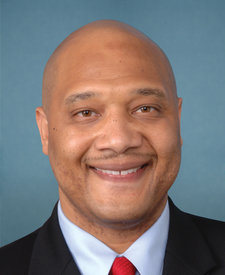

Legislative Progress
In CommitteeMs. Williams of Georgia (for herself, Ms. Ansari, Ms. Brown, …
Referred to the House Committee on Education and Workforce.
Introduced in House
Stakeholder Effects
cui bono?How this legislation distributes effects. Mention counts reflect frequency, not effect magnitude.
Bill Structure & Actor Mappings
Who is "The Secretary" in each section?
We use a combination of our own taxonomy and classification in addition to large language models to assess meaning and potential beneficiaries. High confidence means strong textual evidence. Always verify with the original bill text.
Learn more about our methodology