To amend chapter 131 of title 5, United States Code, to prevent Members of Congress and their spouses and dependent children from trading stocks and owning stocks, and for other purposes.
Analysis under review: This bill has generated analysis that may be too generic or incomplete. Clause-level evidence remains available below.
Summary
The ETHICS Act (Ending Trading and Holdings in Congressional Stocks) would ban members of Congress, their spouses, and dependent children from buying, selling, or holding individual stocks and similar investments. Members would have to either sell their investments or put them in a qualified blind trust (where an independent trustee manages the assets without the member knowing what is in the portfolio). The bill also increases fines for failing to report financial transactions from the current minimal levels to dollar500 per violation, requires electronic filing of all financial disclosures through public databases, and mandates that these records be searchable online. The goal is to prevent members of Congress from profiting from insider knowledge they gain through their official duties, addressing growing public concern that some lawmakers trade stocks based on non-public information they receive in briefings and committee hearings.
Evidence Chain:
This summary is generated from the full bill text using AI analysis. Expand "Detailed Analysis" below for identified beneficiaries/burden bearers.
At a Glance
What This Bill Does
Prohibits Members of Congress and their spouses and dependent children from trading individual stocks and other covered investments, requiring divestiture or placement in qualified blind trusts, and strengthens financial disclosure requirements and penalties.
Who Benefits
- General public (increased trust in Congress)
- Blind trust administrators and financial advisors
- Government transparency advocates
Who Bears Costs
- Members of Congress
- Spouses and dependents of Members
- Congressional ethics offices
Key Policy Areas
Congressional Ethics, Financial Regulation, Government Transparency
Primary Purpose
Prohibits Members of Congress and their spouses and dependent children from trading individual stocks and other covered investments, requiring divestiture or placement in qualified blind trusts, and strengthens financial disclosure requirements and penalties.
Policy Domains
Legislative Strategy
"Anti-corruption measure targeting insider trading concerns by requiring members to divest individual stock holdings or place them in blind trusts, combined with stronger penalty enforcement for disclosure failures"
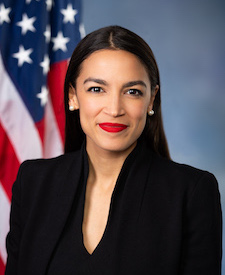
Sponsors




Legislative Progress
IntroducedMr. Krishnamoorthi (for himself, Mr. Cloud, Ms. Ocasio-Cortez, Mr. Neguse, …
Stakeholder Effects
cui bono?How this legislation distributes effects. Mention counts reflect frequency, not effect magnitude.
Congressional ethics offices, House and Senate administrative offices, Members of Congress
Positive-direction: U.S. Treasury
Negative-direction: Congressional ethics offices, House and Senate administrative offices, Members of Congress, Members of Congress who fail to report transactions, Reporting individuals under STOCK Act
Blind trust administrators and financial advisors, Qualified blind trust service providers
General public and transparency organizations, Spouses and dependent children of Members
Positive-direction: General public and transparency organizations
Negative-direction: Spouses and dependent children of Members
Brokerage firms serving congressional clients
Bill Structure & Actor Mappings
Who is "The Secretary" in each section?
- "covered_person"
- → Spouses and dependent children of Members
- "member_of_congress"
- → Sitting Members of the House and Senate
- "supervising_ethics_office"
- → House/Senate Ethics Committees
- "supervising_ethics_office"
- → House/Senate Ethics Committees
- "congress"
- → House and Senate
Key Definitions
Terms defined in this bill
We use a combination of our own taxonomy and classification in addition to large language models to assess meaning and potential beneficiaries. High confidence means strong textual evidence. Always verify with the original bill text.
Learn more about our methodology