Ethics in Energy Act of 2025
Summary
What This Bill Does
The Ethics in Energy Act targets how large utilities recover lobbying, public relations, trade-association, election, franchise, regulatory-proceeding, and other political influence costs. Covered utilities include large electric utilities, major natural gas companies transporting or storing more than 50 million dekatherms in each of the prior three years, and centralized service companies. Within 18 months, FERC must issue regulations barring recovery of covered expenses from ratepayers and must amend the Uniform System of Accounts so those costs are placed in accounts that are presumptively not recoverable. Covered utilities must file annual itemized reports showing covered expenses, outside vendors, affiliated-company transactions, billing amounts, billing dates, payees, staff salary portions, account codes, and explanations. FERC must remove a $250,000 affiliate-transaction reporting threshold, monitor compliance, order refunds, and assess penalties of at least one times, two times, or three times the covered expense depending on whether the improper charge is below $1 million, between $1 million and $10 million, or above $10 million, capped at 20 times the expense.
Who Benefits and How
Utility ratepayers benefit because political influence costs become presumptively unrecoverable in FERC proceedings instead of being embedded in rates. State consumer advocates benefit from itemized annual reports that identify payees, billing dates, staff salary portions, account codes, and explanations for covered expenses. FERC enforcement staff benefit from clearer authority to monitor violations, order refunds, and impose penalty multiples tied to the size of the improper charge. Households using regulated electric or natural gas service benefit if utilities must absorb lobbying and public relations costs rather than passing them through.
Who Bears the Burden and How
Covered electric utilities must separate political influence expenses, file detailed reports, and avoid recovery from ratepayers. Major natural gas companies must track covered expenses and face refunds plus penalties if those costs are charged to ratepayers. Centralized service companies must disclose affiliated-company political influence charges that are invoiced back to covered utilities. FERC accounting offices must rewrite Uniform System of Accounts instructions and administer the new reporting and penalty regime.
Key Provisions
- Prohibits covered utilities from recovering political influence expenses from ratepayers in FERC proceedings.
- Requires annual itemized reports covering vendors, affiliates, billing amounts, salary portions, account codes, and expense explanations.
- Removes the $250,000 reporting threshold for associated or affiliated-company transactions on covered annual forms.
- Requires FERC monitoring, refunds, and escalating penalties that can reach up to 20 times the improperly charged expense.
Evidence Chain:
This summary is generated from the full bill text using AI analysis. Expand "Detailed Analysis" below for identified beneficiaries/burden bearers with clause-level evidence links.
At a Glance
What This Bill Does
Bars covered electric utilities, major natural gas companies, and centralized service companies from charging FERC-jurisdictional ratepayers for political influence expenses, requires detailed annual expense reports, removes an affiliate-transaction reporting threshold, and creates refunds plus escalating penalties for violations.
Key Policy Areas
Energy, Utility Regulation, Campaign Finance
Primary Purpose
Bars covered electric utilities, major natural gas companies, and centralized service companies from charging FERC-jurisdictional ratepayers for political influence expenses, requires detailed annual expense reports, removes an affiliate-transaction reporting threshold, and creates refunds plus escalating penalties for violations.
Policy Domains
Resolution provisions
Identified Gains
- Utility ratepayers
- State consumer advocates
- FERC enforcement staff
- Regulated energy customers
Identified Costs
- Covered electric utilities
- Major natural gas companies
- Centralized service companies
- FERC accounting offices
Sponsors
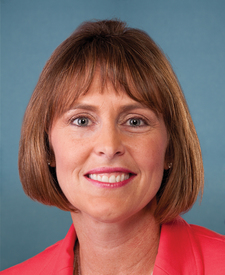

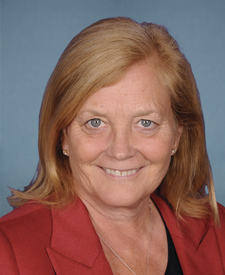


Legislative Progress
In CommitteeMs. Castor of Florida (for herself, Ms. Matsui, Ms. McClellan, …
Referred to the House Committee on Energy and Commerce.
Introduced in House
Stakeholder Effects
cui bono?How this legislation distributes effects. Mention counts reflect frequency, not effect magnitude.
Centralized service companies, Covered electric utilities
Bill Structure & Actor Mappings
Who is "The Secretary" in each section?
We use a combination of our own taxonomy and classification in addition to large language models to assess meaning and potential beneficiaries. High confidence means strong textual evidence. Always verify with the original bill text.
Learn more about our methodology