Baby Food Tax Relief Act
Summary
What This Bill Does
The Baby Food Tax Relief Act removes emergency-duty authority for listed baby feeding and seating products. The President may not impose duties under the International Emergency Economic Powers Act on baby bottles, breast pumps, highchairs, booster seats, nursing nipples, or baby formula. Existing IEEPA duties on those items must be terminated at enactment. Any substantially similar duties imposed under another authority have no force or effect. The bill does not create a nutrition program or safety standard; it targets tariff costs on infant-feeding and baby-care goods so families, retailers, importers, and child-care providers are less exposed to emergency-duty price increases.
Who Benefits and How
Parents of infants benefit if tariff removal lowers prices for formula, bottles, breast pumps, nipples, and highchairs. Breastfeeding parents benefit from lower emergency-duty exposure on breast pumps and nursing nipples. Baby food retailers benefit from reduced tariff risk on formula and related feeding products. Child-care providers benefit if highchairs, booster seats, and feeding supplies become less costly.
Who Bears the Burden and How
President loses authority to impose IEEPA duties on the listed baby feeding and seating products. Customs officials must terminate covered duties and disregard substantially similar duties. Domestic baby product manufacturers may face more price competition from imported goods. Federal tariff revenue decreases if covered duties would otherwise have applied.
Key Provisions
- Prohibits IEEPA duties on baby bottles, breast pumps, highchairs, booster seats, nursing nipples, and baby formula.
- Requires termination of existing IEEPA duties on the listed products.
- Blocks substantially similar duties imposed under other authorities.
- Protects infant feeding and baby-care goods from emergency-duty price increases.
Evidence Chain:
This summary is generated from the full bill text using AI analysis. Expand "Detailed Analysis" below for identified beneficiaries/burden bearers with clause-level evidence links.
At a Glance
What This Bill Does
Bars the President from imposing International Emergency Economic Powers Act duties on baby bottles, breast pumps, highchairs, booster seats, nursing nipples, and baby formula, requires termination of existing IEEPA duties on those items, and nullifies substantially similar duties imposed under other authorities.
Key Policy Areas
Trade, Tariffs, Consumer Goods
Primary Purpose
Bars the President from imposing International Emergency Economic Powers Act duties on baby bottles, breast pumps, highchairs, booster seats, nursing nipples, and baby formula, requires termination of existing IEEPA duties on those items, and nullifies substantially similar duties imposed under other authorities.
Policy Domains
Resolution provisions
Identified Gains
- Parents of infants
- Breastfeeding parents
- Baby food retailers
- Child-care providers
Identified Costs
- President
- Customs officials
- Domestic baby product manufacturers
- Federal taxpayers
Sponsors

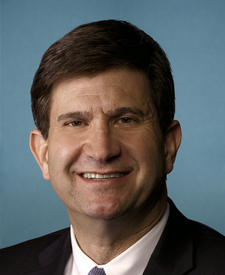
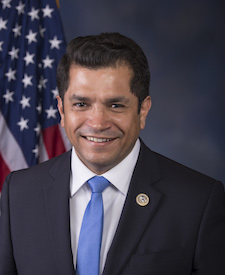
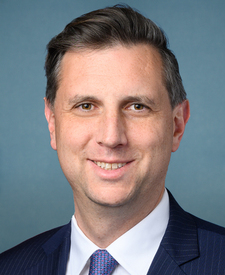

Legislative Progress
In CommitteeMr. Tran (for himself, Mr. Gomez, Mr. Horsford, Mr. Subramanyam, …
Referred to the Committee on Ways and Means, and in …
Introduced in House
Impact analysis is available but no clear stakeholder effects identified. View clause-level analysis →
Bill Structure & Actor Mappings
Who is "The Secretary" in each section?
We use a combination of our own taxonomy and classification in addition to large language models to assess meaning and potential beneficiaries. High confidence means strong textual evidence. Always verify with the original bill text.
Learn more about our methodology