To amend the Public Health Service Act to authorize the Director of the National Institutes of Health to make awards to outstanding scientists, including physician-scientists, to support researchers focusing on pediatric research, including basic, clinical, translational, or pediatric pharmacological research, and for other purposes.
Analysis under review: This bill has generated analysis that may be too generic or incomplete. Clause-level evidence remains available below.
Summary
What This Bill Does
This bill, To amend the Public Health Service Act to authorize the Director of the National Institutes of Health to make awards to outstanding scientists, including physician-scientists, to support researchers focusing on pediatric research, including basic, clinical, translational, or pediatric pharmacological research, and for other purposes., changes federal law or congressional policy affecting health care providers and patients. The main policy domain is Healthcare, Education, Social Welfare.
Who Benefits and How
health care providers and patients may benefit from new authority, funding, eligibility, regulatory clarity, or reduced risk created by the bill.
Who Bears the Burden and How
federal implementing agencies, health care providers and patients may take on implementation duties, reporting obligations, compliance costs, or oversight responsibilities.
Key Provisions
- Section H04274165C8834E0A8B09BA09EB76E8FB: 1. Short title This Act may be cited as the Pediatricians Accelerate Childhood Therapies Act of 2023.
- Section H87060072D00D4404B8173CE2D8C0FE93: 2. Trans-NIH Awards for Early-Career Pediatric Researchers Part G of title IV of the Public Health Service Act (42 U.S.C. 288 et seq.) is amended by adding at...
- Section H435369752A184FDC8EC8AF337DF42411: 489A. Trans-NIH Awards for Early-Career Pediatric Researchers The Director of the NIH shall make awards to public and nonprofit entities to support outstanding...
- Section HFE78BBFADAA1409FAF02F3EB309F9674: 3. NIH Pediatric Research Consortium Title IV of the Public Health Service is amended by inserting after section 409D (42 U.S.C. 284h) the following new...
- Section H9D6E02F438C84AA3B30B126C66D4C12E: 409D–1. NIH Pediatric Research Consortium The Director of NIH shall establish and maintain a consortium to be known as the NIH Pediatric Research Consortium...
Evidence Chain:
This summary is generated from the full bill text using AI analysis. Expand "Detailed Analysis" below for identified beneficiaries/burden bearers with clause-level evidence links.
At a Glance
What This Bill Does
This bill, To amend the Public Health Service Act to authorize the Director of the National Institutes of Health to make awards to outstanding scientists, including physician-scientists, to support researchers focusing on pediatric research, including basic, clinical, translational, or pediatric pharmacological research, and for other purposes., changes federal law or congressional policy affecting health care providers and patients.
Key Policy Areas
Healthcare, Education, Social Welfare
Primary Purpose
This bill, To amend the Public Health Service Act to authorize the Director of the National Institutes of Health to make awards to outstanding scientists, including physician-scientists, to support researchers focusing on pediatric research, including basic, clinical, translational, or pediatric pharmacological research, and for other purposes., changes federal law or congressional policy affecting health care providers and patients.
Policy Domains
Whole bill
Identified Gains
- health care providers and patients
Identified Costs
- federal implementing agencies
- health care providers and patients
Sponsors
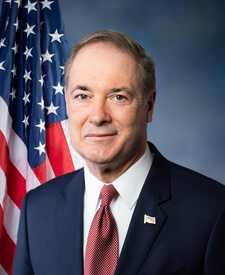
John Joyce
R-PA | Primary Sponsor
Legislative Progress
IntroducedMr. Joyce of Pennsylvania (for himself and Ms. Schrier) introduced …
Impact analysis is available but no clear stakeholder effects identified. View clause-level analysis →
Bill Structure & Actor Mappings
Who is "The Secretary" in each section?
- "federal_implementing_agencies"
- → Federal agencies assigned duties by the bill
We use a combination of our own taxonomy and classification in addition to large language models to assess meaning and potential beneficiaries. High confidence means strong textual evidence. Always verify with the original bill text.
Learn more about our methodology