Securing America’s Ports of Entry Act of 2025
Summary
What This Bill Does
The Securing America's Ports of Entry Act focuses on CBP staffing and infrastructure at ports of entry. Subject to appropriations, the CBP Commissioner must hire, train, and assign at least 1,000 new CBP officers above current attrition every fiscal year until total CBP officer staffing equals and sustains the annual Workload Staffing Model requirements. CBP may also hire support staff, including technicians and Enterprise Services mission support, for non-law-enforcement administrative functions. The Workload Staffing Model must use data on inspections and activities at each port, seasonal surges, projected commercial and passenger volume changes, current commercial forecasts, pre-COVID historical volume and forecasts, international travel impacts, and personnel needed to increase outbound inspections at land ports. If CBP misses the 1,000-officer hiring goal in fiscal year 2026 or any later year while Workload Staffing Model needs remain unmet, GAO must review CBP hiring practices and report to Senate and House homeland security, finance, and ways and means committees. Within 90 days, CBP must report on port infrastructure improvements, detection equipment for opioids, precursors, and derivatives, and safety equipment protecting officers from accidental exposure. Quarterly reports must detail temporary duty assignments, reassigned ports, reimbursable service agreements, assignment duration and cost, and support for southern border operations. CBP must give port directors 10 days notice before redeployments absent emergencies, port directors must notify affected airports, seaports, and land ports, and employees must be briefed on mitigation plans.
Who Benefits and How
CBP ports of entry benefit from annual officer hiring until Workload Staffing Model staffing needs are sustained. CBP officers benefit from staffing, safety equipment, and vulnerability mitigation around redeployments. Port directors benefit from 10-day notice before nonemergency employee redeployments. Congressional homeland security committees benefit from GAO hiring reviews, infrastructure reports, and quarterly temporary-duty data.
Who Bears the Burden and How
CBP Commissioner must hire officers, assign support staff, update staffing model inputs, report on infrastructure, and manage redeployment notices. Government Accountability Office must review CBP hiring practices if annual hiring targets are missed. Federal taxpayers fund additional CBP officers, support staff, equipment, and infrastructure if appropriated. Ports losing temporary-duty officers may need mitigation plans to handle staffing reductions.
Key Provisions
- Requires CBP to hire at least 1,000 additional officers above attrition each fiscal year until Workload Staffing Model needs are met.
- Authorizes support staff for non-law-enforcement administrative functions.
- Requires the staffing model to incorporate inspections data, seasonal surges, commercial forecasts, pre-COVID travel, and outbound land-port inspection needs.
- Requires a 90-day report on port infrastructure, opioid detection equipment, and officer safety equipment.
- Requires GAO review when hiring targets are missed and quarterly reports on temporary duty assignments and redeployments.
Evidence Chain:
This summary is generated from the full bill text using AI analysis. Expand "Detailed Analysis" below for identified beneficiaries/burden bearers with clause-level evidence links.
At a Glance
What This Bill Does
Requires CBP to hire, train, and assign at least 1,000 additional officers above attrition each fiscal year until Workload Staffing Model needs are met, authorizes support staff, requires a 90-day port infrastructure and drug-interdiction equipment report, triggers GAO review if hiring targets are missed, and creates quarterly temporary-duty and port redeployment reporting.
Key Policy Areas
Border Security, Ports of Entry, Customs Staffing
Primary Purpose
Requires CBP to hire, train, and assign at least 1,000 additional officers above attrition each fiscal year until Workload Staffing Model needs are met, authorizes support staff, requires a 90-day port infrastructure and drug-interdiction equipment report, triggers GAO review if hiring targets are missed, and creates quarterly temporary-duty and port redeployment reporting.
Policy Domains
Resolution provisions
Identified Gains
- CBP ports of entry
- CBP officers
- Port directors
- Congressional homeland security committees
Identified Costs
- CBP Commissioner
- Government Accountability Office
- Federal taxpayers
- Ports losing temporary-duty officers
Sponsors

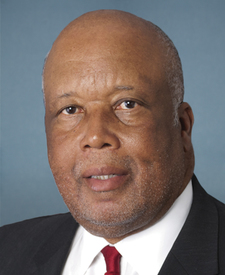
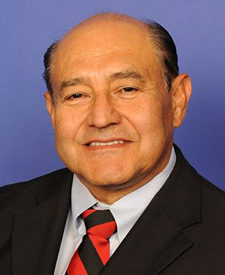
Legislative Progress
In CommitteeReferred to the Subcommittee on Border Security and Enforcement.
Mr. Kennedy of New York (for himself and Mr. Thompson …
Referred to the Committee on Homeland Security, and in addition …
Introduced in House
Stakeholder Effects
cui bono?How this legislation distributes effects. Mention counts reflect frequency, not effect magnitude.
CBP Commissioner, Government Accountability Office
Bill Structure & Actor Mappings
Who is "The Secretary" in each section?
We use a combination of our own taxonomy and classification in addition to large language models to assess meaning and potential beneficiaries. High confidence means strong textual evidence. Always verify with the original bill text.
Learn more about our methodology