To amend the Controlled Substances Act with respect to the scheduling of fentanyl-related substances, and for other purposes.
Analysis under review: This bill has generated analysis that may be too generic or incomplete. Clause-level evidence remains available below.
Summary
What This Bill Does
This bill, To amend the Controlled Substances Act with respect to the scheduling of fentanyl-related substances, and for other purposes., changes federal law or congressional policy affecting federal agencies and legislative administrators. The main policy domain is Government Operations, Trade, Criminal Justice.
Who Benefits and How
federal agencies and legislative administrators may benefit from new authority, funding, eligibility, regulatory clarity, or reduced risk created by the bill.
Who Bears the Burden and How
federal implementing agencies may take on implementation duties, reporting obligations, compliance costs, or oversight responsibilities.
Key Provisions
- Section H5A8CF7A047D9411B98F6CE872BE346C7: 1. Short title This Act may be cited as the Halt All Lethal Trafficking of Fentanyl Act or the HALT Fentanyl Act.
- Section H7FB25967C72D4C36B30CB40B20BB8722: 2. Class scheduling of fentanyl-related substances Section 202(c) of the Controlled Substances Act (21 U.S.C. 812(c)) is amended by adding at the end of...
- Section HE11DA0432FDC4808B7B2B29B5C14B6A3: 3. Registration requirements related to research Section 303 of the Controlled Substances Act (21 U.S.C. 823) is amended— by redesignating the second...
- Section H5A6E21F9665E4616A43845E0F99B872C: 4. Rulemaking The Attorney General— shall, not later than 6 months after the date of enactment of this Act, issue rules to implement this Act and the...
- Section HE1EBA402EFDF40A3A765F6C413484BF3: 5. Penalties Section 401(b)(1) of the Controlled Substances Act (21 U.S.C. 841(b)(1)) is amended— in subparagraph (A)(vi), by inserting or a fentanyl-related...
Evidence Chain:
This summary is generated from the full bill text using AI analysis. Expand "Detailed Analysis" below for identified beneficiaries/burden bearers with clause-level evidence links.
At a Glance
What This Bill Does
This bill, To amend the Controlled Substances Act with respect to the scheduling of fentanyl-related substances, and for other purposes., changes federal law or congressional policy affecting federal agencies and legislative administrators.
Key Policy Areas
Government Operations, Trade, Criminal Justice
Primary Purpose
This bill, To amend the Controlled Substances Act with respect to the scheduling of fentanyl-related substances, and for other purposes., changes federal law or congressional policy affecting federal agencies and legislative administrators.
Policy Domains
Whole bill
Identified Gains
- federal agencies and legislative administrators
Identified Costs
- federal implementing agencies
Sponsors



Legislative Progress
Passed HouseReceived; read twice and referred to the Committee on the …
Passed House (inferred from eh version)
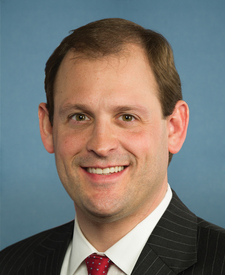
Additional sponsors: Mr. Pfluger, Mr. Armstrong, Mr. Pence, Mr. Austin …
Reported from the Committee on Energy and Commerce with an …
Committee on the Judiciary discharged; committed to the Committee of …
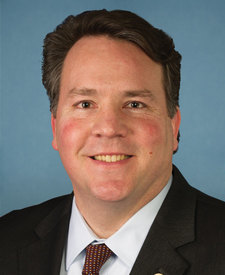
Mr. Griffith (for himself, Mr. Latta, Mrs. Rodgers of Washington, …
Stakeholder Effects
cui bono?How this legislation distributes effects. Mention counts reflect frequency, not effect magnitude.
Attorney General / DOJ, DEA, DEA registration administration
Positive-direction: DEA, Department of Defense research programs, Federal prosecutors, Law enforcement, Law enforcement agencies, Veterans Affairs research programs
Negative-direction: Attorney General / DOJ, DEA registration administration, DOJ Inspector General
Medical researchers, NIH-funded researchers
Pharmaceutical companies with fentanyl-related R&D
Drug importers and exporters, Fentanyl analog traffickers
Bill Structure & Actor Mappings
Who is "The Secretary" in each section?
- "secretary_of_health_and_human_services"
- → Secretary of Health and Human Services
We use a combination of our own taxonomy and classification in addition to large language models to assess meaning and potential beneficiaries. High confidence means strong textual evidence. Always verify with the original bill text.
Learn more about our methodology