ABLE Employment Flexibility Act
Summary
What This Bill Does
The ABLE Employment Flexibility Act lets some workers with disabilities receive employer retirement-plan value in ABLE accounts without causing employer plans to fail tax qualification rules. An applicable defined contribution employer plan may allow an eligible ABLE individual to elect that employer contributions otherwise made to the plan for a plan year be contributed instead to a qualified ABLE program under section 529A for that worker. Contributions made under the election generally are not treated as employer plan contributions, but Treasury must treat them as plan contributions for nondiscrimination and coverage tests listed in section 414(dd). The election must be available to all eligible ABLE individuals eligible for the plan, and a 401(k) plan does not fail merely because it allows the election. Eligible ABLE individuals may also direct amounts eligible for withdrawal from an automatic contribution arrangement to a qualified ABLE program. Employer ABLE contributions are treated as made by the designated beneficiary, and employers may contribute to any qualified ABLE program for which the eligible individual is the beneficiary, including matching the individual's ABLE contribution. Treasury must amend section 162 regulations within one year to confirm deductibility as reasonable compensation when annual ABLE contribution limits are respected, update employer publications for automatic-enrollment plans, and issue model plan amendments. Contributions under the new rules are disregarded, including as income, when determining federal benefit eligibility or amounts.
Who Benefits and How
Working ABLE account beneficiaries benefit from receiving employer contribution value in ABLE accounts instead of only retirement plans. Employees with disabilities in automatic enrollment plans benefit from an option to redirect eligible withdrawals to ABLE accounts. Employers sponsoring defined contribution plans benefit from model amendments and tax rules allowing ABLE contribution options. State qualified ABLE programs benefit from potential additional employer and employee contributions.
Who Bears the Burden and How
Treasury must issue regulations, employer publications, and model plan amendments for the ABLE contribution rules. Retirement plan administrators must administer ABLE elections, nondiscrimination treatment, and plan amendments. Employers offering the option must make it available to all eligible ABLE individuals who are eligible for the plan. Federal benefit agencies must disregard qualifying ABLE contributions when determining benefit eligibility and amounts.
Key Provisions
- Authorizes defined contribution plans to redirect employer contributions to qualified ABLE programs for eligible ABLE individuals.
- Allows eligible ABLE individuals to direct automatic-enrollment withdrawals into qualified ABLE programs.
- Treats employer ABLE contributions as beneficiary contributions for section 529A purposes.
- Requires Treasury regulations, employer publication updates, and model plan amendments.
- Provides that qualifying ABLE contributions are disregarded for federal benefit eligibility and benefit amounts.
Evidence Chain:
This summary is generated from the full bill text using AI analysis. Expand "Detailed Analysis" below for identified beneficiaries/burden bearers with clause-level evidence links.
At a Glance
What This Bill Does
Lets eligible ABLE individuals redirect defined-contribution employer retirement contributions and eligible automatic-enrollment withdrawals into qualified ABLE programs, treats employer ABLE contributions as beneficiary contributions, requires Treasury regulations and model plan amendments, and disregards such ABLE contributions for federal benefit eligibility and benefit amounts.
Key Policy Areas
ABLE Accounts, Retirement Plans, Disability Benefits
Primary Purpose
Lets eligible ABLE individuals redirect defined-contribution employer retirement contributions and eligible automatic-enrollment withdrawals into qualified ABLE programs, treats employer ABLE contributions as beneficiary contributions, requires Treasury regulations and model plan amendments, and disregards such ABLE contributions for federal benefit eligibility and benefit amounts.
Policy Domains
Resolution provisions
Identified Gains
- Working ABLE account beneficiaries
- Employees with disabilities in automatic enrollment plans
- Employers sponsoring defined contribution plans
- State qualified ABLE programs
Identified Costs
- Treasury Department
- Retirement plan administrators
- Employers offering the ABLE option
- Federal benefit agencies
Sponsors


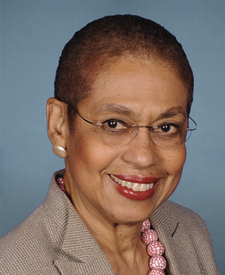


Legislative Progress
In CommitteeMs. Davids of Kansas (for herself and Mr. Fitzpatrick) introduced …
Referred to the House Committee on Ways and Means.
Introduced in House
Stakeholder Effects
cui bono?How this legislation distributes effects. Mention counts reflect frequency, not effect magnitude.
Employees with disabilities in automatic enrollment plans
Bill Structure & Actor Mappings
Who is "The Secretary" in each section?
We use a combination of our own taxonomy and classification in addition to large language models to assess meaning and potential beneficiaries. High confidence means strong textual evidence. Always verify with the original bill text.
Learn more about our methodology