SEEK HELP Act
Summary
What This Bill Does
The SEEK HELP Act combines overdose-response immunity, grant-supported awareness, and evaluation. It defines opioid overdose reversal drugs as FDA-approved drugs that reverse opioid overdose effects and defines seeking medical assistance to include reporting an overdose to law enforcement, emergency responders, 911, poison control, or medical or drug-treatment providers, or helping someone else report. Individuals who administer an opioid overdose reversal drug in good faith are protected from civil liability in federal or state court for resulting harm, except for willful or criminal misconduct, gross negligence, reckless misconduct, or conscious, flagrant indifference. Covered individuals who timely seek help for themselves or another overdose victim are protected from prosecution, civil asset forfeiture, or supervised-release revocation under Controlled Substances Act section 404 for possession discovered solely because they sought help, unless the help was sought during execution of an arrest warrant, search warrant, or other lawful search or seizure. States receiving Public Health Service Act section 1921 substance-abuse prevention and treatment block grants may use funds for Good Samaritan law awareness campaigns, training for criminal justice professionals, health care providers, emergency medical services providers, and the public, and data sharing with HHS. GAO must report within two years on implementation, effects on reporting and timely assistance, overdose deaths, emergency visits, naloxone use, grant-funded outreach, barriers, and best practices.
Who Benefits and How
People witnessing overdoses benefit from reduced civil liability when they administer naloxone or another opioid overdose reversal drug in good faith. People experiencing overdoses benefit if witnesses are less afraid to call 911, poison control, law enforcement, or treatment providers. State substance-abuse agencies benefit from authority to use block grant funds for overdose Good Samaritan awareness and training. Emergency medical services providers benefit from public training and awareness that encourages earlier overdose calls.
Who Bears the Burden and How
Federal prosecutors lose some section 404 possession leverage when possession is discovered solely because a covered individual sought medical assistance. State prosecutors must account for the federal Good Samaritan possession shield where it applies. States using block grant funds must conduct campaigns, train stakeholders, and share impact data with HHS where possible. GAO must conduct a two-year evaluation covering law implementation, grant effectiveness, overdose outcomes, barriers, and best practices.
Key Provisions
- Protects good-faith administration of opioid overdose reversal drugs from civil liability except for serious misconduct.
- Bars prosecution, civil asset forfeiture, or supervised-release revocation for certain possession discovered solely because a covered person sought medical assistance.
- Authorizes substance-abuse block grant funds for overdose Good Samaritan awareness campaigns and training.
- Requires states to share data with HHS on overdose assistance calls and Good Samaritan law impact where possible.
- Requires GAO to report within two years on implementation, effectiveness, overdose outcomes, barriers, and best practices.
Evidence Chain:
This summary is generated from the full bill text using AI analysis. Expand "Detailed Analysis" below for identified beneficiaries/burden bearers with clause-level evidence links.
At a Glance
What This Bill Does
Creates federal Good Samaritan protections for good-faith opioid overdose reversal and controlled-substance possession discovered only because someone sought medical help, lets states use substance-abuse block grant funds for awareness and training, and requires a two-year GAO report on implementation and effectiveness.
Key Policy Areas
Opioids, Public Health, Criminal Justice
Primary Purpose
Creates federal Good Samaritan protections for good-faith opioid overdose reversal and controlled-substance possession discovered only because someone sought medical help, lets states use substance-abuse block grant funds for awareness and training, and requires a two-year GAO report on implementation and effectiveness.
Policy Domains
Resolution provisions
Identified Gains
- People witnessing overdoses
- People experiencing overdoses
- State substance-abuse agencies
- Emergency medical services providers
Identified Costs
- Federal prosecutors
- State prosecutors
- States using block grant funds
- Government Accountability Office
Sponsors
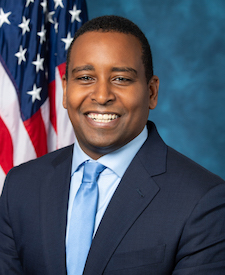
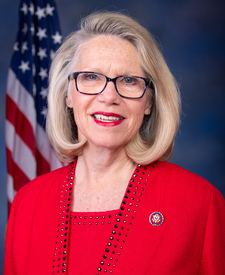
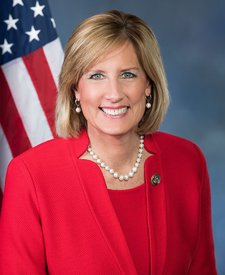

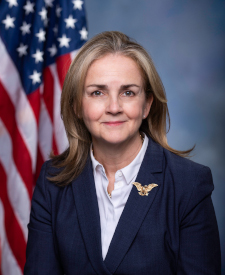
Legislative Progress
In CommitteeMr. Neguse (for himself, Mrs. Miller of West Virginia, Ms. …
Referred to the Committee on the Judiciary, and in addition …
Introduced in House
Stakeholder Effects
cui bono?How this legislation distributes effects. Mention counts reflect frequency, not effect magnitude.
People experiencing overdoses, People witnessing overdoses
Bill Structure & Actor Mappings
Who is "The Secretary" in each section?
We use a combination of our own taxonomy and classification in addition to large language models to assess meaning and potential beneficiaries. High confidence means strong textual evidence. Always verify with the original bill text.
Learn more about our methodology