To provide protections from prosecution for drug possession to individuals who seek medical assistance when witnessing or experiencing an overdose, and for other purposes.
Sponsors
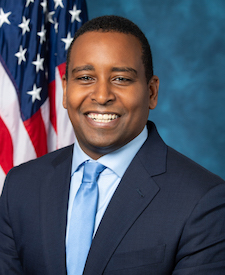
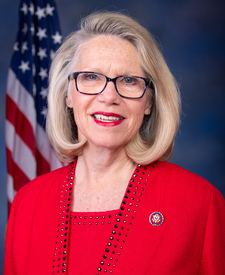
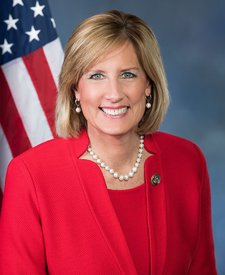
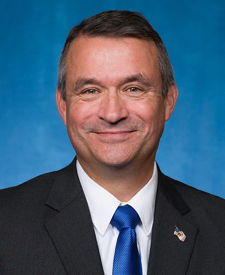
Legislative Progress
IntroducedMr. Neguse (for himself, Mrs. Miller of West Virginia, Ms. …
Summary
What This Bill Does
The SEEK Help Act (Saving Everyone Endangered by Knowing When to HELP Act) creates federal protections for people who call for help during a drug overdose. The bill shields individuals from prosecution for drug possession if they seek medical assistance for themselves or someone else experiencing an overdose. It also protects Good Samaritans from civil liability when they administer overdose reversal drugs like naloxone.
Who Benefits and How
Individuals experiencing or witnessing drug overdoses benefit significantly by gaining legal protection when they call 911 or seek medical help, removing the fear of arrest for drug possession that often prevents people from reporting overdoses. Emergency responders and healthcare providers benefit from more timely overdose reports, which can save lives. State governments gain access to existing block grant funding that can now be used for public awareness campaigns about these protections.
Who Bears the Burden and How
The Department of Health and Human Services and the Drug Enforcement Administration must develop and run a public awareness campaign about these protections. The Government Accountability Office must conduct a comprehensive study within 2 years evaluating how states implement Good Samaritan laws and how effective the awareness campaigns are. Federal and state agencies must cooperate and share data for this evaluation.
Key Provisions
- Protects individuals from federal prosecution for drug possession when they call for medical help during an overdose
- Shields Good Samaritans from civil liability when administering overdose reversal drugs like naloxone in good faith
- Authorizes states to use existing substance abuse block grant funding for public awareness campaigns about these protections
- Requires law enforcement training programs on these legal protections through the Omnibus Crime Control and Safe Streets Act
- Mandates a GAO report within 2 years to evaluate the effectiveness of Good Samaritan laws and related awareness campaigns
Evidence Chain:
This summary is derived from the structured analysis below. See "Detailed Analysis" for per-title beneficiaries/burden bearers with clause-level evidence links.
Primary Purpose
The bill aims to provide legal protections for individuals seeking medical assistance during or after a drug overdose, encouraging timely reporting of overdoses and the provision of emergency care.
Policy Domains
Bill Structure & Actor Mappings
Who is "The Secretary" in each section?
- "the_secretary"
- → Secretary of Health and Human Services (HHS)
- "the_administrator"
- → Administrator of the Drug Enforcement Administration (DEA)
Key Definitions
Terms defined in this bill
An individual who seeks medical assistance for themselves or another experiencing/appearing to experience a drug overdose, excluding those acting in the course of executing an arrest warrant, search warrant, or other lawful search/seizure.
Reporting a drug overdose or other emergency to law enforcement, emergency response providers, 9-1-1 system, poison control center, or medical/drug treatment provider; or assisting another individual making such a report.
A statute providing protection from liability relating to seeking medical assistance in connection with a controlled substance overdose or administering an opioid overdose reversal drug.
We use a combination of our own taxonomy and classification in addition to large language models to assess meaning and potential beneficiaries. High confidence means strong textual evidence. Always verify with the original bill text.
Learn more about our methodology