Protecting America’s Treasures by Raising Inflow from Overseas Tourists (PATRIOT) Parks Act
Summary
What This Bill Does
The PATRIOT Parks Act amends the Federal Lands Recreation Enhancement Act to create a new international visitor surcharge. An international visitor is a nonimmigrant admitted under the B visitor category or the Visa Waiver Program. For National Park System units that charge entrance fees, the Interior Secretary may authorize a superintendent to establish a surcharge, and must do so on a superintendent's request, except for specified exceptions. The superintendent sets the amount by regulation and must maximize revenue while retaining international visitation. For per-vehicle entrance fees, Interior must create a process to proportionately levy and collect the surcharge from international visitors. Collection may use ordinary entrance-fee methods or third-party travel vendors. The Secretary may suspend, modify, or tier the surcharge based on visitation and may set minimum percentage increases. The surcharge is separate from immigrant visa fees and is not administered by State or Homeland Security. Proceeds from a unit surcharge stay with the collecting National Park System unit for maintenance, visitor services, staffing, and related needs. The bill bars the surcharge at the Washington Monument and creates an exception for nationals of a foreign country entering an International Peace Park that has a congressional designation and management memorandum with that country. It also requires a surcharge on National Parks and Federal Recreational Lands Passes sold to international visitors, with those proceeds deposited in the National Parks and Public Land Legacy Restoration Fund.
Who Benefits and How
National Park System units benefit from surcharge proceeds retained locally for maintenance, visitor services, staffing, and related needs. Park superintendents benefit from authority to request or set international-visitor surcharge amounts by regulation. National Parks and Public Land Legacy Restoration Fund beneficiaries benefit from surcharges on federal recreational lands passes sold to international visitors. Domestic park visitors benefit if international-visitor fees reduce pressure on ordinary appropriations or improve park services.
Who Bears the Burden and How
International visitors using B visas or the Visa Waiver Program may pay added entrance or pass surcharges. Interior Department fee administrators must write regulations, collect surcharges, manage per-vehicle allocation, and distribute proceeds. Third-party travel vendors may need to collect surcharge amounts under agreements with the Secretary. Park superintendents must calibrate surcharge amounts to maximize revenue without reducing international visitation too much.
Key Provisions
- Authorizes international-visitor surcharges at National Park System units that charge entrance fees.
- Requires surcharge amounts to maximize unit revenue while retaining international visitation.
- Provides proportional collection rules for per-vehicle entrance fees.
- Directs unit surcharge proceeds to the collecting park for maintenance, visitor services, staffing, and related needs.
- Requires international-visitor pass surcharge proceeds to be deposited in the Legacy Restoration Fund.
- Exempts the Washington Monument and certain International Peace Park entries by nationals of partner countries.
Evidence Chain:
This summary is generated from the full bill text using AI analysis. Expand "Detailed Analysis" below for identified beneficiaries/burden bearers with clause-level evidence links.
At a Glance
What This Bill Does
Authorizes National Park System units that charge entrance fees to add international-visitor surcharges, lets park superintendents set or request surcharges by regulation to maximize revenue while retaining visitation, keeps unit surcharge proceeds at the collecting park for maintenance and services, and sends international-visitor pass surcharges to the Legacy Restoration Fund.
Key Policy Areas
National Parks, Tourism, User Fees
Primary Purpose
Authorizes National Park System units that charge entrance fees to add international-visitor surcharges, lets park superintendents set or request surcharges by regulation to maximize revenue while retaining visitation, keeps unit surcharge proceeds at the collecting park for maintenance and services, and sends international-visitor pass surcharges to the Legacy Restoration Fund.
Policy Domains
Resolution provisions
Identified Gains
- National Park System units
- Park superintendents
- Legacy Restoration Fund beneficiaries
- Domestic park visitors
Identified Costs
- International visitors
- Interior Department fee administrators
- Third-party travel vendors
- Park superintendents setting fees
Sponsors


Legislative Progress
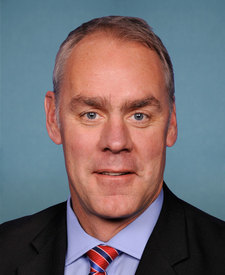
In CommitteeMr. Moore of West Virginia (for himself and Mr. Zinke) …
Referred to the Committee on Natural Resources, and in addition …
Introduced in House
Stakeholder Effects
cui bono?How this legislation distributes effects. Mention counts reflect frequency, not effect magnitude.
Legacy Restoration Fund beneficiaries, National Park System units, Park superintendents
Bill Structure & Actor Mappings
Who is "The Secretary" in each section?
We use a combination of our own taxonomy and classification in addition to large language models to assess meaning and potential beneficiaries. High confidence means strong textual evidence. Always verify with the original bill text.
Learn more about our methodology