Export Controls Enforcement Act
Summary
What This Bill Does
This bill responds to Congress's finding that the Bureau of Industry and Security relies on end-use checks to verify that controlled exports comply with license requirements and the Export Administration Regulations. The findings note that BIS processed more than 45,000 license applications valued above $500 billion in 2024, conducted more than 1,400 end-use checks in 60 countries in fiscal year 2024, and had only 11 export control officers in foreign regions as of 2025.
The bill requires the Commerce Secretary, acting through the Under Secretary for Industry and Security, to establish a five-year Export Control Officer Program within 90 days and station at least 20 export control officers at U.S. diplomatic or consular posts. A Commerce director must lead the program, oversee hiring, and coordinate with the Secretary of State to station officers with worldwide regional coverage. Officers must manage and conduct end-use checks, advise diplomatic posts on export controls, perform industry outreach, liaise with foreign governments, share information, and improve enforcement coordination.
Who Benefits and How
BIS enforcement staff benefit from more overseas officers to conduct end-use checks and reduce gaps in country coverage. U.S. diplomatic and consular posts benefit from export-control expertise on site. U.S. exporters of controlled items benefit from clearer outreach and compliance guidance, even though checks may increase. U.S. national-security agencies benefit from stronger detection of diversion to unauthorized users. Foreign government export-control partners benefit from more direct liaison with BIS officers.
Who Bears the Burden and How
Companies subject to U.S. export controls may face more end-use checks and follow-up compliance inquiries. Foreign buyers of controlled U.S. items face greater scrutiny when officers verify end use. Commerce Department staffing offices must hire or assign at least 20 officers and a program director. State Department post managers must coordinate diplomatic or consular placements. BIS officers must conduct checks, outreach, liaison work, information sharing, and regional coverage for the five-year program.
Key Provisions
- Establishes a five-year Export Control Officer Program within 90 days.
- Requires at least 20 export control officers at U.S. diplomatic or consular posts.
- Requires Commerce to appoint a director from Department of Commerce full-time employees.
- Directs officers to manage and conduct end-use checks for controlled items.
- Requires industry outreach, diplomatic-post advice, foreign-government liaison work, and information sharing.
Evidence Chain:
This summary is generated from the full bill text using AI analysis. Expand "Detailed Analysis" below for identified beneficiaries/burden bearers with clause-level evidence links.
At a Glance
What This Bill Does
Creates a five-year Commerce Department Export Control Officer Program with at least 20 officers stationed at U.S. diplomatic or consular posts, led by a Commerce director, to improve BIS end-use checks, industry outreach, foreign-government liaison work, and enforcement of export-control rules.
Key Policy Areas
Export Controls, National Security, Trade Compliance, Commerce
Primary Purpose
Creates a five-year Commerce Department Export Control Officer Program with at least 20 officers stationed at U.S. diplomatic or consular posts, led by a Commerce director, to improve BIS end-use checks, industry outreach, foreign-government liaison work, and enforcement of export-control rules.
Policy Domains
House resolution provisions
Identified Gains
- BIS enforcement staff
- U.S. diplomatic posts
- U.S. consular posts
- U.S. exporters of controlled items
- U.S. national-security agencies
- Foreign government export-control partners
Identified Costs
- Companies subject to U.S. export controls
- Foreign buyers of controlled U.S. items
- Commerce Department staffing offices
- State Department post managers
- BIS export control officers
Sponsors

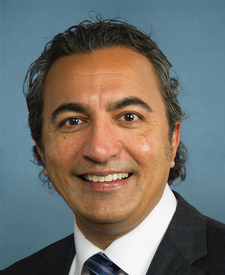
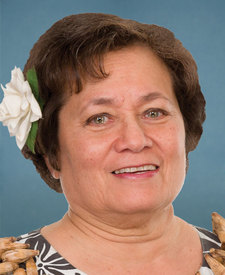
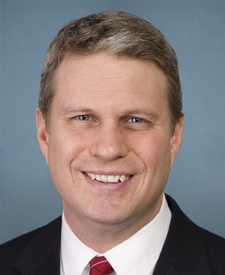
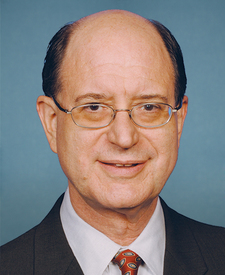
Legislative Progress
ReportedOrdered to be Reported in the Nature of a Substitute …
Committee Consideration and Mark-up Session Held
Ms. Kamlager-Dove (for herself, Mr. Huizenga, Mr. Meeks, and Mr. …
Referred to the House Committee on Foreign Affairs.
Introduced in House
Stakeholder Effects
cui bono?How this legislation distributes effects. Mention counts reflect frequency, not effect magnitude.
Companies exporting controlled items from the US, Companies subject to US export controls
Bill Structure & Actor Mappings
Who is "The Secretary" in each section?
- "bis"
- → Bureau of Industry and Security
- "commerce"
- → Department of Commerce
We use a combination of our own taxonomy and classification in addition to large language models to assess meaning and potential beneficiaries. High confidence means strong textual evidence. Always verify with the original bill text.
Learn more about our methodology