Unemployment Insurance Modernization and Recession Readiness Act
Summary
What This Bill Does
The Unemployment Insurance Modernization and Recession Readiness Act is a broad rewrite of federal unemployment standards. It makes extended compensation 100 percent federally funded, replaces older trigger formulas with total-unemployment-rate triggers at 5.5 percent, and creates higher tiers at 6.5, 7.5, and 8.5 percent that can raise extended benefits to 26, 39, or 52 weeks. It improves account calculations by using the greatest rather than least measure, lets workers keep remaining extended-benefit balances for up to six months after a state turns off, coordinates extended and regular compensation when a new benefit year would pay at least $25 less, makes extended benefits portable, and exempts extended-benefit payments from sequestration. For regular state programs, it requires at least 26 weeks of benefits, a weekly benefit formula based on at least 75 percent of high-quarter earnings divided by 13, a maximum weekly benefit of at least two-thirds of the state average weekly wage, part-time eligibility, alternate base periods, expanded good-cause separations including violence or harassment, no waiting week, temporary-assignment protections, self-employment and short-time compensation programs, minimum prior earnings thresholds of $1,000 in the high quarter and $1,500 in the base period, an ABC-style employee-status test, student-worker eligibility, dependent allowances starting at $25 per dependent per week in 2027, labor-dispute protections, retroactive payments for certain education employees, emergency enhanced compensation during public health emergencies and Stafford Act disasters, and a new jobseeker allowance for eligible unemployed or partially employed people who do not qualify for regular unemployment.
Who Benefits and How
Unemployed workers benefit from stronger extended benefits, higher national benefit floors, no waiting week, portability, and broader eligibility. Part-time workers benefit because states could not deny benefits solely because they seek at least 20 hours of work or half their base-period hours. Workers leaving jobs for good cause benefit from expanded eligibility for domestic violence, sexual assault, harassment, caregiving, transportation, illness, safety, and schedule-related separations. Workers with dependents benefit from a new dependent allowance beginning at $25 per dependent per week in 2027 and indexed afterward. Jobseekers outside regular unemployment eligibility benefit from a new federally standardized weekly jobseeker allowance. States benefit from 100 percent federal funding for extended benefits and emergency enhanced compensation, including administrative expenses.
Who Bears the Burden and How
State unemployment agencies must change eligibility systems, benefit formulas, triggers, employer charging rules, jobseeker allowances, dependent allowances, and reporting. The Department of Labor must determine unemployment triggers, issue regulations, certify state payments, and administer emergency and jobseeker-allowance standards. Employers may face broader unemployment eligibility, stricter employee-status tests, expanded labor-dispute eligibility, and reduced ability to rely on waiting weeks or narrow separations. Federal taxpayers bear higher costs from full federal extended-benefit funding, longer high-unemployment tiers, emergency enhanced compensation, administrative reimbursements, and jobseeker allowances. State legislatures must amend statutes, regulations, or policies by January 1, 2027 or earlier compliance dates.
Key Provisions
- Provides 100 percent federal funding for extended compensation and bars employer charges for those benefits.
- Establishes 5.5 percent total-unemployment-rate triggers and 6.5, 7.5, and 8.5 percent high-unemployment tiers that can raise extended benefits to 26, 39, or 52 weeks.
- Requires regular unemployment programs to provide at least 26 weeks, at least 75 percent high-quarter wage replacement divided by 13, and maximum weekly benefits of at least two-thirds of the state average weekly wage.
- Expands eligibility for part-time workers, alternate base periods, good-cause separations, qualifying acts of violence or harassment, temporary assignments, student-workers, labor disputes, and educational employees.
- Creates dependent allowances starting at $25 per dependent per week in 2027, emergency enhanced compensation replacing 100 percent of high-quarter wages during public health emergencies or Stafford Act disasters, and a jobseeker allowance.
- Requires states to comply for weeks of unemployment beginning January 1, 2027 unless they adopt changes earlier.
Evidence Chain:
This summary is generated from the full bill text using AI analysis. Expand "Detailed Analysis" below for identified beneficiaries/burden bearers with clause-level evidence links.
At a Glance
What This Bill Does
Modernizes unemployment insurance by fully federally funding extended benefits, strengthening recession triggers, setting national benefit floors, expanding eligibility, creating emergency enhanced compensation, and adding a jobseeker allowance.
Key Policy Areas
Unemployment Insurance, Labor, Recession Response
Primary Purpose
Modernizes unemployment insurance by fully federally funding extended benefits, strengthening recession triggers, setting national benefit floors, expanding eligibility, creating emergency enhanced compensation, and adding a jobseeker allowance.
Policy Domains
Resolution provisions
Identified Gains
- Unemployed workers
- Part-time workers
- Workers leaving jobs for good cause
- Workers with dependents
- Jobseekers outside regular unemployment eligibility
- States administering unemployment insurance
Identified Costs
- State unemployment agencies
- Department of Labor
- Employers
- Federal taxpayers
- State legislatures
Legislative Progress
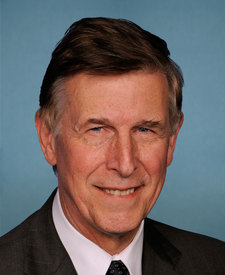
In CommitteeMr. Beyer introduced the following bill; which was referred to …
Referred to the Committee on Ways and Means, and in …
Introduced in House
Stakeholder Effects
cui bono?How this legislation distributes effects. Mention counts reflect frequency, not effect magnitude.
Part-time workers, Unemployed workers, Workers with dependents
Department of Labor, State unemployment agencies
States administering unemployment insurance
Bill Structure & Actor Mappings
Who is "The Secretary" in each section?
We use a combination of our own taxonomy and classification in addition to large language models to assess meaning and potential beneficiaries. High confidence means strong textual evidence. Always verify with the original bill text.
Learn more about our methodology