To reauthorize and amend the Healthy Streets program to enhance the resilience, accessibility, and safety of the Nation’s transportation corridors by supporting strategic investments in tree canopy, shade infrastructure, and other nature-based cooling strategies along pedestrian, bicycle, and transit routes.
Analysis under review: This bill has generated analysis that may be too generic or incomplete. Clause-level evidence remains available below.
Summary
What This Bill Does
This bill extends and expands the Healthy Streets program (from the Infrastructure Investment and Jobs Act) through 2030. It focuses on deploying tree canopy, shade structures, and green infrastructure along transportation corridors to combat extreme heat, particularly in communities with low tree cover.
Who Benefits and How
- Landscaping and tree-planting companies benefit from expanded grant funding for urban forestry and green infrastructure projects.
- Transit agencies and local governments become eligible for grants to create "cool corridors" with trees, shade structures, and cooling infrastructure.
- Environmental consulting firms benefit from requirements for technical assistance, monitoring, and performance reporting.
- Underserved communities benefit from prioritization of areas with high heat vulnerability and low tree canopy.
Who Bears the Burden and How
- Grant recipients must submit annual reports on temperature reduction, resilience improvements, and public health outcomes.
- Grant recipients using tree planting must maintain trees (watering, upkeep) and ensure plantings don't obstruct traffic safety.
- Federal agencies (DOT, EPA, Energy, HUD, USDA) must coordinate program implementation.
Key Provisions
- Extends Healthy Streets program authorization from 2026 to 2030
- Expands eligible grantees to include transit agencies, state DOTs, school districts, and tree stewardship organizations
- Creates "cool corridor" concept for designated routes with shade infrastructure
- Requires coordination with EPA, Energy, HUD, and USDA Forest Service
- Adds reporting requirements for temperature reduction and public health outcomes
Evidence Chain:
This summary is generated from the full bill text using AI analysis. Expand "Detailed Analysis" below for identified beneficiaries/burden bearers with clause-level evidence links.
At a Glance
What This Bill Does
Reauthorizes and expands the Healthy Streets program to support tree canopy, shade infrastructure, and nature-based cooling strategies along transportation corridors to address extreme heat and improve accessibility.
Key Policy Areas
Transportation, Environment, Public Health, Urban Development
Primary Purpose
Reauthorizes and expands the Healthy Streets program to support tree canopy, shade infrastructure, and nature-based cooling strategies along transportation corridors to address extreme heat and improve accessibility.
Policy Domains
Section 3 - Reauthorization of Healthy Streets program
Identified Gains
- Healthy Streets program grantees
Section 4 - Healthy Streets program amendments
Identified Gains
- Urban forestry companies
- Transit agencies
- Environmental consultants
- Disadvantaged communities
Identified Costs
- Grant recipients (reporting burden)
- Federal agencies (coordination burden)
Sponsors

Legislative Progress
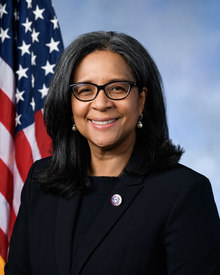
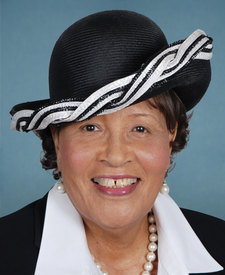
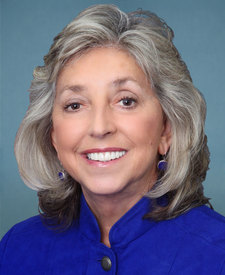
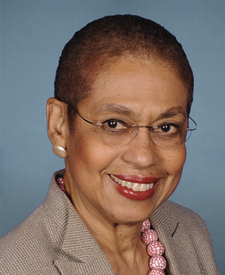
IntroducedMs. Strickland (for herself, Mr. Lawler, Ms. Norton, Ms. Adams, …
Stakeholder Effects
cui bono?How this legislation distributes effects. Mention counts reflect frequency, not effect magnitude.
Urban forestry and landscaping companies, Urban forestry and tree-planting organizations
Grant recipients (general), State departments of transportation
Positive-direction: State departments of transportation
Negative-direction: Grant recipients (general)
Disadvantaged communities with limited tree cover
Environmental monitoring and sensor companies
Bill Structure & Actor Mappings
Who is "The Secretary" in each section?
- "the_secretary"
- → Secretary of Transportation
- "the_administrator"
- → Administrator of the Environmental Protection Agency
Key Definitions
Terms defined in this bill
A designated transportation route enhanced through linear greening strategies, including tree canopy, shade infrastructure, and nature-based solutions designed to reduce temperatures
Activities that mitigate heat in public spaces, including tree planting, vegetative infrastructure, cool surfaces, shade structures, and maintenance of existing green infrastructure
We use a combination of our own taxonomy and classification in addition to large language models to assess meaning and potential beneficiaries. High confidence means strong textual evidence. Always verify with the original bill text.
Learn more about our methodology