Stephanie Tubbs Jones Uterine Fibroid Research and Education Act of 2025
Summary
What This Bill Does
The Stephanie Tubbs Jones Uterine Fibroid Research and Education Act responds to findings that 20 to 50 percent of reproductive-age women have fibroids, up to 77 percent develop fibroids before menopause, 26 million U.S. women ages 15 to 50 are affected, symptoms can include pelvic pain, severe bleeding, anemia, fatigue, infertility, pregnancy complications, and pregnancy loss, patients wait an average of 3.6 years before seeking treatment, and Black women face especially high prevalence and severe symptoms. HHS must expand, intensify, and coordinate uterine fibroid research with NIH institutes, offices, centers, and other relevant agencies, with $30 million authorized annually from fiscal years 2026 through 2030. HHS must create or expand a research database on Medicaid and CHIP services for people diagnosed with fibroids and report within two years on federal and state expenditures for fibroid treatment. HHS must develop and disseminate public information on awareness, incidence, prevalence, elevated minority risk, and treatment options including non-hysterectomy procedures. HHS must also work with medical societies, specialty societies, and health systems to promote evidence-based care and information on FDA-approved non-hysterectomy drugs and devices.
Who Benefits and How
Patients with uterine fibroids benefit from expanded federal research, public education, and provider information about evidence-based treatment options. Black women and other minority individuals with elevated fibroid risk benefit from targeted information on disparities, prevalence, and non-hysterectomy treatment options. NIH uterine fibroid researchers benefit from $30 million per year in authorized research support from fiscal years 2026 through 2030. Medicaid and CHIP policymakers benefit from a database and expenditure report on fibroid treatment services.
Who Bears the Burden and How
The Secretary of Health and Human Services must coordinate NIH research, Medicaid and CHIP data, public education, provider outreach, and reports. State Medicaid and CHIP programs may need to provide data on services furnished to people diagnosed with uterine fibroids. Health systems and specialty societies must coordinate provider education if they participate in HHS dissemination work. Federal taxpayers fund the $30 million annual research authorization and such sums as necessary for education and provider information.
Key Provisions
- Authorizes $30 million annually from fiscal years 2026 through 2030 for expanded NIH-coordinated uterine fibroid research.
- Requires a Medicaid and CHIP research database and a two-year report on federal and state fibroid-treatment expenditures.
- Directs public information on fibroid awareness, incidence, prevalence, minority risk, and treatment options.
- Requires provider information work with medical societies, specialty societies, and health systems on evidence-based care and non-hysterectomy drugs and devices.
Evidence Chain:
This summary is generated from the full bill text using AI analysis. Expand "Detailed Analysis" below for identified beneficiaries/burden bearers with clause-level evidence links.
At a Glance
What This Bill Does
Authorizes HHS uterine fibroid research, Medicaid and CHIP treatment data collection, public education, provider information, and $30 million annually for NIH-coordinated research from fiscal years 2026 through 2030.
Key Policy Areas
Women's Health, Medical Research, Medicaid
Primary Purpose
Authorizes HHS uterine fibroid research, Medicaid and CHIP treatment data collection, public education, provider information, and $30 million annually for NIH-coordinated research from fiscal years 2026 through 2030.
Policy Domains
Resolution provisions
Identified Gains
- Patients with uterine fibroids
- Black women with uterine fibroids
- NIH uterine fibroid researchers
- Medicaid and CHIP policymakers
Identified Costs
- Secretary of Health and Human Services
- State Medicaid programs
- Health systems
- Federal taxpayers
Sponsors
Legislative Progress
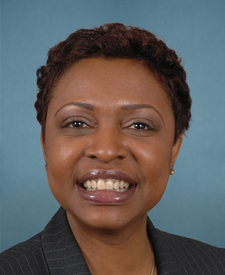
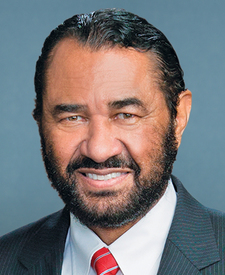
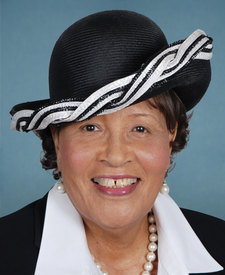
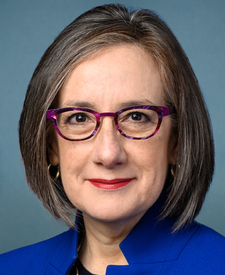
In CommitteeMs. Clarke of New York (for herself, Ms. Brown, Ms. …
Referred to the House Committee on Energy and Commerce.
Introduced in House
Stakeholder Effects
cui bono?How this legislation distributes effects. Mention counts reflect frequency, not effect magnitude.
Black women with uterine fibroids, Patients with uterine fibroids
Bill Structure & Actor Mappings
Who is "The Secretary" in each section?
We use a combination of our own taxonomy and classification in addition to large language models to assess meaning and potential beneficiaries. High confidence means strong textual evidence. Always verify with the original bill text.
Learn more about our methodology