Uterine Fibroid Intervention and Gynecological Health Treatment Act of 2025
Summary
What This Bill Does
The Uterine Fibroid Intervention and Gynecological Health Treatment Act focuses on earlier detection and intervention for uterine fibroids. HHS must conduct or support research on increasing early detection and intervention, then formulate evidence-based or evidence-informed strategies for health care settings quickly enough for grantees to use them. HHS may award state grants for programs to increase early detection and intervention and to run public awareness and education campaigns. Grant uses include screening procedures and advanced gynecological imaging, patient navigation, implementation of evidence-based strategies, and facilitating access to health care settings. HHS must prioritize states proposing programs in geographic areas with socially vulnerable populations at elevated risk of uterine fibroid development. The Secretary may also award research grants, including clinical trials, on disparities in pain control and management in fibroid surgical treatment and on Asherman's Syndrome, intrauterine adhesions, and other intrauterine conditions. HHS must report publicly to Congress every two years on grant program findings and on research developments.
Who Benefits and How
People with uterine fibroids benefit from earlier screening, patient navigation, imaging access, and evidence-based intervention strategies. Socially vulnerable populations at elevated fibroid risk benefit because HHS must prioritize state grant programs serving those geographic areas. State health departments benefit from grants for awareness campaigns, screening, patient navigation, and access to care. Researchers studying fibroid pain disparities and intrauterine conditions benefit from dedicated HHS research grant authority.
Who Bears the Burden and How
The Secretary of Health and Human Services must conduct research, formulate strategies, manage grants, and publish biennial reports. State grantees must implement early-detection and intervention programs and public education campaigns. Health care settings must apply evidence-based or evidence-informed detection strategies if they participate in funded programs. Congressional oversight staff must review recurring reports on program results and research developments.
Key Provisions
- Requires HHS research on early detection and intervention for uterine fibroids.
- Authorizes state grants for screening, advanced gynecological imaging, patient navigation, access to health care settings, and public awareness.
- Prioritizes grants for geographic areas with socially vulnerable populations at elevated fibroid risk.
- Authorizes research grants on surgical pain disparities, Asherman's Syndrome, intrauterine adhesions, and other intrauterine conditions with biennial public reports.
Evidence Chain:
This summary is generated from the full bill text using AI analysis. Expand "Detailed Analysis" below for identified beneficiaries/burden bearers with clause-level evidence links.
At a Glance
What This Bill Does
Directs HHS research, state grants, clinical research grants, and biennial public reports to improve early detection and intervention for uterine fibroids, especially in socially vulnerable higher-risk populations.
Key Policy Areas
Women's Health, Medical Research, Health Grants
Primary Purpose
Directs HHS research, state grants, clinical research grants, and biennial public reports to improve early detection and intervention for uterine fibroids, especially in socially vulnerable higher-risk populations.
Policy Domains
Resolution provisions
Identified Gains
- People with uterine fibroids
- Socially vulnerable populations at elevated fibroid risk
- State health departments
- Fibroid researchers
Identified Costs
- Secretary of Health and Human Services
- State grantees
- Participating health care settings
- Congressional oversight staff
Sponsors


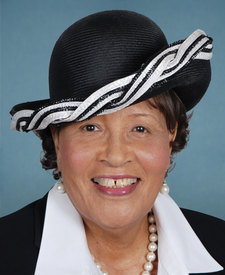


Legislative Progress
In CommitteeMs. Brown (for herself, Ms. Clarke of New York, Ms. …
Referred to the House Committee on Energy and Commerce.
Introduced in House
Stakeholder Effects
cui bono?How this legislation distributes effects. Mention counts reflect frequency, not effect magnitude.
People with uterine fibroids, Socially vulnerable populations at elevated fibroid risk
State grantees, State health departments
Positive-direction: State health departments
Negative-direction: State grantees
Bill Structure & Actor Mappings
Who is "The Secretary" in each section?
We use a combination of our own taxonomy and classification in addition to large language models to assess meaning and potential beneficiaries. High confidence means strong textual evidence. Always verify with the original bill text.
Learn more about our methodology