Great Lakes Icebreaker Act of 2025
Summary
What This Bill Does
The Great Lakes Icebreaker Act directs the Coast Guard Commandant to report within 90 days on how the Coast Guard will complete design and construction of a Great Lakes icebreaker at least as capable as the Coast Guard cutter Mackinaw as quickly as possible after funding is provided. The strategy must include a cost estimate and delivery timeline. The Commandant must also run a pilot program during the next five ice seasons to test whether the Great Lakes icebreaking cutter fleet can keep tier one and tier two waterways open 95 percent of the time during an ice season. Within 180 days after each of those five ice seasons, the Commandant must report results and new performance measures to the Senate Commerce Committee and House Transportation and Infrastructure Committee. The bill also requires public and committee cost reporting for meeting Coast Guard domestic icebreaking standards in fiscal years 2024 through 2026.
Who Benefits and How
Great Lakes shippers benefit if a new icebreaker and performance pilot improve winter navigation reliability. Great Lakes ports benefit from a 95 percent open-waterway target for tier one and tier two waterways during ice season. Manufacturers and agricultural exporters using Great Lakes freight benefit from reduced winter shipping disruptions. Congressional transportation committees benefit from cost estimates, delivery timelines, performance results, and public cost reports.
Who Bears the Burden and How
The Coast Guard Commandant must prepare the 90-day icebreaker strategy and run a five-season pilot program. Coast Guard acquisition staff must estimate costs and delivery timelines for an icebreaker at least as capable as the Mackinaw. Coast Guard icebreaking crews must measure and report fleet performance against the 95 percent waterway availability goal. Federal taxpayers bear future acquisition and operating costs if Congress funds the new Great Lakes icebreaker.
Key Provisions
- Requires a Coast Guard strategy within 90 days for a Great Lakes icebreaker at least as capable as the Mackinaw.
- Requires the strategy to include a cost estimate and expedited delivery timeline after funding is provided.
- Creates a five-ice-season pilot program testing 95 percent availability for tier one and tier two Great Lakes waterways.
- Requires annual post-season reports, public cost reporting, and committee briefings on domestic icebreaking standards.
Evidence Chain:
This summary is generated from the full bill text using AI analysis. Expand "Detailed Analysis" below for identified beneficiaries/burden bearers with clause-level evidence links.
At a Glance
What This Bill Does
Requires Coast Guard planning and reporting for expedited design and construction of a Great Lakes icebreaker at least as capable as the Mackinaw, plus a five-season pilot to keep tier one and tier two waterways open 95 percent of the time.
Key Policy Areas
Maritime, Great Lakes, Coast Guard
Primary Purpose
Requires Coast Guard planning and reporting for expedited design and construction of a Great Lakes icebreaker at least as capable as the Mackinaw, plus a five-season pilot to keep tier one and tier two waterways open 95 percent of the time.
Policy Domains
Resolution provisions
Identified Gains
- Great Lakes shippers
- Great Lakes ports
- Manufacturers using Great Lakes freight
- Congressional transportation committees
Identified Costs
- Coast Guard Commandant
- Coast Guard acquisition staff
- Coast Guard icebreaking crews
- Federal taxpayers
Sponsors

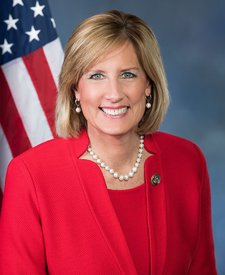


Legislative Progress
In CommitteeReferred to the Subcommittee on Coast Guard and Maritime Transportation.
Ms. McDonald Rivet (for herself, Mr. Wied, and Mr. Miller …
Referred to the House Committee on Transportation and Infrastructure.
Introduced in House
Stakeholder Effects
cui bono?How this legislation distributes effects. Mention counts reflect frequency, not effect magnitude.
Coast Guard Commandant, Coast Guard acquisition staff
Bill Structure & Actor Mappings
Who is "The Secretary" in each section?
We use a combination of our own taxonomy and classification in addition to large language models to assess meaning and potential beneficiaries. High confidence means strong textual evidence. Always verify with the original bill text.
Learn more about our methodology