Trafficking Survivors Relief Act
Summary
What This Bill Does
The Trafficking Survivors Relief Act creates a federal path for trafficking survivors to undo criminal records that resulted from trafficking. It lets eligible survivors seek vacatur of nonviolent federal convictions, expungement of arrest records, sentence reductions for covered prisoners, and confidentiality protections for sealed filings. It also creates a trafficking-based duress defense for future federal prosecutions.
Who Benefits and How
Human trafficking survivors with federal convictions or arrests benefit because they can ask a court to remove records that block employment, housing, education, immigration stability, and public benefits. Survivors facing federal charges benefit from a statutory duress defense when the offense was committed while they were being trafficked.
Legal aid lawyers, criminal defense attorneys, and anti-trafficking service organizations benefit because the bill recognizes their role in documenting trafficking coercion and allows eligible federal grant funds to support post-conviction representation.
Legal services providers, victim service providers, Office of Justice Programs grant recipients, and Office on Violence Against Women grant recipients gain clearer permission to support post-conviction representation for trafficking survivors.
Who Bears the Burden and How
Federal courts must handle sealed motions, hearings, vacatur orders, expungement orders, and sentence-reduction requests. United States Attorneys must respond to motions, report district-level motion data to the Attorney General, and account for trafficking indicators. The Attorney General and GAO must submit implementation and impact reports to Congress.
The Department of Justice, United States Attorneys offices, federal courts, the Government Accountability Office, the Office of Justice Programs, and the Office on Violence Against Women each receive implementation, reporting, grant-administration, or case-processing duties.
Key Provisions
- Creates section 3771A of title 18 for trafficking-survivor vacatur, expungement, sentence reduction, fee waiver, and sealing procedures.
- Allows survivors convicted of level A offenses to seek vacatur when the offense resulted from trafficking.
- Allows expungement of arrest records tied to level A or level B offenses under the bill's criteria.
- Expands federal grant flexibility so legal-representation grants may support post-conviction relief representation.
- Creates a federal trafficking duress defense and preserves post-conviction relief arguments even when the defense was not previously raised.
- Requires United States Attorney, Attorney General, and GAO reports on motions, training, outcomes, and implementation barriers.
Evidence Chain:
This summary is generated from the full bill text using AI analysis. Expand "Detailed Analysis" below for identified beneficiaries/burden bearers with clause-level evidence links.
At a Glance
What This Bill Does
Creates federal vacatur, expungement, sentence-reduction, confidentiality, reporting, and duress-defense procedures for trafficking survivors whose federal criminal records or charges are tied to their trafficking.
Key Policy Areas
Criminal Justice, Human Trafficking
Primary Purpose
Creates federal vacatur, expungement, sentence-reduction, confidentiality, reporting, and duress-defense procedures for trafficking survivors whose federal criminal records or charges are tied to their trafficking.
Policy Domains
Federal criminal relief for trafficking survivors
Identified Gains
- Human trafficking survivors with federal criminal records
- Human trafficking survivors facing federal charges
- Legal services providers representing trafficking survivors
- Victim service providers supporting trafficking survivors
- Office of Justice Programs grant recipients
- Office on Violence Against Women grant recipients
Identified Costs
- Federal courts
- United States Attorneys offices
- Department of Justice
- Government Accountability Office
- Office of Justice Programs
- Office on Violence Against Women
Sponsors
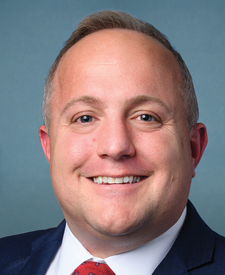

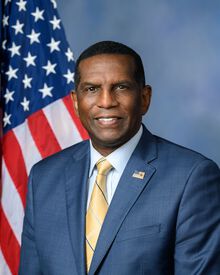


Legislative Progress
Signed into LawBecame Public Law No: 119-73.
Signed by President.
Presented to President.
Message on Senate action sent to the House.
Passed/agreed to in Senate: Passed Senate without amendment by Unanimous …
Passed Senate without amendment by Unanimous Consent. (consideration: CR S8894)
Received in the Senate, read twice.
Motion to reconsider laid on the table Agreed to without …
On motion to suspend the rules and pass the bill, …
Passed/agreed to in House: On motion to suspend the rules …
Stakeholder Effects
cui bono?How this legislation distributes effects. Mention counts reflect frequency, not effect magnitude.
Attorney General / Department of Justice, Department of Justice / Attorney General, Federal court clerks and records employees
Crime victims with rights under existing law, Currently incarcerated trafficking victims (covered prisoners), Human trafficking survivors
Criminal defense attorneys, Criminal defense attorneys specializing in trafficking cases, Defense attorneys representing trafficking victims
Anti-human trafficking organizations and clinicians, Anti-human trafficking service providers, Anti-human trafficking service providers and clinicians
Federal prosecutors, Federal prosecutors (US Attorneys' offices), Federal record-keeping agencies (FBI, DOJ)
Positive-direction: Human trafficking survivors facing federal criminal prosecution, Human trafficking survivors with federal criminal records
Negative-direction: Federal prosecutors, Federal prosecutors (US Attorneys' offices), Federal record-keeping agencies (FBI, DOJ)
Federal courts handling criminal cases, Federal district courts
Bill Structure & Actor Mappings
Who is "The Secretary" in each section?
- "government"
- → United States Attorneys and federal prosecutors
- "attorney_general"
- → Attorney General
- "comptroller_general"
- → Government Accountability Office
Key Definitions
Terms defined in this bill
A level A or level B federal offense used for the trafficking duress defense.
A victim as defined in the Trafficking Victims Protection Act of 2000, used to determine eligibility for federal vacatur, expungement, sentence reduction, and duress-defense relief.
We use a combination of our own taxonomy and classification in addition to large language models to assess meaning and potential beneficiaries. High confidence means strong textual evidence. Always verify with the original bill text.
Learn more about our methodology