Strengthening Science Through Diplomacy Act of 2025
Summary
What This Bill Does
The Strengthening Science Through Diplomacy Act gives the President authority to treat the European Organization for Nuclear Research, known as CERN, like a covered public international organization under the International Organizations Immunities Act. If the President uses the authority, CERN could receive the same privileges, exemptions, and immunities that the United States extends to eligible international organizations in which the United States participates by treaty, statute, or appropriation. The practical effect is to remove legal friction around CERN's U.S.-facing scientific cooperation, travel, property, records, and official activity while leaving the President discretion to set terms and conditions.
Who Benefits and How
CERN benefits because the President could extend U.S. international-organization privileges and immunities to its official activity. U.S. particle physics researchers benefit if CERN collaborations face fewer legal and administrative barriers in the United States. Science diplomacy officials benefit from a statutory tool for deeper U.S.-CERN cooperation. Universities and laboratories participating in CERN projects benefit from clearer treatment of CERN personnel, records, and property.
Who Bears the Burden and How
The President must decide whether and how to extend International Organizations Immunities Act treatment to CERN. State Department legal and protocol offices must implement any terms, conditions, and diplomatic treatment connected to CERN. Federal tax, customs, immigration, and court officials may need to recognize CERN's covered privileges or immunities. Private litigants or regulators may face limits when claims or enforcement touch CERN's official functions.
Key Provisions
- Authorizes the President to extend International Organizations Immunities Act treatment to CERN.
- Provides CERN the same potential treatment as eligible public international organizations.
- Requires any extension to follow terms and conditions determined by the President.
- Supports U.S.-CERN scientific cooperation through diplomatic legal status rather than direct research funding.
Evidence Chain:
This summary is generated from the full bill text using AI analysis. Expand "Detailed Analysis" below for identified beneficiaries/burden bearers with clause-level evidence links.
At a Glance
What This Bill Does
Authorizes the President to extend International Organizations Immunities Act privileges and immunities to CERN, the European Organization for Nuclear Research, on terms the President determines.
Key Policy Areas
Science, Foreign Affairs, International Organizations
Primary Purpose
Authorizes the President to extend International Organizations Immunities Act privileges and immunities to CERN, the European Organization for Nuclear Research, on terms the President determines.
Policy Domains
Resolution provisions
Identified Gains
- CERN
- U.S. particle physics researchers
- Science diplomacy officials
- Universities and laboratories participating in CERN projects
Identified Costs
- President of the United States
- State Department legal offices
- Federal tax and customs officials
- Private litigants or regulators
Sponsors




Legislative Progress
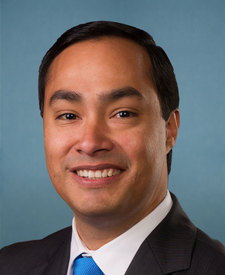
In CommitteeMr. Castro of Texas (for himself, Mr. Johnson of South …
Referred to the House Committee on Foreign Affairs.
Introduced in House
Stakeholder Effects
cui bono?How this legislation distributes effects. Mention counts reflect frequency, not effect magnitude.
Federal tax and customs officials, President of the United States, State Department legal offices
CERN, U.S. particle physics researchers
Bill Structure & Actor Mappings
Who is "The Secretary" in each section?
We use a combination of our own taxonomy and classification in addition to large language models to assess meaning and potential beneficiaries. High confidence means strong textual evidence. Always verify with the original bill text.
Learn more about our methodology