To amend the Native American Tourism and Improving Visitor Experience Act to authorize grants to Indian tribes, tribal organizations, and Native Hawaiian organizations, and for other purposes.
Summary
What This Bill Does
This bill amends the Native American Tourism and Improving Visitor Experience Act to add a Native American tourism grant section. The Director of the Bureau of Indian Affairs may make grants to and enter into agreements with Indian tribes and tribal organizations. The Director of the Office of Native Hawaiian Relations may make grants to and enter into agreements with Native Hawaiian organizations. Other federal agencies, including Commerce, Transportation, Agriculture, Health and Human Services, and Labor, may also make grants and agreements with Indian tribes, tribal organizations, and Native Hawaiian organizations to carry out the Act's tourism and visitor-experience purposes. The authorization is $35 million for fiscal years 2025 through 2029.
Who Benefits and How
Indian tribes benefit because BIA and other federal agencies can fund tourism and visitor-experience projects. Tribal organizations benefit from grant and agreement authority under the Native American tourism framework. Native Hawaiian organizations benefit because the Office of Native Hawaiian Relations receives parallel grant and agreement authority. Tribal tourism businesses benefit indirectly if grants support destination development, visitor services, workforce needs, and cultural tourism infrastructure.
Who Bears the Burden and How
The Bureau of Indian Affairs must administer tribal tourism grants and agreements. The Office of Native Hawaiian Relations must administer grants and agreements for Native Hawaiian organizations. Federal agencies such as Commerce, Transportation, Agriculture, HHS, and Labor must coordinate if they use the new authority. Federal taxpayers fund the $35 million authorization for fiscal years 2025 through 2029.
Key Provisions
- Creates Native American tourism grant and agreement authority under the Native American Tourism and Improving Visitor Experience Act.
- Authorizes BIA grants and agreements with Indian tribes and tribal organizations.
- Authorizes Office of Native Hawaiian Relations grants and agreements with Native Hawaiian organizations.
- Provides $35 million for fiscal years 2025 through 2029 and permits other federal agencies to participate.
Evidence Chain:
This summary is generated from the full bill text using AI analysis. Expand "Detailed Analysis" below for identified beneficiaries/burden bearers with clause-level evidence links.
At a Glance
What This Bill Does
Authorizes $35 million for fiscal years 2025 through 2029 for Native American tourism grants and agreements through BIA, the Office of Native Hawaiian Relations, and other federal agencies.
Key Policy Areas
Tribal Affairs, Tourism, Economic Development
Primary Purpose
Authorizes $35 million for fiscal years 2025 through 2029 for Native American tourism grants and agreements through BIA, the Office of Native Hawaiian Relations, and other federal agencies.
Policy Domains
Resolution provisions
Identified Gains
- Indian tribes
- Tribal organizations
- Native Hawaiian organizations
- Tribal tourism businesses
Identified Costs
- Bureau of Indian Affairs
- Office of Native Hawaiian Relations
- Participating federal agencies
- Federal taxpayers
Sponsors
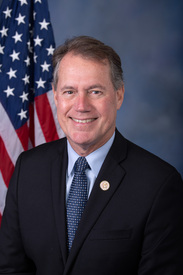
Legislative Progress
In CommitteeSubcommittee Hearings Held
Referred to the Subcommittee on Indian and Insular Affairs.
Mr. Case introduced the following bill; which was referred to …
Referred to the Committee on Natural Resources, and in addition …
Introduced in House
Sponsor introductory remarks on measure. (CR E641)
Stakeholder Effects
cui bono?How this legislation distributes effects. Mention counts reflect frequency, not effect magnitude.
Bureau of Indian Affairs, Indian tribes, Office of Native Hawaiian Relations
Positive-direction: Indian tribes, Tribal organizations
Negative-direction: Bureau of Indian Affairs, Office of Native Hawaiian Relations
Bill Structure & Actor Mappings
Who is "The Secretary" in each section?
We use a combination of our own taxonomy and classification in addition to large language models to assess meaning and potential beneficiaries. High confidence means strong textual evidence. Always verify with the original bill text.
Learn more about our methodology