Clean Air and Building Infrastructure Improvement Act
Summary
What This Bill Does
This bill changes the Clean Air Act process for national ambient air quality standards and preconstruction permits. When EPA publishes a final rule establishing or revising a NAAQS, the EPA Administrator must concurrently publish final regulations and guidance to help States, permitting authorities, and permit applicants implement the standard, including guidance on preconstruction permit applications. If EPA does not publish that implementation material at the same time as the standard, the new or revised standard does not apply to review and disposition of preconstruction permit applications until EPA publishes the final guidance.
Earlier text for this bill also addressed the 2024 annual PM2.5 standard by protecting certain pending or preliminarily noticed preconstruction permit applications from application of the new standard. The bill preserves obligations to install best available control technology and lowest achievable emission rate technology where applicable, and it preserves State, local, and Tribal authority to impose stricter emissions requirements than federal NAAQS.
Who Benefits and How
Industrial facility developers seeking preconstruction permits benefit because EPA must provide implementation guidance before a new standard affects permit review. Electric utilities and power plant permit applicants benefit from reduced uncertainty when NAAQS revisions occur. State air permitting authorities, local air permitting authorities, and Tribal air permitting authorities benefit from final EPA guidance that arrives with the standard rather than after permit disputes begin. Construction project sponsors benefit if pending applications are not reset by standards lacking implementation guidance.
Who Bears the Burden and How
EPA air-quality staff must prepare final implementation regulations and guidance concurrently with any final NAAQS rule. Communities near industrial projects may face higher pollution risk if a new or revised standard is delayed for permit applications until EPA guidance is published. Environmental public-health advocates bear a litigation and oversight burden if they believe the delay weakens health protection. Permit applicants still must install best available control technology or lowest achievable emission rate technology where required, so the bill does not remove all emissions-control obligations.
Key Provisions
- Requires EPA to publish final implementation regulations and guidance concurrently with any final NAAQS establishment or revision.
- Provides that a new or revised NAAQS does not apply to preconstruction permit review until EPA publishes required implementation guidance.
- Preserves obligations for best available control technology and lowest achievable emission rate technology.
- Preserves State, local, and Tribal authority to impose stricter emissions requirements.
- Protects certain pending preconstruction permit applications from the 2024 annual PM2.5 standard in earlier bill text.
Evidence Chain:
This summary is generated from the full bill text using AI analysis. Expand "Detailed Analysis" below for identified beneficiaries/burden bearers with clause-level evidence links.
At a Glance
What This Bill Does
Requires EPA to issue final implementation regulations and guidance at the same time it establishes or revises a national ambient air quality standard, and delays application of a new or revised standard to preconstruction permit reviews until EPA publishes that guidance.
Key Policy Areas
Air Quality, Permitting, Infrastructure, Environmental Regulation
Primary Purpose
Requires EPA to issue final implementation regulations and guidance at the same time it establishes or revises a national ambient air quality standard, and delays application of a new or revised standard to preconstruction permit reviews until EPA publishes that guidance.
Policy Domains
House resolution provisions
Identified Gains
- Industrial facility developers
- Electric utility permit applicants
- Power plant permit applicants
- State air permitting authorities
- Local air permitting authorities
- Tribal air permitting authorities
Identified Costs
- EPA air-quality staff
- Communities near industrial projects
- Environmental public-health advocates
- Preconstruction permit applicants
Sponsors
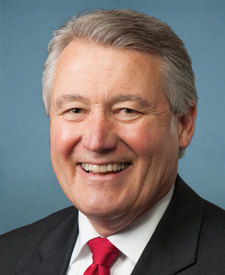
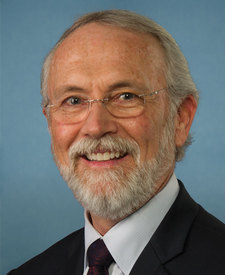
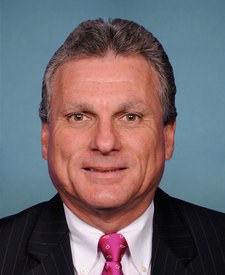

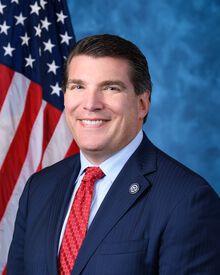
Legislative Progress
ReportedPlaced on the Union Calendar, Calendar No. 543.
Reported by the Committee on Energy and Commerce. H. Rept. …
Additional sponsor: Mr. Obernolte
Reported by the Committee on Energy and Commerce. H. Rept. …
Committee Consideration and Mark-up Session Held
Ordered to be Reported by the Yeas and Nays: 28 …
Forwarded by Subcommittee to Full Committee by the Yeas and …
Subcommittee Consideration and Mark-up Session Held
Referred to the House Committee on Energy and Commerce.
Referred to the Subcommittee on Environment.
Stakeholder Effects
cui bono?How this legislation distributes effects. Mention counts reflect frequency, not effect magnitude.
EPA air-quality staff, Local air permitting authorities, State air permitting authorities
Positive-direction: Local air permitting authorities, State air permitting authorities
Negative-direction: EPA air-quality staff
Communities near industrial projects, Communities near permitted facilities, Environmental public-health advocates
Bill Structure & Actor Mappings
Who is "The Secretary" in each section?
- "administrator"
- → Administrator of the Environmental Protection Agency
We use a combination of our own taxonomy and classification in addition to large language models to assess meaning and potential beneficiaries. High confidence means strong textual evidence. Always verify with the original bill text.
Learn more about our methodology