Small Business Regulatory Flexibility Improvements Act
Analysis under review: This bill has generated analysis that may be too generic or incomplete. Clause-level evidence remains available below.
Summary
What This Bill Does
This bill strengthens the Regulatory Flexibility Act to require federal agencies to more thoroughly analyze how proposed regulations affect small businesses before issuing new rules. It expands the role of the Small Business Administration's Chief Counsel for Advocacy to review and challenge agency rules that may harm small entities.
Who Benefits and How
Small businesses benefit significantly through reduced regulatory compliance burdens. They receive earlier notification and input opportunities on proposed rules, more detailed agency analyses of economic impacts, and waivers of fines for first-time paperwork violations. The SBA Office of Advocacy gains expanded powers to intervene in agency rulemakings and set size standards.
Who Bears the Burden and How
Federal regulatory agencies face increased procedural requirements and must conduct more detailed analyses before issuing rules. They must notify the SBA Chief Counsel before publishing proposed rules, participate in review panels, and respond to advocacy comments. The Office of Management and Budget must participate in rule review panels.
Key Provisions
- Requires agencies to analyze both direct and indirect economic impacts on small entities, including cumulative regulatory burdens
- Establishes mandatory pre-publication review panels with SBA and OMB participation
- Grants small businesses the right to judicial review of agency compliance with the Regulatory Flexibility Act
- Waives civil fines for first-time paperwork violations by small businesses (with exceptions for public safety)
Evidence Chain:
This summary is generated from the full bill text using AI analysis. Expand "Detailed Analysis" below for identified beneficiaries/burden bearers with clause-level evidence links.
At a Glance
What This Bill Does
Strengthens the Regulatory Flexibility Act to require federal agencies to conduct more thorough analyses of regulatory impacts on small businesses and gives the SBA Chief Counsel for Advocacy greater oversight powers over agency rulemaking.
Key Policy Areas
Small Business, Regulatory Reform, Administrative Procedure
Primary Purpose
Strengthens the Regulatory Flexibility Act to require federal agencies to conduct more thorough analyses of regulatory impacts on small businesses and gives the SBA Chief Counsel for Advocacy greater oversight powers over agency rulemaking.
Policy Domains
Regulatory Flexibility Act Amendments
Identified Gains
- Small business concerns
- Small Business Administration Office of Advocacy
- Small governmental jurisdictions
- Small nonprofit organizations
Identified Costs
- Federal regulatory agencies
- Office of Management and Budget
- Office of Information and Regulatory Affairs
Sponsors

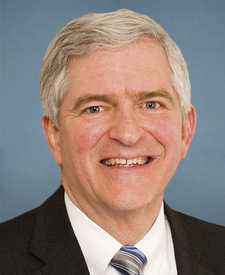

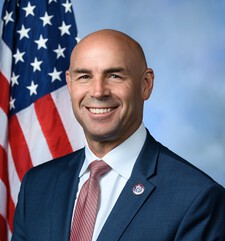

Legislative Progress
ReportedOrdered to be Reported in the Nature of a Substitute …
Committee Consideration and Mark-up Session Held
Mr. Cline (for himself, Ms. Hageman, Mr. Ellzey, Mr. Brecheen, …
Referred to the Committee on the Judiciary, and in addition …
Introduced in House
Stakeholder Effects
cui bono?How this legislation distributes effects. Mention counts reflect frequency, not effect magnitude.
Federal agencies enforcing paperwork requirements, Federal agencies using size standards, Federal regulatory agencies
Positive-direction: SBA Chief Counsel for Advocacy
Negative-direction: Federal agencies enforcing paperwork requirements, Federal agencies using size standards, Federal regulatory agencies, Government Accountability Office, Office of Management and Budget, SBA Office of Advocacy
Businesses seeking small business classification, Small business concerns, Small business concerns across all industries
Bill Structure & Actor Mappings
Who is "The Secretary" in each section?
- "the_agency"
- → Any federal agency subject to the Regulatory Flexibility Act
- "chief_counsel"
- → Chief Counsel for Advocacy of the Small Business Administration
- "the_administrator"
- → Administrator of the Small Business Administration
Key Definitions
Terms defined in this bill
Any direct economic effect on small entities of such rule AND any indirect economic effect (including compliance costs and effects on revenue) on small entities which is reasonably foreseeable and results from such rule (without regard to whether small entities will be directly regulated by the rule)
A violation by a small business concern of a requirement regarding collection of information by an agency, where the small business concern has not previously violated any similar requirement regarding collection of information by that same agency during the 5-year period preceding the violation
Has the meaning given in section 551(4) of title 5, with exceptions for veterans' benefits rules and certain rate/wage/financial structure rules
We use a combination of our own taxonomy and classification in addition to large language models to assess meaning and potential beneficiaries. High confidence means strong textual evidence. Always verify with the original bill text.
Learn more about our methodology