Making appropriations for Agriculture, Rural Development, Food and Drug Administration, and Related Agencies programs for the fiscal year ending September 30, 2026, and for other purposes.
Summary
What This Bill Does
This bill is the fiscal year 2026 Agriculture, Rural Development, Food and Drug Administration, Commodity Futures Trading Commission, Farm Credit Administration, and related agencies appropriations bill. It funds the annual accounts for USDA agencies and related regulators, but much of its practical impact comes from detailed policy riders. The bill lets USDA move certain unobligated balances into the Working Capital Fund for property, equipment, financial administration, information technology, and cloud services only with agency-administrator and Appropriations Committee approval. It also gives the Commodity Credit Corporation flexibility to use funds for salaries, administrative expenses, and technical assistance, limits how appropriations hearing information may be shared outside agencies, and requires reimbursement for USDA employee details lasting more than 60 days.
The bill changes rural development and nutrition-program operations. It blocks USDA from enforcing expanded SNAP retailer variety requirements from the 2016 rule until USDA rewrites variety definitions, leaving the pre-2016 stocking requirements in place. It gives section 502 guaranteed rural housing loans lender authority similar to section 538, blocks updated HUD/USDA energy-efficiency standards for newly constructed USDA-financed housing, and requires Buy American iron and steel for rural water, wastewater, waste disposal, and solid-waste projects unless a waiver standard is met. It also prevents WIC milk allowance reductions from the 2024 food package rule, requires WIC infant food packages to include safe peanut-containing foods for early allergen introduction, bars school nutrition programs from buying poultry or seafood products from the People's Republic of China, and directs USDA to study Buy American requirements for SNAP and WIC.
The FDA and food-safety provisions are especially concrete. The bill reserves at least $200 million for FDA Center for Tobacco Products enforcement against electronic nicotine delivery system products, requires monthly public lists showing products with marketing grants, marketing denials, or no-order status, and prioritizes flavored disposable ENDS enforcement. It blocks FDA Listeria monocytogenes guidelines or rules for low-risk foods until FDA considers new science in a compliance policy guide, blocks long-term population-wide sodium reduction guidelines or rules until FDA assesses the impact of short-term sodium targets, and delays the FSMA food traceability rule until August 1, 2028 and until FDA completes evaluations, beta tests, feasibility work, and interoperability analysis. The bill also treats animal food ingredients listed in the AAFCO official publication as generally recognized as safe for listed species unless FDA finds otherwise, protects specified natural claims on pet food, and requires genetically engineered animal market names to include 'genetically engineered' before the existing common name.
Several riders shape broader agency policy. USDA may not move staff offices or agencies across mission areas without specific legislation. The Agriculture Secretary is added to Committee on Foreign Investment in the United States consultations for covered transactions involving agricultural land, agricultural biotechnology, or agriculture industry, and must notify CFIUS of suspicious agricultural land transactions involving foreign governments or related entities. USDA, FDA, CFTC, and Farm Credit Administration offices face restrictions on disinformation or misinformation funding and on which flags may be flown. The bill rescinds unobligated balances, including $100 million from Natural Resources Conservation Service Conservation Operations, and funds a $2 million Meat and Poultry Processing Expansion Program set-aside for processors of invasive wild-caught catfish.
Who Benefits and How
Small SNAP retailer owners benefit because USDA must keep older retailer stocking rules in place instead of enforcing broader 2016 variety requirements until a new variety definition rule is completed. WIC participant families, dairy producers, and peanut food manufacturers benefit because the bill blocks WIC milk allowance reductions and requires WIC infant packages to include safe peanut-containing foods for early allergen exposure. Rural housing lenders, developers, and borrowers benefit from expanded section 502 lender authority and from the rider blocking newer energy-efficiency standards for USDA-financed new housing. U.S. iron and steel producers benefit from domestic-content requirements for rural water and waste projects. Invasive catfish processors benefit from a dedicated $2 million grant set-aside. FDA tobacco enforcement staff benefit from at least $200 million reserved for ENDS enforcement and from a monthly public product-status list. Food manufacturers, animal food manufacturers, and retailers benefit from delayed or narrowed FDA food-safety and labeling actions on Listeria, sodium, traceability, animal-food ingredients, and pet-food natural claims. Agriculture security reviewers benefit because the Agriculture Secretary receives a clearer CFIUS role for agricultural land, biotechnology, and industry transactions.
Who Bears the Burden and How
The Food and Drug Administration bears multiple implementation burdens because it must delay or condition Listeria, sodium, traceability, tobacco, engineered-animal naming, and animal-food policies on specific studies, lists, tests, or findings. USDA Food and Nutrition Service administrators must keep old SNAP retailer variety rules, prevent WIC milk allowance reductions, add peanut-containing foods, enforce school-meal sourcing restrictions, and produce a SNAP/WIC Buy American study. School nutrition procurement officers must avoid poultry and seafood products from the People's Republic of China in school lunch, breakfast, child care, adult care, and summer food programs. USDA budget, information-technology, and administrative offices must manage transfer approvals, employee-detail reimbursements, mission-area movement restrictions, flag restrictions, and rescissions. Food traceability advocates and some public-health organizations bear a policy burden because implementation of the FSMA traceability rule and population-wide sodium and Listeria controls is pushed back or narrowed. Chinese poultry and seafood exporters lose access to federally supported school nutrition purchasing. DEI training vendors and disinformation/misinformation contractors lose funding channels. NRCS conservation program staff and beneficiaries lose $100 million in unobligated Conservation Operations balances.
Key Provisions
- Requires USDA Working Capital Fund transfers for property, equipment, financial administration, information technology, and cloud services to receive agency-administrator and Appropriations Committee approval.
- Provides Commodity Credit Corporation flexibility to use funds for salaries, administrative expenses, and technical assistance without specified transfer and allotment limits.
- Blocks expanded SNAP retailer variety requirements from the 2016 rule until USDA amends the variety definitions.
- Requires at least $200 million for FDA ENDS enforcement and a monthly public list of tobacco products with marketing grants, denials, or no-order status.
- Requires Buy American iron and steel for rural water, wastewater, waste-disposal, and solid-waste projects unless a waiver applies.
- Blocks WIC milk allowance reductions, bars PRC poultry and seafood purchases in federal school nutrition programs, and requires safe peanut-containing foods in WIC infant packages.
- Delays or limits FDA Listeria, sodium, FSMA traceability, animal-food ingredient, pet-food natural claim, and engineered-animal naming policies.
- Adds Agriculture Secretary involvement in CFIUS review for agricultural land, agricultural biotechnology, and agriculture industry transactions.
- Funds a $2 million invasive wild-caught catfish processor grant set-aside and rescinds $100 million from NRCS Conservation Operations unobligated balances.
Evidence Chain:
This summary is generated from the full bill text using AI analysis. Expand "Detailed Analysis" below for identified beneficiaries/burden bearers with clause-level evidence links.
At a Glance
What This Bill Does
Appropriates fiscal year 2026 funding and policy riders for the Department of Agriculture, Rural Development, the Food and Drug Administration, the Commodity Futures Trading Commission, the Farm Credit Administration, and related agencies while restricting several USDA and FDA regulatory actions, directing nutrition and rural development rules, funding tobacco enforcement and invasive catfish processing, imposing Buy American procurement rules, adding agriculture security review hooks, and rescinding selected unobligated balances.
Key Policy Areas
Agriculture, Rural Development, Food Safety, Nutrition Programs, FDA Regulation, Federal Spending
Primary Purpose
Appropriates fiscal year 2026 funding and policy riders for the Department of Agriculture, Rural Development, the Food and Drug Administration, the Commodity Futures Trading Commission, the Farm Credit Administration, and related agencies while restricting several USDA and FDA regulatory actions, directing nutrition and rural development rules, funding tobacco enforcement and invasive catfish processing, imposing Buy American procurement rules, adding agriculture security review hooks, and rescinding selected unobligated balances.
Policy Domains
House resolution provisions
Identified Gains
- Food manufacturer compliance officers
- Small SNAP retailer owners
- WIC participant families
- Dairy producers
- Peanut food manufacturers
- Rural housing lenders
- U.S. iron and steel producers
- Invasive catfish processors
- FDA tobacco enforcement staff
- Agricultural land security reviewers
Identified Costs
- Food and Drug Administration
- Food and Nutrition Service administrators
- School nutrition procurement officers
- USDA budget staff
- USDA information technology offices
- Food traceability advocates
- Chinese poultry exporters
- DEI training vendors
- NRCS conservation program staff
- USDA Working Capital Fund managers
Sponsors
Legislative Progress
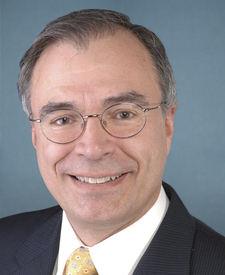
ReportedMr. Harris of Maryland, from the Committee on Appropriations, reported …
Stakeholder Effects
cui bono?How this legislation distributes effects. Mention counts reflect frequency, not effect magnitude.
APHIS employees responding to disease outbreaks, Agencies funded by agriculture appropriations, Agencies receiving agriculture appropriations
FDA, FDA Center for Tobacco Products, USDA, USDA Working Capital Fund face effects in multiple directions
Positive-direction: APHIS employees responding to disease outbreaks, Commodity Credit Corporation, FSIS, Farm Bill program administrators, Natural Resources Conservation Service, Rural Development loan programs, Rural Housing Service, USDA Office of General Counsel, USDA Rural Development, USDA and related agencies, USDA cotton classing services, USDA loan programs
Negative-direction: Agencies funded by agriculture appropriations, Agencies receiving agriculture appropriations, Employees of funded agencies, Executive branch agencies, Federal agency DEI offices, Federal agriculture agencies, Food aid recipient countries, Food and Drug Administration, HHS and USDA Dietary Guidelines teams, NRCS conservation programs, Rural development program administrators, USAID food assistance programs, USDA Food and Nutrition Service, USDA IT programs, USDA advisory committees, USDA agencies and offices, USDA and funded agencies, USDA budget office staff, USDA climate-related programs, USDA leadership, USDA, FDA, CFTC, Farm Credit Administration, WIC program, WIC program administrators
Cotton producers, Dairy industry, Foreign investors in US agricultural assets
Positive-direction: Cotton producers, Dairy industry, Licensed hemp growers and processors, Livestock producers, Meat packers and processors, Rural borrowers, Section 758 program recipients, Small produce farms (under $500K sales), US agricultural sector, US meat and poultry producers, USDA service users, Urban agriculture programs, Vegetable producers
Negative-direction: Foreign investors in US agricultural assets, Foreign meat and poultry exporters, Hemp industry (cannabinoid products), Horse slaughter facilities, Meat and poultry processing plants, Meat packers, Rural business borrowers
Animal food manufacturers, Food industry (farms, restaurants, retailers), Food manufacturers
Positive-direction: Animal food manufacturers, Food industry (farms, restaurants, retailers), Food manufacturers, Food manufacturers producing low-risk foods, Peanut industry
Negative-direction: Intoxicating hemp derivative producers
Agricultural research community, Agricultural research institutions, Biotechnology risk assessment researchers
Positive-direction: Agricultural research community, Agricultural research institutions, Biotechnology risk assessment researchers, Grazinglands Research Laboratory
Negative-direction: Gene editing research organizations
Energy efficiency advocates, Persistent poverty rural counties, Rural communities with prisons
Positive-direction: Persistent poverty rural counties, Rural-in-character communities, WIC participants
Negative-direction: Energy efficiency advocates
Alcohol industry, E-cigarette and vape manufacturers, Foreign iron and steel suppliers
Positive-direction: Alcohol industry, Tobacco product manufacturers, US iron and steel producers
Negative-direction: E-cigarette and vape manufacturers, Foreign iron and steel suppliers
Child nutrition programs, Crop insurance education programs, DEI training providers
Positive-direction: Child nutrition programs, Crop insurance education programs, School food authorities with positive balances, School food service programs
Negative-direction: DEI training providers
Former RUS borrowers, Nonprofit utilities, Rural cooperatives
Positive-direction: Former RUS borrowers, Nonprofit utilities, Rural cooperatives
Negative-direction: Rural water/wastewater projects
Bill Structure & Actor Mappings
Who is "The Secretary" in each section?
- "fca"
- → Farm Credit Administration
- "fda"
- → Food and Drug Administration
- "fns"
- → Food and Nutrition Service
- "cftc"
- → Commodity Futures Trading Commission
- "nrcs"
- → Natural Resources Conservation Service
- "cfius"
- → Committee on Foreign Investment in the United States
- "secretary"
- → Secretary of Agriculture
- "commissioner"
- → Commissioner of Food and Drugs
Key Definitions
Terms defined in this bill
We use a combination of our own taxonomy and classification in addition to large language models to assess meaning and potential beneficiaries. High confidence means strong textual evidence. Always verify with the original bill text.
Learn more about our methodology