To direct the Secretary of Commerce to establish a task force regarding shark depredation, and for other purposes.
Analysis under review: This bill has generated analysis that may be too generic or incomplete. Clause-level evidence remains available below.
Summary
What This Bill Does
This bill, To direct the Secretary of Commerce to establish a task force regarding shark depredation, and for other purposes., changes federal law or congressional policy affecting environmental regulators and natural-resource users. The main policy domain is Environment, Agriculture, Immigration.
Who Benefits and How
environmental regulators and natural-resource users may benefit from new authority, funding, eligibility, regulatory clarity, or reduced risk created by the bill.
Who Bears the Burden and How
federal implementing agencies, environmental regulators and natural-resource users may take on implementation duties, reporting obligations, compliance costs, or oversight responsibilities.
Key Provisions
- Section H1492E8EAB6B64023AF25B8F3112DEAAB: 1. Short title This Act may be cited as the Supporting the Health of Aquatic systems through Research Knowledge and Enhanced Dialogue Act or the SHARKED Act.
- Section H2D6F0E293C8A4A5FA4F41E43A827721C: 2. Shark depredation task force and research projects The Secretary of Commerce shall establish a task force (referred to in this subsection as the task force)...
Evidence Chain:
This summary is generated from the full bill text using AI analysis. Expand "Detailed Analysis" below for identified beneficiaries/burden bearers.
At a Glance
What This Bill Does
This bill, To direct the Secretary of Commerce to establish a task force regarding shark depredation, and for other purposes., changes federal law or congressional policy affecting environmental regulators and natural-resource users.
Key Policy Areas
Environment, Agriculture, Immigration
Primary Purpose
This bill, To direct the Secretary of Commerce to establish a task force regarding shark depredation, and for other purposes., changes federal law or congressional policy affecting environmental regulators and natural-resource users.
Policy Domains
Whole bill
Identified Gains
Contextual inference, no direct clause citation- environmental regulators and natural-resource users
Contextual inference, no direct clause citation
Identified Costs
Contextual inference, no direct clause citation- federal implementing agencies
- environmental regulators and natural-resource users
Contextual inference, no direct clause citation
Sponsors


Legislative Progress
ReportedReceived; read twice and referred to the Committee on Commerce, …
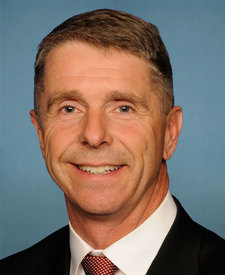
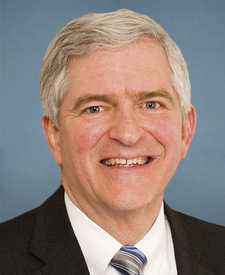
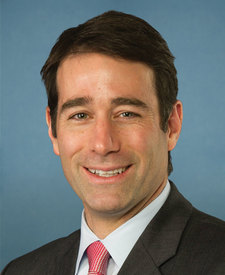
Additional sponsors: Mr. Pappas and Mr. Webster of Florida
Reported with an amendment, committed to the Committee of the …
Mr. Wittman (for himself, Mr. Soto, Mr. Graves of Louisiana, …
Stakeholder Effects
cui bono?How this legislation distributes effects. Mention counts reflect frequency, not effect magnitude.
Commercial fishing operators affected by shark depredation, Recreational anglers and charter fishing operations
Department of Commerce and National Marine Fisheries Service, Regional Fishery Management Councils
Bill Structure & Actor Mappings
Who is "The Secretary" in each section?
- "the_commission"
- → The commission identified in the operative section
- "secretary_of_commerce"
- → Secretary of Commerce
We use a combination of our own taxonomy and classification in addition to large language models to assess meaning and potential beneficiaries. High confidence means strong textual evidence. Always verify with the original bill text.
Learn more about our methodology