To prohibit United States assessed and voluntary contributions to the World Health Organization.
Analysis under review: This bill has generated analysis that may be too generic or incomplete. Clause-level evidence remains available below.
Summary
What This Bill Does
This bill prohibits the United States government from providing any financial contributions to the World Health Organization (WHO). It would immediately cut off both assessed contributions (mandatory membership dues) and voluntary contributions (additional funding for specific programs) upon enactment.
Who Benefits and How
U.S. taxpayers would no longer fund WHO operations, which currently costs the United States approximately $100-200 million annually in assessed contributions plus additional voluntary contributions. Advocates of reduced international spending would see this as redirecting funds that could be used domestically.
Who Bears the Burden and How
The World Health Organization would lose one of its largest funding sources, potentially impacting global health programs including disease surveillance, outbreak response, and vaccination campaigns. Countries that rely on WHO assistance for public health infrastructure could face reduced support. U.S. pharmaceutical and healthcare companies with global operations could face challenges if WHO coordination on international health standards weakens.
Key Provisions
- Prohibits all U.S. assessed contributions to the WHO (mandatory membership dues)
- Prohibits all U.S. voluntary contributions to the WHO (discretionary program funding)
- Takes effect immediately upon enactment
- Overrides any other provision of law that might otherwise authorize such contributions
Evidence Chain:
This summary is generated from the full bill text using AI analysis. Expand "Detailed Analysis" below for identified beneficiaries/burden bearers.
At a Glance
What This Bill Does
This bill aims to prohibit the United States from providing assessed or voluntary contributions to the World Health Organization (WHO).
Key Policy Areas
Healthcare
Primary Purpose
This bill aims to prohibit the United States from providing assessed or voluntary contributions to the World Health Organization (WHO).
Policy Domains
Sponsors
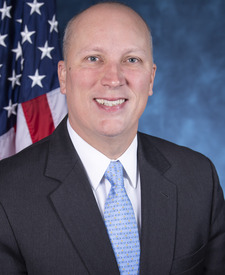
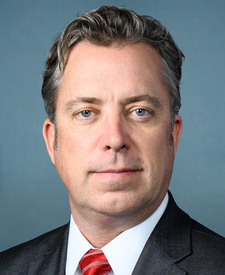


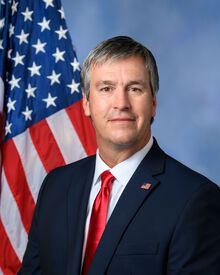
Legislative Progress
IntroducedMr. Roy (for himself, Mr. Higgins of Louisiana, Mr. Biggs …
Stakeholder Effects
cui bono?How this legislation distributes effects. Mention counts reflect frequency, not effect magnitude.
Bill Structure & Actor Mappings
Who is "The Secretary" in each section?
We use a combination of our own taxonomy and classification in addition to large language models to assess meaning and potential beneficiaries. High confidence means strong textual evidence. Always verify with the original bill text.
Learn more about our methodology