Economic Opportunity for Border Communities Act
Summary
What This Bill Does
The Economic Opportunity for Border Communities Act directs the Commerce Secretary to create a national strategy for municipalities within 15 miles of a land port of entry. The strategy's goals are to increase jobs in logistics, international trade, manufacturing, transportation, and agriculture; strengthen U.S. manufacturing competitiveness; reduce export and import costs; and increase workforce development opportunities, including vocational training for those industries. The strategy must assess incentives, including tax incentives, for economic development in border communities; recommend statutory or regulatory changes; coordinate with HUD and USDA on rural housing, infrastructure, and economic development programs; and coordinate with DOT on highway and railway infrastructure. Commerce must report the strategy to Congress within one year. The bill does not itself create new incentives or grants, but it creates an interagency planning and recommendations process for land-port border economies.
Who Benefits and How
Border community employers benefit from a national strategy focused on jobs, trade costs, manufacturing, transportation, logistics, and agriculture. Municipalities near land ports benefit because the definition targets places within 15 miles of a land port of entry. Vocational training providers benefit if the strategy recommends workforce development for border industries. Manufacturing firms in border communities benefit from a federal competitiveness and incentive review.
Who Bears the Burden and How
Commerce Department economic staff must develop the strategy and submit the report within one year. HUD rural housing staff must coordinate on housing and infrastructure programs that support border economies. USDA rural development staff must coordinate on rural infrastructure and economic development options. Transportation Department infrastructure staff must evaluate highway and railway roles in border economic development. Congress must evaluate recommendations for statutory or regulatory changes.
Key Provisions
- Requires a national strategy for economic opportunity in border communities.
- Defines border communities as municipalities not more than 15 miles from a land port of entry.
- Targets jobs in logistics, international trade, manufacturing, transportation, and agriculture.
- Requires assessment of incentives and recommendations for statutory or regulatory changes.
- Requires coordination with HUD, USDA, and DOT on housing, infrastructure, economic development, highways, and railways.
- Requires a congressional report within one year.
Evidence Chain:
This summary is generated from the full bill text using AI analysis. Expand "Detailed Analysis" below for identified beneficiaries/burden bearers with clause-level evidence links.
At a Glance
What This Bill Does
Requires the Commerce Secretary to develop and report to Congress within one year on a national strategy for economic opportunity in municipalities within 15 miles of a land port of entry, with goals for jobs in logistics, international trade, manufacturing, transportation, and agriculture, U.S. manufacturing competitiveness, lower export and import costs, workforce development and vocational training, assessment of economic development incentives including tax incentives, statutory or regulatory recommendations, and coordination with HUD, USDA, and DOT on rural housing, infrastructure, economic development, highways, and railways.
Key Policy Areas
Economic Development, Border Communities, Trade
Primary Purpose
Requires the Commerce Secretary to develop and report to Congress within one year on a national strategy for economic opportunity in municipalities within 15 miles of a land port of entry, with goals for jobs in logistics, international trade, manufacturing, transportation, and agriculture, U.S. manufacturing competitiveness, lower export and import costs, workforce development and vocational training, assessment of economic development incentives including tax incentives, statutory or regulatory recommendations, and coordination with HUD, USDA, and DOT on rural housing, infrastructure, economic development, highways, and railways.
Policy Domains
Resolution provisions
Identified Gains
- Border community employers
- Municipalities near land ports
- Vocational training providers
- Manufacturing firms in border communities
Identified Costs
- Commerce Department economic staff
- HUD rural housing staff
- USDA rural development staff
- Transportation Department infrastructure staff
- Congress
Sponsors
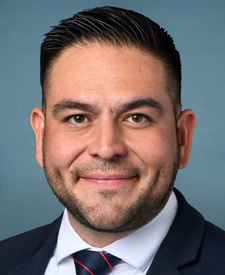


Legislative Progress
In CommitteeReferred to the Subcommittee on Economic Development, Public Buildings, and …
Mr. Vasquez (for himself and Mr. Ciscomani) introduced the following …
Referred to the Committee on Transportation and Infrastructure, and in …
Introduced in House
Stakeholder Effects
cui bono?How this legislation distributes effects. Mention counts reflect frequency, not effect magnitude.
Commerce Department economic staff, HUD rural housing staff, Transportation Department infrastructure staff
Bill Structure & Actor Mappings
Who is "The Secretary" in each section?
We use a combination of our own taxonomy and classification in addition to large language models to assess meaning and potential beneficiaries. High confidence means strong textual evidence. Always verify with the original bill text.
Learn more about our methodology