Commission to Study and Develop Reparation Proposals for African Americans Act
Summary
What This Bill Does
H.R. 40 creates a federal commission to study slavery, its aftermath, and reparations proposals for African Americans. Congress's findings describe slavery of about 4 million Africans and descendants from 1619 to 1865, federal sanction of slavery, the overthrow of Reconstruction, subsequent discriminatory laws and practices including sharecropping, convict leasing, Jim Crow, redlining, unequal education, and criminal justice disparities, and continuing effects on living African Americans. The Commission to Study and Develop Reparation Proposals for African Americans would sit in the legislative branch with 15 members: three appointed by the President, three by the Speaker, three by the Senate President pro tempore, and six from civil society or reparations organizations appointed by the Director and approved by earlier members. Members must be qualified in fields such as African-American studies and reparatory justice, and government officials cannot serve. The Commission must document slavery, government roles, post-1868 discriminatory laws, public and private discrimination, lingering negative effects, possible apology, reparations, and implementation mechanisms. It can hold hearings, take testimony, administer oaths, issue subpoenas by chair and vice-chair agreement or majority vote, seek court enforcement, contract for research or surveys, obtain federal agency information including confidential material, hire staff outside ordinary civil-service rules, receive federal detailees, hire experts, compensate members, and travel. It must report findings and recommendations to Congress, terminate 90 days after that report, and is authorized $20 million.
Who Benefits and How
African American communities benefit from a federal study of slavery, Reconstruction's overthrow, discriminatory laws, and reparations proposals. Reparations advocacy organizations benefit from six commission seats tied to civil society and reparatory justice organizations. African American studies scholars benefit from a formal research and evidence-compilation mandate. Commission members benefit from subpoena, hearing, contract, information-access, staffing, compensation, and travel authority. Congress benefits from a report containing findings and recommendations on apology, reparations, and implementation.
Who Bears the Burden and How
Federal agencies with records must provide information requested by the Commission, including confidential information subject to secure handling. Subpoenaed witnesses must testify or produce documents or risk court enforcement and contempt procedures. Commission staff must compile evidence, run hearings, manage contracts, protect confidential information, and prepare the report. Federal taxpayers bear the authorized $20 million cost. Opponents of reparations may face a formal federal forum developing reparations proposals.
Key Provisions
- Creates a 15-member Commission to Study and Develop Reparation Proposals for African Americans.
- Requires documentation and analysis of slavery, government involvement, post-1868 discrimination, public and private discrimination, and lingering effects.
- Directs the Commission to recommend appropriate remedies, including apology, reparations, and implementation mechanisms.
- Provides hearing, testimony, oath, subpoena, court enforcement, contract, information-access, staff, expert, compensation, and travel powers.
- Requires a report to Congress and terminates the Commission 90 days after submission.
- Authorizes $20,000,000.
Evidence Chain:
This summary is generated from the full bill text using AI analysis. Expand "Detailed Analysis" below for identified beneficiaries/burden bearers with clause-level evidence links.
At a Glance
What This Bill Does
Establishes a 15-member legislative-branch Commission to Study and Develop Reparation Proposals for African Americans to document slavery from 1619 through 1865, government support for slavery, post-1868 discriminatory laws and practices, public and private discrimination, lingering effects, apology and reparations proposals, and implementation mechanisms; gives the Commission hearing, subpoena, contract, information-access, staff, detail, expert, compensation, travel, and reporting powers; requires a report to Congress with findings and recommendations; terminates the Commission 90 days after the report; and authorizes $20,000,000.
Key Policy Areas
Civil Rights, African American History, Reparations
Primary Purpose
Establishes a 15-member legislative-branch Commission to Study and Develop Reparation Proposals for African Americans to document slavery from 1619 through 1865, government support for slavery, post-1868 discriminatory laws and practices, public and private discrimination, lingering effects, apology and reparations proposals, and implementation mechanisms; gives the Commission hearing, subpoena, contract, information-access, staff, detail, expert, compensation, travel, and reporting powers; requires a report to Congress with findings and recommendations; terminates the Commission 90 days after the report; and authorizes $20,000,000.
Policy Domains
Resolution provisions
Identified Gains
- African American communities
- Reparations advocacy organizations
- African American studies scholars
- Commission members
- Congress
Identified Costs
- Federal agencies with records
- Subpoenaed witnesses
- Commission staff
- Federal taxpayers
- Opponents of reparations
Sponsors


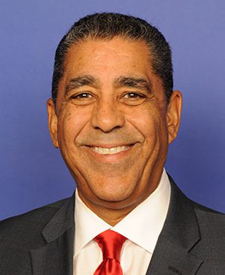

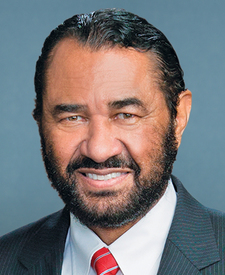
Legislative Progress
In CommitteeMs. Pressley introduced the following bill; which was referred to …
Referred to the House Committee on the Judiciary.
Introduced in House
Stakeholder Effects
cui bono?How this legislation distributes effects. Mention counts reflect frequency, not effect magnitude.
Commission members, Commission staff, Federal agencies with records
African American communities, Reparations advocacy organizations
Bill Structure & Actor Mappings
Who is "The Secretary" in each section?
We use a combination of our own taxonomy and classification in addition to large language models to assess meaning and potential beneficiaries. High confidence means strong textual evidence. Always verify with the original bill text.
Learn more about our methodology