To protect children from oppressive child labor and unsafe workplaces, and for other purposes.
Analysis under review: This bill has generated analysis that may be too generic or incomplete. Clause-level evidence remains available below.
Summary
What This Bill Does
The Protecting Children Act dramatically strengthens federal child labor laws by increasing penalties for violations, creating new enforcement tools, and establishing oversight mechanisms. It responds to recent increases in child labor violations by making it more costly and risky for employers to illegally employ children.
Who Benefits and How
Child workers and their families benefit from stronger protections against dangerous and illegal employment, plus new private rights of action allowing harmed children to sue for damages. Labor enforcement agencies (Department of Labor, OSHA) receive expanded authority and dedicated funding from penalty collections. Child welfare advocates and researchers gain a formal advisory role through the new National Advisory Committee on Child Labor.
Who Bears the Burden and How
Employers who violate child labor laws face dramatically higher penalties: civil fines increase from $11,000 to up to $150,000 per violation (and up to $700,000 for willful violations), while criminal penalties now include up to 15 years imprisonment for knowing violations that endanger children. Industries with documented child labor problems (meatpacking, agriculture, manufacturing) face increased enforcement scrutiny and reporting requirements. All employers of minors face expanded compliance obligations and potential liability for compensatory and punitive damages.
Key Provisions
- Increases civil penalties for child labor violations by 10-15x (from $11,000 max to $150,000-$700,000)
- Creates criminal penalties up to 15 years imprisonment for knowing violations that endanger children, with life imprisonment if a child dies
- Establishes private right of action allowing harmed children to sue for compensatory and punitive damages
- Creates National Advisory Committee on Child Labor and dedicated Child Labor and Safety Fund from collected penalties
- Requires periodic review and updating of hazardous occupation standards
Evidence Chain:
This summary is generated from the full bill text using AI analysis. Expand "Detailed Analysis" below for identified beneficiaries/burden bearers.
At a Glance
What This Bill Does
Strengthens protections against child labor by dramatically increasing civil and criminal penalties for violations, establishing new enforcement mechanisms, creating a National Advisory Committee on Child Labor, and improving research and data collection on child labor practices.
Key Policy Areas
Labor, Child Welfare, Occupational Safety, Criminal Justice
Primary Purpose
Strengthens protections against child labor by dramatically increasing civil and criminal penalties for violations, establishing new enforcement mechanisms, creating a National Advisory Committee on Child Labor, and improving research and data collection on child labor practices.
Policy Domains
Title I - Increasing Accountability for Violations
Identified Gains
Contextual inference, no direct clause citation- Child workers
- Labor enforcement agencies
- Child welfare advocates
Contextual inference, no direct clause citation
Identified Costs
Contextual inference, no direct clause citation- Employers who violate child labor laws
- Meatpacking industry
- Agricultural employers
Contextual inference, no direct clause citation
Title II - Enhancing Implementation
Identified Gains
Contextual inference, no direct clause citation- Child welfare researchers
- Labor Department
- NIOSH
Contextual inference, no direct clause citation
Identified Costs
Contextual inference, no direct clause citation- Employers paying penalties
Contextual inference, no direct clause citation
Title IV - Gathering Information
Identified Gains
Contextual inference, no direct clause citation- Researchers
- Policymakers
- Child welfare organizations
Contextual inference, no direct clause citation
Identified Costs
Contextual inference, no direct clause citation- Labor Department (administrative burden)
Contextual inference, no direct clause citation
Title III - Improving Responsiveness
Identified Gains
Contextual inference, no direct clause citation- Child workers in hazardous occupations
- Child safety advocates
Contextual inference, no direct clause citation
Identified Costs
Contextual inference, no direct clause citation- Industries employing minors in hazardous work
Contextual inference, no direct clause citation
Sponsors
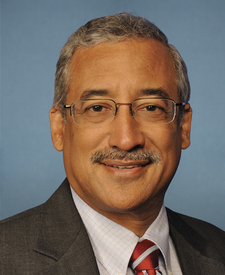

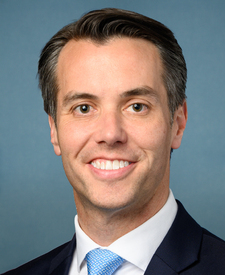
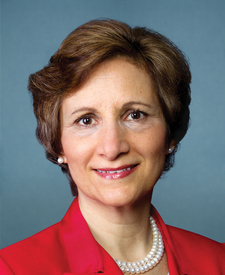
Legislative Progress
IntroducedMr. Scott of Virginia (for himself, Ms. Omar, Ms. Bonamici, …
Stakeholder Effects
cui bono?How this legislation distributes effects. Mention counts reflect frequency, not effect magnitude.
Child workers harmed by violations, Child workers in hazardous conditions, Corporate executives at companies with child labor violations
Positive-direction: Child workers harmed by violations, Child workers in hazardous conditions
Negative-direction: Corporate executives at companies with child labor violations, Employers who knowingly endanger child workers, Employers who violate child labor laws, Industries employing minors in potentially hazardous work
Congress (oversight), Department of Labor, Department of Labor Bureau of Labor Statistics
Child labor victim support organizations, Child welfare advocacy organizations, Child welfare researchers and advocates
Academic researchers studying child labor, Organizations providing child labor training and education, Training and education providers
Chemical manufacturers, Manufacturers using illegal child labor
Agricultural employers using child labor, Meatpacking plants employing minors illegally
Child labor researchers, Research grant recipients
Bill Structure & Actor Mappings
Who is "The Secretary" in each section?
- "the_secretary"
- → Secretary of Labor
- "the_secretary"
- → Secretary of Labor
- "the_secretary_hhs"
- → Secretary of Health and Human Services
- "the_secretary"
- → Secretary of Labor
- "the_secretary"
- → Secretary of Labor
- "the_secretary_hhs"
- → Secretary of Health and Human Services
Key Definitions
Terms defined in this bill
Employment of children under conditions determined by the Secretary to be particularly hazardous or detrimental to their health or well-being
We use a combination of our own taxonomy and classification in addition to large language models to assess meaning and potential beneficiaries. High confidence means strong textual evidence. Always verify with the original bill text.
Learn more about our methodology