Disaster Relief Medicaid Act
Summary
What This Bill Does
The Disaster Relief Medicaid Act creates a standing Medicaid response for disasters. Beginning January 1, 2027, state Medicaid plans must provide medical assistance to relief-eligible survivors during a disaster relief coverage period. Disasters include Stafford Act major disasters with federal individual or public assistance, National Emergencies Act declarations, and Public Health Service Act public health emergencies. CMS and FEMA must post direct impact areas. A relief coverage period runs for two years after the disaster declaration. Eligibility turns on home-state residence at the time of declaration and family income not exceeding the higher of 133 percent of poverty, or for a child under 19 or pregnant individual, the applicable state Medicaid or CHIP income standard. HHS must issue Medicaid director guidance by January 1, 2027 on expedited provider approval and use of out-of-state providers, provide technical assistance for state infrastructure or demonstrations, and report a plan of action within 180 days. HHS must award grants for HCBS emergency response corps in states with a history of hosting disaster evacuees, using trained providers to serve relief-eligible survivors needing home and community-based services. For residents of direct impact areas during relief coverage periods, Medicaid and CHIP federal match is 100 percent, and extra territory payments do not count against statutory caps. Areas hosting significant evacuees can be treated as emergency areas for section 1135 waiver purposes. Disaster relief months are excluded from Medicare Part B late-enrollment penalty calculations for survivors. State plans needing legislation get transition protection. HHS must fund an independent five-year evaluation of access, HCBS, mental health, care coordination, provider capacity, demographics including people with disabilities and pregnant individuals, state compliance, state coordination, provider coordination, and HCBS corps activity, with interim and follow-up reports to Senate Finance, Senate Aging, House Energy and Commerce, and House Ways and Means.
Who Benefits and How
Disaster survivors benefit from Medicaid coverage during a two-year relief period after qualifying disasters, emergencies, or public health emergencies. Pregnant disaster survivors benefit from higher income thresholds where state Medicaid or CHIP pregnancy standards apply. Children in disaster areas benefit from child-specific Medicaid or CHIP income standards during relief coverage periods. People with disabilities after disasters benefit from HCBS emergency response corps and evaluation of home and community-based services. States hosting evacuees benefit from grants to establish or operate HCBS emergency response corps. Direct impact area residents benefit from 100 percent federal Medicaid and CHIP support for covered assistance. Medicare Part B enrollees affected by disasters benefit because relief months are excluded from late-enrollment penalty calculations.
Who Bears the Burden and How
State Medicaid agencies must provide relief coverage, coordinate home-state rules, process survivors, and implement provider or evacuee policies. CMS disaster Medicaid staff must post direct impact areas, issue guidance, provide technical assistance, and oversee 100 percent matching. FEMA website staff must coordinate direct impact area postings with CMS. HHS grant staff must award and oversee HCBS emergency response corps grants. Independent evaluation contractors must conduct a five-year evaluation and prepare interim and follow-up reports. Federal taxpayers bear the cost of new Medicaid coverage, 100 percent matching, CHIP matching, HCBS grants, and evaluation work.
Key Provisions
- Creates Disaster Relief Medicaid for relief-eligible survivors beginning January 1, 2027.
- Provides two-year relief coverage periods after major disasters, national emergencies, or public health emergencies.
- Requires CMS and FEMA to post direct impact areas.
- Requires HHS guidance on expedited provider approval and out-of-state provider use.
- Authorizes grants for HCBS emergency response corps in states hosting disaster evacuees.
- Provides 100 percent Medicaid and CHIP federal matching for direct-impact-area residents during relief periods.
- Treats areas hosting significant evacuees as emergency areas for waiver purposes.
- Excludes disaster relief months from Medicare Part B late-enrollment penalty calculations.
- Requires a five-year independent evaluation with interim and follow-up reports.
Evidence Chain:
This summary is generated from the full bill text using AI analysis. Expand "Detailed Analysis" below for identified beneficiaries/burden bearers with clause-level evidence links.
At a Glance
What This Bill Does
Creates Disaster Relief Medicaid beginning January 1, 2027 for relief-eligible disaster survivors during two-year relief coverage periods after major disasters, national emergencies, or public health emergencies; requires CMS and FEMA to post direct impact areas; provides Medicaid eligibility based on income thresholds and home-state rules; requires HHS guidance on expedited provider approval and out-of-state care, technical assistance, and a 180-day action plan; authorizes grants for HCBS emergency response corps in states hosting disaster evacuees; provides 100 percent FMAP for Medicaid and CHIP assistance to direct-impact-area residents and disregards extra territory payments from caps; treats areas hosting significant evacuees as emergency areas for waiver purposes; excludes disaster relief coverage months from Medicare Part B late-enrollment penalty calculations; sets state-legislation transition rules; and requires a five-year independent evaluation with interim and follow-up reports.
Key Policy Areas
Medicaid, Disaster Recovery, Public Health
Primary Purpose
Creates Disaster Relief Medicaid beginning January 1, 2027 for relief-eligible disaster survivors during two-year relief coverage periods after major disasters, national emergencies, or public health emergencies; requires CMS and FEMA to post direct impact areas; provides Medicaid eligibility based on income thresholds and home-state rules; requires HHS guidance on expedited provider approval and out-of-state care, technical assistance, and a 180-day action plan; authorizes grants for HCBS emergency response corps in states hosting disaster evacuees; provides 100 percent FMAP for Medicaid and CHIP assistance to direct-impact-area residents and disregards extra territory payments from caps; treats areas hosting significant evacuees as emergency areas for waiver purposes; excludes disaster relief coverage months from Medicare Part B late-enrollment penalty calculations; sets state-legislation transition rules; and requires a five-year independent evaluation with interim and follow-up reports.
Policy Domains
Resolution provisions
Identified Gains
- Disaster survivors
- Pregnant disaster survivors
- Children in disaster areas
- People with disabilities after disasters
- States hosting evacuees
- Direct impact area residents
- Medicare Part B enrollees affected by disasters
Identified Costs
- State Medicaid agencies
- CMS disaster Medicaid staff
- FEMA website staff
- HHS grant staff
- Independent evaluation contractors
- Federal taxpayers
Sponsors

Legislative Progress
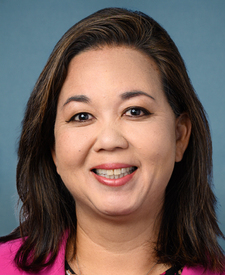
In CommitteeMr. Panetta (for himself and Ms. Tokuda) introduced the following …
Referred to the Committee on Energy and Commerce, and in …
Introduced in House
Stakeholder Effects
cui bono?How this legislation distributes effects. Mention counts reflect frequency, not effect magnitude.
Disaster survivors, Medicare Part B enrollees affected by disasters, Pregnant disaster survivors
CMS disaster Medicaid staff, FEMA website staff, HHS grant staff
State Medicaid agencies, States hosting evacuees
Positive-direction: States hosting evacuees
Negative-direction: State Medicaid agencies
Bill Structure & Actor Mappings
Who is "The Secretary" in each section?
We use a combination of our own taxonomy and classification in addition to large language models to assess meaning and potential beneficiaries. High confidence means strong textual evidence. Always verify with the original bill text.
Learn more about our methodology