To amend chapter 31 of title 31, United States Code, to provide procedures for congressional disapproval of the issuance of additional debt.
Analysis under review: This bill has generated analysis that may be too generic or incomplete. Clause-level evidence remains available below.
Summary
What This Bill Does
This bill, To amend chapter 31 of title 31, United States Code, to provide procedures for congressional disapproval of the issuance of additional debt., changes federal law or congressional policy affecting federal agencies and legislative administrators. The main policy domain is Government Operations, Finance, Transportation.
Who Benefits and How
federal agencies and legislative administrators may benefit from new authority, funding, eligibility, regulatory clarity, or reduced risk created by the bill.
Who Bears the Burden and How
federal implementing agencies may take on implementation duties, reporting obligations, compliance costs, or oversight responsibilities.
Key Provisions
- Section H39502637A4AF42B6B6642408867147C7: 1. Short title This Act may be cited as the Debt Ceiling Reform Act.
- Section H6EBEAF5B4ADD4821AE98B8C613EC7756: 2. Procedures for congressional disapproval of issuance of additional debt Section 3101 of title 31, United States Code, is amended to read as follows:...
- Section H72651AAE67FB4AAB830EB0FDB07AE836: 3101. Public debt limit In this section, the term joint resolution means a joint resolution— that is introduced during the period— beginning on the date on...
- Section HBB58C707C2FC4B1F8505CEBDF6695858: 3. Repeal of expired provision Section 3101A of title 31, United States Code, is repealed. The table of sections for subchapter I of chapter 31 of title 31,...
- Section H902EF339A70A486CA48A223D1D3EF2C7: 4. Technical and conforming amendments Section 8348 of title 5, United States Code, is amended by striking subsections (j), (k), and (l). Section 8438 of title...
Evidence Chain:
This summary is generated from the full bill text using AI analysis. Expand "Detailed Analysis" below for identified beneficiaries/burden bearers with clause-level evidence links.
At a Glance
What This Bill Does
This bill, To amend chapter 31 of title 31, United States Code, to provide procedures for congressional disapproval of the issuance of additional debt., changes federal law or congressional policy affecting federal agencies and legislative administrators.
Key Policy Areas
Government Operations, Finance, Transportation
Primary Purpose
This bill, To amend chapter 31 of title 31, United States Code, to provide procedures for congressional disapproval of the issuance of additional debt., changes federal law or congressional policy affecting federal agencies and legislative administrators.
Policy Domains
Whole bill
Identified Gains
- federal agencies and legislative administrators
Identified Costs
- federal implementing agencies
Sponsors



Legislative Progress
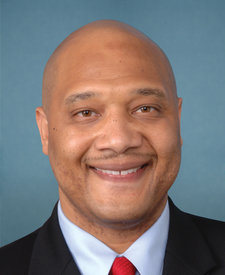
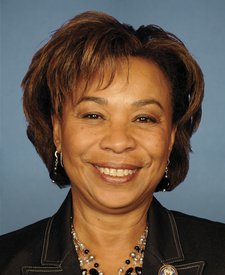
IntroducedMr. Boyle of Pennsylvania (for himself, Ms. Barragán, Ms. Lee …
Impact analysis is available but no clear stakeholder effects identified. View clause-level analysis →
Bill Structure & Actor Mappings
Who is "The Secretary" in each section?
- "secretary_of_treasury"
- → Secretary of the Treasury
Key Definitions
Terms defined in this bill
a joint resolution— that is introduced during the period— beginning on the date on which a certification under subsection (b)(1) is received
a joint resolution— that is introduced during the period— beginning on the date on which a certification under subsection (b)(1) is received
We use a combination of our own taxonomy and classification in addition to large language models to assess meaning and potential beneficiaries. High confidence means strong textual evidence. Always verify with the original bill text.
Learn more about our methodology