Keeping Obstetrics Local Act
Summary
What This Bill Does
The Keeping Obstetrics Local Act attacks rural and underserved maternity-care loss from several angles. States must study the cost of providing maternity, labor, and delivery services at applicable hospitals within 24 months and every five years, including hospitals that recently stopped labor and delivery, payment rates by Medicare, Medicaid, CHIP, commercial insurers, and uninsured patients, and effects of geography, demographics, and local economics; HHS must report nationally. Beginning in fiscal year 2027, Medicaid programs must pay eligible hospitals at no less than a minimum rate for maternity, labor, and delivery services, including inpatient and outpatient services related to maternity care, labor, delivery, behavioral health, and services supporting births outside the hospital. Eligible hospitals include rural hospitals, critical access hospitals, IHS or Tribal hospitals, hospitals with at least 50 percent Medicaid births, low-volume obstetric hospitals, and essential community hospitals. The federal government covers 100 percent of enhanced Medicaid payment amounts and enhanced FMAP for base amounts, and the bill creates anchor payments for low-volume obstetric hospitals. Parallel rules apply to CHIP, and added payments are disregarded for other supplemental payment or upper-payment-limit calculations. The bill makes 12-month full-benefit postpartum Medicaid and CHIP coverage mandatory, creates an optional maternity health home for pregnant and postpartum Medicaid beneficiaries beginning January 1, 2028, directs HHS to guide states on doula, certified nurse midwife, certified midwife, certified professional midwife, and maternal health professional coverage, increases federal support for perinatal and postpartum depression and anxiety screening, and makes presumptive eligibility for pregnant women mandatory. It expands Public Health Service Commissioned Corps deployment authority for urgent maternal health care needs caused by hospital closure, imminent closure, or loss of maternity workers. States must streamline Medicaid and CHIP enrollment for eligible low-risk neighboring-state maternity providers for five-year periods. Hospitals must give HHS, state and local agencies, and communities at least 180 days notice before closing obstetric units with impact reports, causes, transportation costs, and gap-mitigation steps. Medicare cost reports must collect birth counts, cesarean and vaginal births, transfers, labor and delivery staffing, expenses, on-call spending, and revenue by Medicaid, other coverage, and uninsured patients.
Who Benefits and How
Rural pregnant patients benefit because Medicaid payment floors, maternity health homes, presumptive eligibility, postpartum coverage, and provider enrollment rules target maternity-service access gaps. Eligible rural hospitals benefit from Medicaid minimum payment rates, enhanced federal matching, anchor payments, and payment protections for obstetric services. Critical access hospitals benefit from higher obstetric payment support and labor-delivery cost reporting that can document financial pressure. Indian Health Service hospitals benefit because they are included in eligible-hospital payment protections. Pregnant Medicaid beneficiaries benefit from mandatory 12-month full-benefit postpartum coverage and optional maternity health homes. Doulas and midwives benefit from HHS guidance on Medicaid and CHIP coverage across rural areas, provider settings, and care models. Communities facing obstetric-unit closure benefit from 180-day notice, impact reports, transportation-cost data, and service-gap planning.
Who Bears the Burden and How
State Medicaid agencies must conduct recurring cost studies, implement minimum payment rates, cover postpartum benefits, process presumptive eligibility, and streamline neighboring-state provider enrollment. HHS maternal health staff must issue service definitions, national reports, health-home standards, doula guidance, screening support rules, and closure-notice requirements. Hospitals planning obstetric-unit closures must submit 180-day notices and community impact reports before shutting units. Medicaid managed care plans must reflect adequate maternity payment requirements in network and payment arrangements. Federal taxpayers bear the cost of 100 percent federal matching for enhanced payments, enhanced FMAP, postpartum coverage, health homes, screenings, and administrative work. Hospital cost-reporting staff must report births, transfers, staffing, expenses, on-call spending, and revenue sources for labor and delivery services.
Key Provisions
- Requires state maternity, labor, and delivery cost studies within 24 months and every five years.
- Requires Medicaid minimum payment rates for maternity, labor, and delivery services at eligible hospitals starting fiscal year 2027.
- Provides 100 percent federal matching for enhanced Medicaid obstetric payments and enhanced FMAP for base amounts.
- Creates anchor payments for low-volume obstetric hospitals and applies adequate-payment rules to CHIP.
- Requires 12-month full-benefit postpartum Medicaid and CHIP coverage.
- Creates optional Medicaid maternity health homes for pregnant and postpartum individuals beginning January 1, 2028.
- Directs HHS guidance on doula, midwife, and maternal health professional coverage.
- Improves federal support for perinatal and postpartum depression or anxiety screening.
- Requires presumptive eligibility for pregnant individuals.
- Authorizes Commissioned Corps support for urgent maternal-health needs from facility closure or workforce loss.
- Streamlines neighboring-state maternity provider enrollment for five-year periods.
- Requires 180-day notices and impact reports before hospital obstetric-unit closures.
- Requires labor and delivery data in Medicare hospital cost reports beginning July 1, 2026.
Evidence Chain:
This summary is generated from the full bill text using AI analysis. Expand "Detailed Analysis" below for identified beneficiaries/burden bearers with clause-level evidence links.
At a Glance
What This Bill Does
Creates a broad maternal-health access package requiring recurring state studies and HHS reports on maternity, labor, and delivery costs; Medicaid minimum payment rates for eligible rural, critical access, Indian Health Service, high-Medicaid, low-volume obstetric, or essential community hospitals beginning fiscal year 2027; 100 percent federal matching for enhanced Medicaid obstetric payments and enhanced FMAP for base payments; anchor payments for low-volume obstetric hospitals; CHIP application of adequate-payment and federal-match rules; exclusion of these payments from other supplemental-payment and upper-payment-limit calculations; mandatory 12-month full-benefit postpartum Medicaid and CHIP coverage; optional maternity health homes starting January 1, 2028; HHS guidance on doula and midwife coverage; increased Medicaid and CHIP support for depression and anxiety screening; mandatory presumptive eligibility for pregnant individuals; Commissioned Corps support for urgent maternal-health needs; streamlined five-year enrollment for eligible neighboring-state maternity providers; 180-day notices before hospital obstetric-unit closures; and Medicare cost-report data on births, transfers, staffing, expenses, on-call coverage, and revenue sources.
Key Policy Areas
Maternal Health, Medicaid, Rural Hospitals
Primary Purpose
Creates a broad maternal-health access package requiring recurring state studies and HHS reports on maternity, labor, and delivery costs; Medicaid minimum payment rates for eligible rural, critical access, Indian Health Service, high-Medicaid, low-volume obstetric, or essential community hospitals beginning fiscal year 2027; 100 percent federal matching for enhanced Medicaid obstetric payments and enhanced FMAP for base payments; anchor payments for low-volume obstetric hospitals; CHIP application of adequate-payment and federal-match rules; exclusion of these payments from other supplemental-payment and upper-payment-limit calculations; mandatory 12-month full-benefit postpartum Medicaid and CHIP coverage; optional maternity health homes starting January 1, 2028; HHS guidance on doula and midwife coverage; increased Medicaid and CHIP support for depression and anxiety screening; mandatory presumptive eligibility for pregnant individuals; Commissioned Corps support for urgent maternal-health needs; streamlined five-year enrollment for eligible neighboring-state maternity providers; 180-day notices before hospital obstetric-unit closures; and Medicare cost-report data on births, transfers, staffing, expenses, on-call coverage, and revenue sources.
Policy Domains
Resolution provisions
Identified Gains
- Rural pregnant patients
- Eligible rural hospitals
- Critical access hospitals
- Indian Health Service hospitals
- Pregnant Medicaid beneficiaries
- Doulas
- Midwives
- Communities facing obstetric-unit closure
Identified Costs
- State Medicaid agencies
- HHS maternal health staff
- Hospitals planning obstetric-unit closures
- Medicaid managed care plans
- Federal taxpayers
- Hospital cost-reporting staff
Sponsors
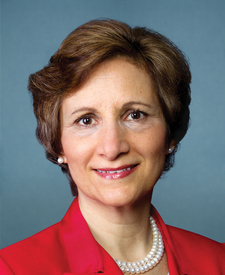
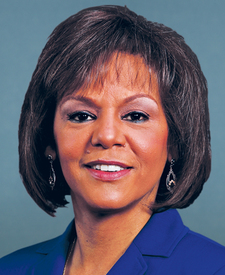
Legislative Progress
In CommitteeMs. Bonamici (for herself and Ms. Kelly of Illinois) introduced …
Referred to the Committee on Energy and Commerce, and in …
Introduced in House
Stakeholder Effects
cui bono?How this legislation distributes effects. Mention counts reflect frequency, not effect magnitude.
Critical access hospitals, Eligible rural hospitals, Hospital cost-reporting staff
Positive-direction: Critical access hospitals, Eligible rural hospitals
Negative-direction: Hospital cost-reporting staff, Hospitals planning obstetric-unit closures
Doulas, Midwives, Rural pregnant patients
Pregnant Medicaid beneficiaries
Communities facing obstetric-unit closure
Bill Structure & Actor Mappings
Who is "The Secretary" in each section?
We use a combination of our own taxonomy and classification in addition to large language models to assess meaning and potential beneficiaries. High confidence means strong textual evidence. Always verify with the original bill text.
Learn more about our methodology