To designate residents of the Xinjiang Uyghur Autonomous Region as Priority 2 refugees of special humanitarian concern, and for other purposes.
Analysis under review: This bill has generated analysis that may be too generic or incomplete. Clause-level evidence remains available below.
Summary
What This Bill Does
This bill, To designate residents of the Xinjiang Uyghur Autonomous Region as Priority 2 refugees of special humanitarian concern, and for other purposes., changes federal law or congressional policy affecting immigrants, border agencies, and immigration-service providers. The main policy domain is Immigration, Foreign Policy, Government Operations.
Who Benefits and How
immigrants, border agencies, and immigration-service providers may benefit from new authority, funding, eligibility, regulatory clarity, or reduced risk created by the bill.
Who Bears the Burden and How
federal implementing agencies, immigrants, border agencies, and immigration-service providers may take on implementation duties, reporting obligations, compliance costs, or oversight responsibilities.
Key Provisions
- Section HFA868769B3984BB2B184997499DF30D6: 1. Short title This Act may be cited as the Uyghur Human Rights Protection Act.
- Section H3051DA0BBCA746B692AD96106CE7F811: 2. Findings Congress makes the following findings: The Government of the People’s Republic of China has a long history of repressing Turkic Muslims and other...
- Section HFAEC07D1D83C417B82200B7CCBCCE9B9: 3. Designation of certain residents of the Xinjiang Uyghur Autonomous Region Persons of special humanitarian concern eligible for Priority 2 processing under...
- Section HA050CCEA51A84ED1996BAECBECFA1A2B: 4. Waiver of immigrant status presumption The presumption under the first sentence of section 214(b) of the Immigration and Nationality Act (8 U.S.C. 1184(b))...
- Section HE069CB0BECCD46BDA3EBDE8CFC855B6B: 5. Refugee and asylum determinations under the Immigration and Nationality Act In the case of an alien who is within a category of aliens established under...
Evidence Chain:
This summary is generated from the full bill text using AI analysis. Expand "Detailed Analysis" below for identified beneficiaries/burden bearers with clause-level evidence links.
At a Glance
What This Bill Does
This bill, To designate residents of the Xinjiang Uyghur Autonomous Region as Priority 2 refugees of special humanitarian concern, and for other purposes., changes federal law or congressional policy affecting immigrants, border agencies, and immigration-service providers.
Key Policy Areas
Immigration, Foreign Policy, Government Operations
Primary Purpose
This bill, To designate residents of the Xinjiang Uyghur Autonomous Region as Priority 2 refugees of special humanitarian concern, and for other purposes., changes federal law or congressional policy affecting immigrants, border agencies, and immigration-service providers.
Policy Domains
Whole bill
Identified Gains
- immigrants, border agencies, and immigration-service providers
Identified Costs
- federal implementing agencies
- immigrants, border agencies, and immigration-service providers
Sponsors



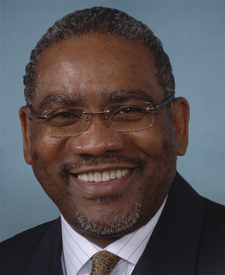

Legislative Progress
IntroducedMs. Wexton (for herself, Ms. Salazar, Mr. Meeks, Mr. Beyer, …
Impact analysis is available but no clear stakeholder effects identified. View clause-level analysis →
Bill Structure & Actor Mappings
Who is "The Secretary" in each section?
- "the_commission"
- → The commission identified in the operative section
- "secretary_of_homeland_security"
- → Secretary of Homeland Security
We use a combination of our own taxonomy and classification in addition to large language models to assess meaning and potential beneficiaries. High confidence means strong textual evidence. Always verify with the original bill text.
Learn more about our methodology