SAFE Cities Act
Summary
What This Bill Does
The SAFE Cities Act creates a federal designation process for what it calls anarchist jurisdictions. Within 14 days of enactment, the Attorney General, consulting the Homeland Security Secretary and OMB Director, must publish on DOJ's website a list of states or local governments that refused to take reasonable steps to stop violence and property destruction. DOJ must update the list at least every 180 days. The criteria include policies or practices that prevent law-enforcement agencies from restoring order during widespread or sustained violence, preventing lawful policing of a geographic area or structure except for a tactical temporary decision, disempowering or defunding a law-enforcement agency, or unreasonably refusing federal law-enforcement assistance. Within 30 days, OMB must tell federal agency heads how to restrict eligibility for, or otherwise disfavor, listed jurisdictions for federal grants where the agency has enough legal discretion. The practical effect is to turn a public-safety designation into a federal-grant eligibility pressure tool.
Who Benefits and How
Law enforcement agencies benefit if the designation discourages state or local policies that restrict police intervention during sustained violence. Federal grant overseers benefit from a DOJ list and OMB guidance for applying discretionary grant limits. Residents seeking stronger policing benefit if local officials respond to the grant pressure by changing public-safety policies. Federal taxpayers benefit if discretionary grants are withheld from jurisdictions DOJ deems unwilling to stop violence or property destruction.
Who Bears the Burden and How
State governments labeled anarchist may lose eligibility or receive unfavorable treatment for discretionary federal grants. Local governments labeled anarchist may face grant restrictions, reputational damage, and pressure to change policing policy. Attorney General staff must create, publish, and update the DOJ list at least every 180 days. OMB grant officials must issue guidance to federal agencies within 30 days. Federal agency grant staff must apply the guidance within each program's lawful discretion.
Key Provisions
- Requires DOJ to publish a list of anarchist jurisdictions within 14 days.
- Requires list updates at least every 180 days.
- Defines designation criteria around policing restrictions, police access, defunding, and refusal of federal help.
- Directs OMB to guide agencies on restricting or disfavoring discretionary federal grants to listed jurisdictions.
Evidence Chain:
This summary is generated from the full bill text using AI analysis. Expand "Detailed Analysis" below for identified beneficiaries/burden bearers with clause-level evidence links.
At a Glance
What This Bill Does
Requires DOJ to publish and update a list of anarchist jurisdictions within 14 days and at least every 180 days, using criteria tied to restrictions on law-enforcement intervention, blocked policing access, defunding or disempowering police, and refusal of federal law-enforcement help, and requires OMB guidance to restrict or disfavor discretionary federal grants to listed jurisdictions where legally permitted.
Key Policy Areas
Public Safety, Federal Grants, Intergovernmental Affairs
Primary Purpose
Requires DOJ to publish and update a list of anarchist jurisdictions within 14 days and at least every 180 days, using criteria tied to restrictions on law-enforcement intervention, blocked policing access, defunding or disempowering police, and refusal of federal law-enforcement help, and requires OMB guidance to restrict or disfavor discretionary federal grants to listed jurisdictions where legally permitted.
Policy Domains
Resolution provisions
Identified Gains
- Law enforcement agencies
- Federal grant overseers
- Residents seeking stronger policing
- Federal taxpayers
Identified Costs
- State governments labeled anarchist
- Local governments labeled anarchist
- Attorney General staff
- OMB grant officials
- Federal agency grant staff
Sponsors



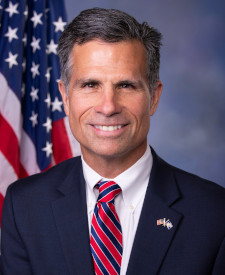
Legislative Progress
In CommitteeMr. Wied (for himself, Mr. Tiffany, Mr. Collins, Mr. Timmons, …
Referred to the Committee on the Judiciary, and in addition …
Introduced in House
Stakeholder Effects
cui bono?How this legislation distributes effects. Mention counts reflect frequency, not effect magnitude.
Attorney General staff, Federal agency grant staff, Federal grant overseers
Local governments labeled anarchist, State governments labeled anarchist
Bill Structure & Actor Mappings
Who is "The Secretary" in each section?
We use a combination of our own taxonomy and classification in addition to large language models to assess meaning and potential beneficiaries. High confidence means strong textual evidence. Always verify with the original bill text.
Learn more about our methodology