RNs for Rural Health Act of 2025
Summary
What This Bill Does
The RNs for Rural Health Act expands Medicare rural health clinic service rules. It amends the rural health clinic definition to include personalized prevention plan services, as defined for Medicare annual wellness visits, when furnished by a registered nurse licensed in the state where services are performed. It also covers related services and supplies furnished incident to those registered nurse services if they would otherwise be covered when furnished by a physician or incident to a physician's service. The change applies to items and services furnished on or after enactment. The bill is aimed at letting rural health clinics use registered nurses to deliver Medicare annual wellness visit prevention planning rather than relying only on physician-based coverage paths.
Who Benefits and How
Medicare beneficiaries in rural areas benefit from more access to annual wellness visit prevention planning at rural health clinics. Rural health clinics benefit from Medicare coverage when registered nurses furnish personalized prevention plan services. Registered nurses benefit from recognition as covered providers for these rural clinic wellness services. Rural primary care physicians benefit if nurses can share annual wellness visit workload.
Who Bears the Burden and How
CMS rural health policy staff must update Medicare coverage rules for registered nurse wellness services. Medicare administrative contractors must process rural health clinic claims under the new coverage category. Rural health clinic billing staff must document RN licensure, prevention plan services, and incident-to supplies. Medicare trust funds may bear higher utilization costs if access increases.
Key Provisions
- Expands Medicare rural health clinic coverage to registered nurse personalized prevention plan services.
- Requires the registered nurse to be licensed in the state where services are performed.
- Covers related supplies and services that would otherwise be covered if furnished by or incident to a physician.
- Applies the amendments to items and services furnished on or after enactment.
Evidence Chain:
This summary is generated from the full bill text using AI analysis. Expand "Detailed Analysis" below for identified beneficiaries/burden bearers with clause-level evidence links.
At a Glance
What This Bill Does
Allows Medicare rural health clinic coverage for personalized prevention plan services, including annual wellness visit services, when furnished by a state-licensed registered nurse and related incident-to supplies that would otherwise be covered if furnished by or incident to a physician, effective for items and services furnished on or after enactment.
Key Policy Areas
Medicare, Rural Health, Nursing
Primary Purpose
Allows Medicare rural health clinic coverage for personalized prevention plan services, including annual wellness visit services, when furnished by a state-licensed registered nurse and related incident-to supplies that would otherwise be covered if furnished by or incident to a physician, effective for items and services furnished on or after enactment.
Policy Domains
Resolution provisions
Identified Gains
- Medicare beneficiaries in rural areas
- Rural health clinics
- Registered nurses
- Rural primary care physicians
Identified Costs
- CMS rural health policy staff
- Medicare administrative contractors
- Rural health clinic billing staff
- Medicare trust funds
Sponsors
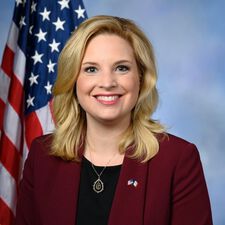
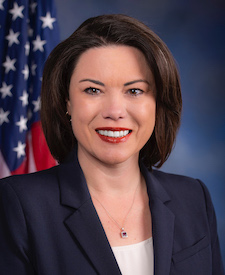

Legislative Progress
In CommitteeMrs. Hinson (for herself and Ms. Scholten) introduced the following …
Referred to the Committee on Energy and Commerce, and in …
Introduced in House
Stakeholder Effects
cui bono?How this legislation distributes effects. Mention counts reflect frequency, not effect magnitude.
Rural health clinic billing staff, Rural health clinics
Positive-direction: Rural health clinics
Negative-direction: Rural health clinic billing staff
Registered nurses, Rural primary care physicians
Medicare beneficiaries in rural areas
Bill Structure & Actor Mappings
Who is "The Secretary" in each section?
We use a combination of our own taxonomy and classification in addition to large language models to assess meaning and potential beneficiaries. High confidence means strong textual evidence. Always verify with the original bill text.
Learn more about our methodology