Elder Pride Protection Act of 2025
Summary
What This Bill Does
The Elder Pride Protection Act creates a DOJ task force focused on abuse of LGBTQI+ people age 60 or older. Within 90 days, the Attorney General must establish the Elder LGBTQI+ Defense and Enhance Resources Task Force, or ELDER Task Force, with members from DOJ's Elder Justice Initiative and Civil Rights Division. The task force must study increased elder abuse against LGBTQI+ individuals, develop best practices for a national response, develop best practices for state and local law enforcement, create educational materials on preventing and responding to LGBTQI+ elder abuse, distribute those materials, and coordinate local, state, and federal law-enforcement responses. Within one year, it must report progress to the House and Senate Judiciary Committees. The bill defines LGBTQI+ individuals and elder abuse, including physical abuse, sexual abuse, emotional or psychological abuse, neglect of basic needs, and financial abuse.
Who Benefits and How
LGBTQI+ elders benefit from a DOJ task force focused on abuse prevention, response materials, and law-enforcement coordination. State law enforcement agencies benefit from best practices for identifying and responding to LGBTQI+ elder abuse. Local victim-service providers benefit from DOJ educational materials on abuse, neglect, isolation, and financial exploitation. Civil rights organizations benefit from federal recognition of abuse risks facing older LGBTQI+ people.
Who Bears the Burden and How
DOJ Elder Justice Initiative staff must staff the task force, study abuse patterns, and help prepare best practices. DOJ Civil Rights Division staff must coordinate task-force work and law-enforcement response. State and local law enforcement agencies may need to adjust training and response practices. Congressional judiciary staff must review the one-year task-force progress report.
Key Provisions
- Requires DOJ to create the ELDER Task Force within 90 days.
- Directs the task force to study elder abuse against LGBTQI+ individuals.
- Requires national and state-local law-enforcement best practices.
- Requires educational materials on preventing and responding to LGBTQI+ elder abuse.
- Requires coordination of local, state, and federal law-enforcement responses.
- Requires a progress report to judiciary committees within one year.
Evidence Chain:
This summary is generated from the full bill text using AI analysis. Expand "Detailed Analysis" below for identified beneficiaries/burden bearers with clause-level evidence links.
At a Glance
What This Bill Does
Requires DOJ to establish, within 90 days, an Elder LGBTQI+ Defense and Enhance Resources Task Force staffed from the Elder Justice Initiative and Civil Rights Division to study LGBTQI+ elder abuse, develop national and law-enforcement best practices, create and distribute prevention and response materials, coordinate federal, state, and local law enforcement, and report to judiciary committees within one year.
Key Policy Areas
Elder Justice, Civil Rights, Law Enforcement
Primary Purpose
Requires DOJ to establish, within 90 days, an Elder LGBTQI+ Defense and Enhance Resources Task Force staffed from the Elder Justice Initiative and Civil Rights Division to study LGBTQI+ elder abuse, develop national and law-enforcement best practices, create and distribute prevention and response materials, coordinate federal, state, and local law enforcement, and report to judiciary committees within one year.
Policy Domains
Resolution provisions
Identified Gains
- LGBTQI+ elders
- State law enforcement agencies
- Local victim-service providers
- Civil rights organizations
Identified Costs
- DOJ Elder Justice Initiative staff
- DOJ Civil Rights Division staff
- Local law enforcement agencies
- Congressional judiciary staff
Sponsors
Legislative Progress
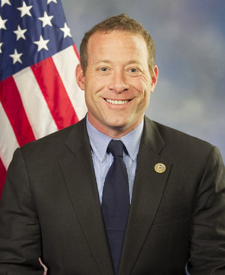
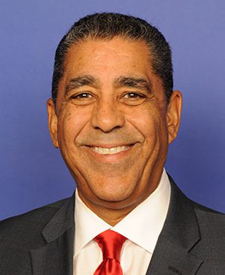
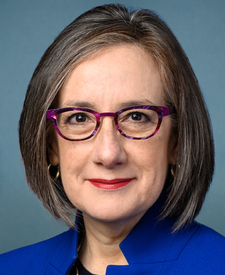
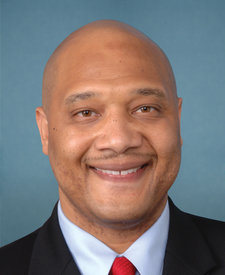
In CommitteeMr. Gottheimer (for himself, Ms. Craig, Mr. Johnson of Georgia, …
Referred to the House Committee on the Judiciary.
Introduced in House
Stakeholder Effects
cui bono?How this legislation distributes effects. Mention counts reflect frequency, not effect magnitude.
Civil rights organizations, LGBTQI+ elders
Local law enforcement agencies, State law enforcement agencies
DOJ Civil Rights Division staff, DOJ Elder Justice Initiative staff
Bill Structure & Actor Mappings
Who is "The Secretary" in each section?
We use a combination of our own taxonomy and classification in addition to large language models to assess meaning and potential beneficiaries. High confidence means strong textual evidence. Always verify with the original bill text.
Learn more about our methodology