Drones for First Responders Act
Summary
What This Bill Does
The Drones for First Responders Act responds to Congress's finding that unmanned aircraft made in the People's Republic of China dominate the U.S. market and create national security and supply-chain risks for first responders, critical infrastructure providers, and agricultural users. It creates additional Harmonized Tariff Schedule duties on Chinese unmanned aircraft classified under heading 8806. The tariff starts at 30 percent 30 days after enactment, rises to 35 percent after one year, 40 percent after two years, 45 percent after three years, and becomes $100 per unit plus 50 percent after four years. The additional duties apply on top of other duties, including antidumping and countervailing duties.
Beginning January 1, 2031, the bill bars entry of heading 8806 unmanned aircraft unless documentation required by U.S. Customs and Border Protection shows the aircraft does not contain specified Chinese-made flight controllers, radios, data transmission devices, cameras, gimbals, ground control systems, operating software, network connectivity hardware, or data storage, and CBP verifies that documentation. A limited exemption applies for certain aircraft previously authorized by the Federal Aviation Administration for part 135 operations or section 44807 exemptions, if they are not manufactured wholly by a covered foreign entity or in a foreign adversary country.
The bill establishes the Secure Unmanned Aircraft Systems for First Responders Fund in the Treasury. Tariff proceeds go into the fund and support a Department of Homeland Security grant program for secure unmanned aircraft systems. Sixty percent of grant funding is reserved for first responders, 20 percent for farmers and ranchers, and 20 percent for critical infrastructure providers. The program prioritizes applicants in states or localities that restrict drones based on country of origin or manufacturer and requires annual reports to Congress.
Who Benefits and How
U.S. and allied unmanned aircraft manufacturers benefit from higher tariffs and origin restrictions on Chinese drones, which improve their competitive position in the domestic market. First responder agencies, farmers, ranchers, and critical infrastructure providers benefit from grants to buy or lease secure unmanned aircraft systems and support related operational and program-management capabilities. CBP gains statutory authority to require and verify origin documentation for drone components, and DHS gains a dedicated fund for secure drone grants.
Who Bears the Burden and How
Chinese drone manufacturers and U.S. importers of Chinese unmanned aircraft bear higher tariff costs, rising from 30 percent to a $100-per-aircraft plus 50 percent duty. Drone distributors, public agencies, farms, and infrastructure operators that continue buying Chinese drones could face higher purchase prices. CBP must administer the new tariff subheadings, review component-origin documentation, and verify compliance. FAA must identify qualifying aircraft for the limited exemption, and DHS must build and report on the grant program.
Key Provisions
- Adds escalating additional duties on Chinese unmanned aircraft under HTS heading 8806, starting at 30 percent and rising to $100 per aircraft plus 50 percent after four years.
- Requires the new drone duties to apply in addition to other China duties, temporary-duty provisions, antidumping duties, countervailing duties, fees, exactions, and charges.
- Bars entry after January 1, 2031, for unmanned aircraft containing specified Chinese-made controllers, radios, data systems, cameras, gimbals, software, network hardware, or storage unless CBP verifies required documentation.
- Limits the FAA-authorized aircraft exemption to drones that are not manufactured wholly by a covered foreign entity or in a foreign adversary country.
- Creates a Treasury fund for tariff proceeds and a DHS grant program for secure unmanned aircraft systems.
- Directs grant funding 60 percent to first responders, 20 percent to farmers and ranchers, and 20 percent to critical infrastructure providers.
- Provides covered-foreign-entity definitions using federal screening, Chinese military company, Treasury, DHS forced-labor, and American Security Drone Act lists.
Evidence Chain:
This summary is generated from the full bill text using AI analysis. Expand "Detailed Analysis" below for identified beneficiaries/burden bearers with clause-level evidence links.
At a Glance
What This Bill Does
Raises tariffs and origin controls on Chinese unmanned aircraft, restricts entry of drones containing specified Chinese components after 2030, and uses the tariff proceeds to fund grants for secure drone systems used by first responders, farmers, ranchers, and critical infrastructure providers.
Key Policy Areas
Trade, Tariffs, Public Safety, Homeland Security, Unmanned Aircraft
Primary Purpose
Raises tariffs and origin controls on Chinese unmanned aircraft, restricts entry of drones containing specified Chinese components after 2030, and uses the tariff proceeds to fund grants for secure drone systems used by first responders, farmers, ranchers, and critical infrastructure providers.
Policy Domains
Section 5 secure unmanned aircraft systems fund and grant program
Identified Gains
- First responder agencies
- Farmers and ranchers
- Critical infrastructure providers
Identified Costs
- DHS grant administrators
- Secretary of Agriculture consultation staff
- Secretary of Transportation consultation staff
Sections 2 through 4 tariff and origin controls for Chinese unmanned aircraft
Identified Gains
- United States unmanned aircraft manufacturers
- Allied unmanned aircraft manufacturers
- CBP tariff enforcement offices
Identified Costs
- Chinese unmanned aircraft manufacturers
- U.S. importers of Chinese drones
- FAA drone exemption staff
Sponsors
Legislative Progress
In CommitteeReferred to the Subcommittee on Aviation.
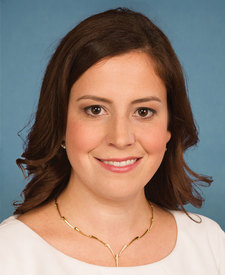
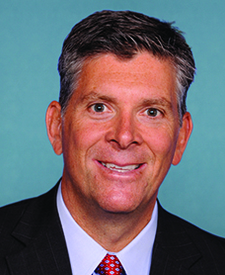
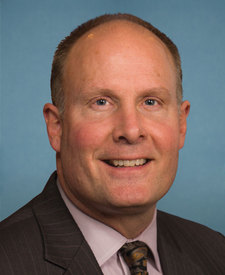
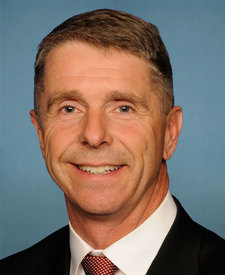
Ms. Stefanik (for herself, Mr. Moolenaar, Mr. LaHood, and Mr. …
Referred to the Committee on Ways and Means, and in …
Introduced in House
Stakeholder Effects
cui bono?How this legislation distributes effects. Mention counts reflect frequency, not effect magnitude.
CBP drone entry verification staff, CBP tariff enforcement offices, DHS secure drone grant administrators
Allied unmanned aircraft manufacturers, Chinese unmanned aircraft manufacturers, Drone importers using Chinese components
Positive-direction: Allied unmanned aircraft manufacturers, Secure drone manufacturers outside China, United States unmanned aircraft manufacturers
Negative-direction: Chinese unmanned aircraft manufacturers, Drone importers using Chinese components
Critical infrastructure providers buying secure drones
Bill Structure & Actor Mappings
Who is "The Secretary" in each section?
- "cbp"
- → U.S. Customs and Border Protection
- "faa"
- → Federal Aviation Administration
- "china_suppliers"
- → Unmanned aircraft suppliers in the People's Republic of China
- "domestic_manufacturers"
- → United States and allied unmanned aircraft manufacturers
- "farmers"
- → Farmers and ranchers
- "secretary"
- → Secretary of Homeland Security
- "first_responders"
- → First responder agencies
- "agriculture_secretary"
- → Secretary of Agriculture
- "critical_infrastructure"
- → Critical infrastructure providers
- "transportation_secretary"
- → Secretary of Transportation
Key Definitions
Terms defined in this bill
A Treasury fund receiving duties from the new Chinese drone tariff subheading and financing secure drone grants in the next fiscal year.
An unmanned aircraft system that is not manufactured or assembled by a covered foreign entity or in a foreign adversary country.
A foreign entity on specified federal screening, Defense Department Chinese military company, Treasury Chinese military-industrial complex, DHS Uyghur Forced Labor Prevention Act, or American Security Drone Act lists.
We use a combination of our own taxonomy and classification in addition to large language models to assess meaning and potential beneficiaries. High confidence means strong textual evidence. Always verify with the original bill text.
Learn more about our methodology