AADAPT Act
Summary
What This Bill Does
The AADAPT Act amends the Project ECHO grant program in section 330N of the Public Health Service Act. For the general Project ECHO grant track, eligible entities include organizations that provide or support health care services in rural areas, frontier areas, health professional shortage areas, medically underserved areas, medically underserved populations, Native Americans, Indian Tribes, Tribal organizations, and urban Indian organizations. The bill also creates a specific grant track for Alzheimer disease and related dementias. Within one year, the Secretary must award one or more grants to public or nonprofit private entities that can lead a technology-enabled collaborative learning and capacity-building model for dementia care. Those grants are meant to improve provider retention and increase access to early, accurate diagnosis and quality dementia care.
Who Benefits and How
Rural health care providers benefit from Project ECHO training support that can build specialist knowledge without leaving their communities. Frontier-area clinicians benefit from technology-enabled collaborative learning. Medically underserved patients benefit if local clinicians can diagnose Alzheimer disease and related dementias earlier and manage care better. Native American patients and Tribal health organizations benefit because the eligibility language explicitly includes Native Americans, Indian Tribes, Tribal organizations, and urban Indian organizations. Public nonprofit dementia-care training entities benefit from a new grant path for Alzheimer disease and related dementia models.
Who Bears the Burden and How
The Department of Health and Human Services must award the dementia-care grants within one year and administer the broader Project ECHO eligibility changes. HRSA grant officers must write notices, review applications, and monitor grantees. Grant recipients must run technology-enabled training models and demonstrate capacity-building results. Eligible health care professionals must spend time participating in collaborative learning. Federal taxpayers bear the program cost if Congress appropriates funds for the reauthorized grants.
Key Provisions
- Expands Project ECHO eligible entities for rural, frontier, shortage-area, medically underserved, and Native health care settings.
- Creates a grant track for Alzheimer disease and related dementia care models.
- Requires the Secretary to award one or more dementia-care grants within one year.
- Supports technology-enabled collaborative learning and capacity building for eligible health care professionals.
- Directs the grants toward provider retention, early accurate diagnosis, and quality dementia care.
Evidence Chain:
This summary is generated from the full bill text using AI analysis. Expand "Detailed Analysis" below for identified beneficiaries/burden bearers with clause-level evidence links.
At a Glance
What This Bill Does
Reauthorizes and expands the Public Health Service Act Project ECHO grant program by updating eligible entities, requiring grants within one year for technology-enabled Alzheimer disease and dementia care training, and supporting rural, frontier, shortage-area, medically underserved, Tribal, and Native health care settings.
Key Policy Areas
Health Care, Rural Health, Aging
Primary Purpose
Reauthorizes and expands the Public Health Service Act Project ECHO grant program by updating eligible entities, requiring grants within one year for technology-enabled Alzheimer disease and dementia care training, and supporting rural, frontier, shortage-area, medically underserved, Tribal, and Native health care settings.
Policy Domains
House resolution provisions
Identified Gains
- Rural health care providers
- Frontier-area clinicians
- Medically underserved patients
- Native American patients
- Tribal health organizations
- Public nonprofit dementia-care training entities
Identified Costs
- Department of Health and Human Services
- HRSA grant officers
- Project ECHO grant recipients
- Eligible health care professionals
- Federal taxpayers
Sponsors


Legislative Progress
ReportedOrdered to be Reported by the Yeas and Nays: 48 …
Committee Consideration and Mark-up Session Held
Forwarded by Subcommittee to Full Committee (Amended) by Voice Vote.
Subcommittee Consideration and Mark-up Session Held
Referred to the Subcommittee on Health.
Referred to the House Committee on Energy and Commerce.
Introduced in House
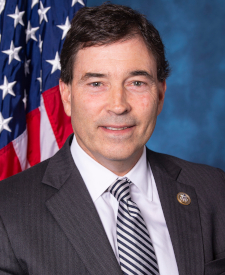
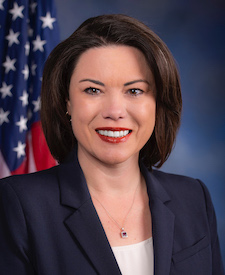
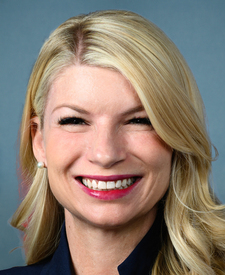
Mr. Balderson (for himself, Ms. Barragán, Mr. LaHood, and Mr. …
Stakeholder Effects
cui bono?How this legislation distributes effects. Mention counts reflect frequency, not effect magnitude.
Alzheimer disease care training entities, Frontier-area clinicians, Medically underserved patients
Department of Health and Human Services, HRSA grant officers
Bill Structure & Actor Mappings
Who is "The Secretary" in each section?
- "secretary"
- → Secretary of Health and Human Services
- "project_echo"
- → Project ECHO grant program
We use a combination of our own taxonomy and classification in addition to large language models to assess meaning and potential beneficiaries. High confidence means strong textual evidence. Always verify with the original bill text.
Learn more about our methodology