BARK Act of 2025
Summary
What This Bill Does
The BARK Act creates a pet-food analogue to food-donation liability protection. A person that donates apparently fit pet-related products in good faith to a state government, local government, or nonprofit for distribution to qualified animals is protected from civil or criminal liability arising from the product's nature, age, packaging, or condition. Nonprofits and governments receiving those products receive parallel protection when they distribute them. The shield does not apply when injury or death results from gross negligence or intentional misconduct. Donors of distressed or defective pet food or supplies that do not meet all quality or labeling standards can still receive protection if they disclose the condition, the recipient agrees to recondition the product before distribution, and the recipient knows the relevant standards. The bill defines covered products to include pet food and supplies, and qualified animals to include pets, emotional support animals, and service animals, while clarifying that it does not create liability or supersede state or local health regulations.
Who Benefits and How
Pet food donors benefit from reduced civil and criminal liability when donating apparently fit products in good faith. Animal shelters and rescue nonprofits benefit because liability protection makes it easier to receive and distribute donated pet supplies. Low-income pet owners benefit if more surplus pet food and supplies reach distribution channels. Service animal handlers benefit because the definition of qualified animal includes service animals.
Who Bears the Burden and How
Recipient nonprofits must recondition distressed or defective products when they agree to accept nonconforming donations. State governments and local governments must apply health standards while distributing or reconditioning donated products. Ultimate recipients remain exposed to product risks when gross negligence or intentional misconduct occurs. Pet-product manufacturers and retailers may need disclosure practices for distressed or defective donated inventory.
Key Provisions
- Protects good-faith donors of apparently fit pet food and supplies from civil and criminal liability.
- Extends parallel liability protection to recipient nonprofits, state governments, and local governments.
- Requires disclosure and reconditioning agreements for distressed or defective donated products.
- Preserves liability for gross negligence and intentional misconduct.
- Defines qualified animals to include pets, emotional support animals, and service animals.
Evidence Chain:
This summary is generated from the full bill text using AI analysis. Expand "Detailed Analysis" below for identified beneficiaries/burden bearers with clause-level evidence links.
At a Glance
What This Bill Does
Extends good-faith donation liability protections to pet food and pet supplies donated to state governments, local governments, and nonprofit organizations for pets, emotional support animals, and service animals, while preserving liability for gross negligence, intentional misconduct, and state or local health rules.
Key Policy Areas
Animal Welfare, Nonprofits, Liability
Primary Purpose
Extends good-faith donation liability protections to pet food and pet supplies donated to state governments, local governments, and nonprofit organizations for pets, emotional support animals, and service animals, while preserving liability for gross negligence, intentional misconduct, and state or local health rules.
Policy Domains
Resolution provisions
Identified Gains
- Pet food donors
- Animal shelters
- Low-income pet owners
- Service animal handlers
Identified Costs
- Recipient nonprofits
- State governments
- Local governments
- Pet-product retailers
Sponsors
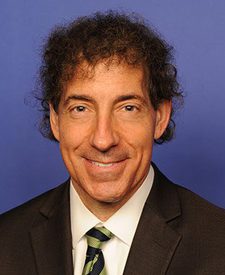


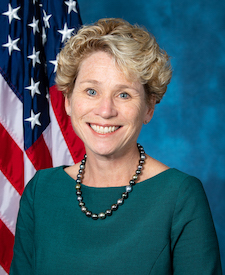
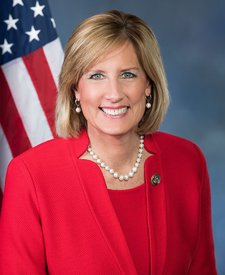
Legislative Progress
In CommitteeMr. Raskin (for himself, Mrs. Kim, Mrs. McBath, Mr. Fitzpatrick, …
Referred to the House Committee on the Judiciary.
Introduced in House
Stakeholder Effects
cui bono?How this legislation distributes effects. Mention counts reflect frequency, not effect magnitude.
Animal shelters, Recipient nonprofits
Positive-direction: Animal shelters
Negative-direction: Recipient nonprofits
Bill Structure & Actor Mappings
Who is "The Secretary" in each section?
We use a combination of our own taxonomy and classification in addition to large language models to assess meaning and potential beneficiaries. High confidence means strong textual evidence. Always verify with the original bill text.
Learn more about our methodology