Living Organ Donor Tax Credit Act
Summary
What This Bill Does
The Living Organ Donor Tax Credit Act adds new Internal Revenue Code section 36C for administration by the Internal Revenue Service and Department of the Treasury. A living donor who donates a qualified life-saving organ for transplantation into another individual during the taxable year may claim a tax credit equal to unreimbursed costs paid in connection with the transplantation, travel, lodging, logistical expenses, medical expenses related to donation and follow-up care, paperwork or legal costs, and lost wages. The credit is capped at $5,000 per individual per taxable year. Qualified organs include kidney, liver, lung, pancreas, intestine, bone marrow, or any part of those organs. The donor must be alive when the organ is removed, the donation and transplantation must occur in the United States and comply with U.S. law, and reimbursed amounts from transplant centers, insurers, employers, charities, or public programs do not count. The bill also coordinates the credit with Public Health Service Act section 377 and the National Organ Transplant Act so the tax credit does not count as a prohibited valuable consideration or conflicting payment. The credit applies to taxable years beginning after enactment, while coordination amendments take effect on enactment.
Who Benefits and How
Living organ donors benefit from a credit for unreimbursed costs, travel, lodging, medical follow-up, legal paperwork, and lost wages. Kidney and liver transplant candidates benefit if the credit makes living donation financially easier. Bone marrow donors benefit because bone marrow is included as a qualified life-saving organ. Transplant centers benefit if more potential donors can manage out-of-pocket costs.
Who Bears the Burden and How
Internal Revenue Service tax administrators must implement and verify the new section 36C credit. Department of the Treasury tax staff must write any regulations defining when an organ is treated as donated. Federal revenue declines when donors claim the credit. Transplant centers and insurers must identify reimbursements so donors do not claim expenses already paid by public or private payers.
Key Provisions
- Creates a tax credit for living donors of qualified life-saving organs.
- Limits the credit to $5,000 per individual per taxable year.
- Covers unreimbursed transplant, travel, lodging, medical, legal, paperwork, and lost-wage costs.
- Requires the donor to be alive when the organ is removed and the transplant to comply with U.S. law.
- Coordinates the tax credit with federal organ-donation payment restrictions.
Evidence Chain:
This summary is generated from the full bill text using AI analysis. Expand "Detailed Analysis" below for identified beneficiaries/burden bearers with clause-level evidence links.
At a Glance
What This Bill Does
Creates a federal tax credit of up to $5,000 for living donors of kidneys, livers, lungs, pancreases, intestines, bone marrow, or parts of those organs, covering unreimbursed transplant costs, travel, lodging, logistical expenses, medical and follow-up care, paperwork or legal costs, and lost wages for U.S.-law-compliant donations.
Key Policy Areas
Tax, Organ Donation, Health Care
Primary Purpose
Creates a federal tax credit of up to $5,000 for living donors of kidneys, livers, lungs, pancreases, intestines, bone marrow, or parts of those organs, covering unreimbursed transplant costs, travel, lodging, logistical expenses, medical and follow-up care, paperwork or legal costs, and lost wages for U.S.-law-compliant donations.
Policy Domains
Resolution provisions
Identified Gains
- Living donor families
- Organ transplant patients
- Transplant hospitals
- Healthcare providers
Identified Costs
- Internal Revenue Service
- Department of the Treasury
- Federal taxpayers
- Transplant hospitals
Sponsors




Legislative Progress
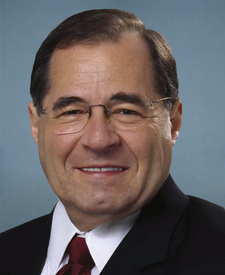
In CommitteeMr. Wilson of South Carolina (for himself and Mr. Nadler) …
Referred to the Committee on Ways and Means, and in …
Introduced in House
Stakeholder Effects
cui bono?How this legislation distributes effects. Mention counts reflect frequency, not effect magnitude.
Bone marrow donors, Kidney transplant candidates, Living organ donors
Bill Structure & Actor Mappings
Who is "The Secretary" in each section?
We use a combination of our own taxonomy and classification in addition to large language models to assess meaning and potential beneficiaries. High confidence means strong textual evidence. Always verify with the original bill text.
Learn more about our methodology