To require the Federal Energy Regulatory Commission to review regulations that may affect the reliable operation of the bulk-power system.
Sponsors
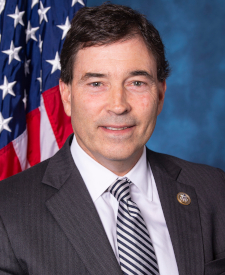




Legislative Progress
Passed HouseAdditional sponsors: Mr. Carter of Georgia, Mrs. Miller of West …
Reported with an amendment, committed to the Committee of the …
Passed House (inferred from eh version)
Mr. Balderson (for himself, Mr. Weber of Texas, and Ms. …
Mr. Balderson (for himself, Mr. Weber of Texas, and Mrs. …
On Passage
Reliable Power Act
Summary
What This Bill Does
The "Reliable Power Act" gives the Federal Energy Regulatory Commission (FERC) new authority to review and block federal regulations that could threaten the reliability of the nation's electric grid. When the Electric Reliability Organization (ERO) determines the power grid is at risk of not having enough generation capacity, federal agencies like the EPA must submit their proposed regulations to FERC for review before they can be finalized.
Who Benefits and How
Electric utilities and power generators benefit from this bill because it creates a new procedural hurdle that could delay or block environmental regulations affecting their operations. When the ERO declares a "state of generation inadequacy," FERC can recommend modifications to EPA rules and other agency regulations, and agencies cannot finalize rules until FERC finds they will not significantly harm grid reliability. This gives the energy industry a powerful new tool to challenge regulations.
FERC and the ERO gain significant new authority. FERC becomes a gatekeeper for federal regulations affecting power generation, while the ERO gains expanded assessment powers and the ability to trigger the review process by declaring generation inadequacy.
Who Bears the Burden and How
The Environmental Protection Agency and other federal agencies face new compliance burdens. They must submit covered regulations to FERC for review, respond in writing to FERC's comments and recommendations, and cannot finalize regulations until FERC approves them. This could significantly delay environmental and other rulemakings.
Environmental and public health advocates may see regulations they support delayed or weakened if FERC determines they could harm grid reliability, potentially prioritizing electricity generation over environmental protection.
Key Provisions
-
Mandatory annual reliability assessments: The ERO must conduct annual long-term assessments analyzing whether the grid has sufficient generation resources, considering weather conditions and regional risks
-
"Generation inadequacy" declaration: When the ERO finds the grid is at risk, it must publicly notify FERC of a "state of generation inadequacy," which triggers the review process
-
FERC review of federal regulations: Once inadequacy is declared, federal agencies must submit any regulations affecting power generation to FERC for review at least 90 days before finalization
-
FERC veto power: Federal agencies cannot finalize covered regulations until FERC finds they will not significantly harm grid reliability
-
Transparency requirements: All FERC comments, recommendations, and agency responses must be made public when regulations are published
Evidence Chain:
This summary is derived from the structured analysis below. See "Detailed Analysis" for per-title beneficiaries/burden bearers with clause-level evidence links.
Primary Purpose
This bill requires the Federal Energy Regulatory Commission to review regulations that may affect the reliable operation of the bulk-power system.
Policy Domains
Bill Structure & Actor Mappings
Who is "The Secretary" in each section?
- "the_secretary"
- → Secretary of Energy
Key Definitions
Terms defined in this bill
Act that amended section 215 of the Federal Power Act
Short title for this Act
We use a combination of our own taxonomy and classification in addition to large language models to assess meaning and potential beneficiaries. High confidence means strong textual evidence. Always verify with the original bill text.
Learn more about our methodology