Title VIII Nursing Workforce Reauthorization Act of 2025
Summary
What This Bill Does
The Title VIII Nursing Workforce Reauthorization Act updates federal nursing workforce grants rather than creating a new insurance benefit. Advanced nursing education grants can support nurse practitioner, nurse-midwifery, nurse anesthesia, and clinical nurse specialist programs, including clinical education and preceptor costs. Nursing education, practice, quality, and retention grants can fund modern training equipment, simulation, augmented reality, telehealth technology, and physical or virtual labs; can increase the number of nurses, faculty, students, and graduates; and can support partnerships with health care facilities, nurse-managed clinics, community health centers, and other clinical sites. The bill adds survivors of sexual assault to populations served through nursing education and practice grants. It reauthorizes Title VIII funding for fiscal years 2026 through 2030, increasing one authorization from $137.837 million to $184.337 million per year and another from $117.135 million to $121.135 million per year.
Who Benefits and How
Nursing schools benefit from reauthorized grants and broader eligible costs for labs, simulation, telehealth, and clinical training. Advanced practice nursing students benefit because preceptor and clinical education costs can be supported directly. Nurse faculty benefit from programs aimed at increasing faculty supply and training capacity. Community health centers and nurse-managed clinics benefit from clinical partnerships that help train nurses in underserved settings.
Who Bears the Burden and How
HRSA nursing workforce staff must administer updated grant categories and higher authorization levels. Nursing schools receiving grants must document eligible technology, clinical education, faculty, and partnership uses. Clinical preceptors and partner facilities must coordinate placements and training obligations. Federal taxpayers bear the cost of the reauthorized and increased grant authority.
Key Provisions
- Reauthorizes Title VIII nursing workforce programs for fiscal years 2026 through 2030.
- Adds clinical education and preceptor costs to advanced nursing education grants.
- Allows grants for simulation, augmented reality, telehealth, physical labs, and virtual labs.
- Adds survivors of sexual assault to priority populations served by nursing education and practice grants.
- Raises annual authorizations to $184.337 million and $121.135 million.
Evidence Chain:
This summary is generated from the full bill text using AI analysis. Expand "Detailed Analysis" below for identified beneficiaries/burden bearers with clause-level evidence links.
At a Glance
What This Bill Does
Reauthorizes and expands Title VIII nursing workforce programs for fiscal years 2026 through 2030, adds clinical education and preceptor costs to advanced nursing education grants, lets nursing schools fund simulation, augmented reality, telehealth, and lab equipment, adds sexual assault survivors to priority care settings, and raises the main authorization levels to $184.337 million and $121.135 million per year.
Key Policy Areas
Health Care, Nursing Workforce, Higher Education
Primary Purpose
Reauthorizes and expands Title VIII nursing workforce programs for fiscal years 2026 through 2030, adds clinical education and preceptor costs to advanced nursing education grants, lets nursing schools fund simulation, augmented reality, telehealth, and lab equipment, adds sexual assault survivors to priority care settings, and raises the main authorization levels to $184.337 million and $121.135 million per year.
Policy Domains
Resolution provisions
Identified Gains
- Nursing schools
- Advanced practice nursing students
- Nurse faculty
- Community health centers
Identified Costs
- HRSA nursing workforce staff
- Grant recipient nursing schools
- Clinical preceptors
- Federal taxpayers
Sponsors
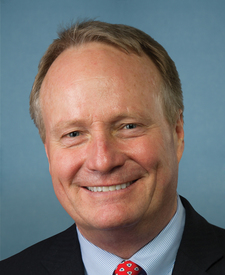

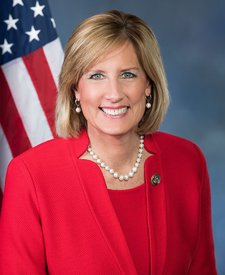
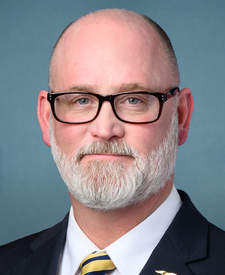

Legislative Progress
In CommitteeForwarded by Subcommittee to Full Committee by Voice Vote.
Subcommittee Consideration and Mark-up Session Held
Referred to the Subcommittee on Health.
Mr. Joyce of Ohio (for himself, Ms. Bonamici, Mrs. Kiggans …
Referred to the House Committee on Energy and Commerce.
Introduced in House
Stakeholder Effects
cui bono?How this legislation distributes effects. Mention counts reflect frequency, not effect magnitude.
Grant recipient nursing schools, Nursing schools
Positive-direction: Nursing schools
Negative-direction: Grant recipient nursing schools
Bill Structure & Actor Mappings
Who is "The Secretary" in each section?
We use a combination of our own taxonomy and classification in addition to large language models to assess meaning and potential beneficiaries. High confidence means strong textual evidence. Always verify with the original bill text.
Learn more about our methodology