The Nuclear First-Strike Security Act of 2025
Summary
What This Bill Does
The Nuclear First-Strike Security Act of 2025 creates a funding limitation on first-use nuclear strikes. No funds authorized for any fiscal year may be obligated or expended to conduct a first-use nuclear strike unless the President decides the strike is in the best interests of the United States and, not more than seven days before the strike, the Secretary of Defense submits a certification to the Speaker, House majority and minority leaders, and Senate majority and minority leaders that the President's decision is valid and legal. The certification requirement does not apply to a first-use nuclear strike under a congressional declaration of war, in response to a nuclear attack against the United States or an ally, or during a launch-on-warning scenario. Allies are NATO members, Japan, South Korea, and Australia. A first-use strike is a U.S. nuclear attack against a foreign country where the Defense Secretary and Joint Chiefs Chair have not jointly confirmed to the President that the foreign country conducted a nuclear attack against the United States or an ally.
Who Benefits and How
Congressional leaders benefit from advance legal certification before most first-use nuclear strikes. Allied governments benefit from a framework that preserves nuclear response authority after attacks on NATO members, Japan, South Korea, or Australia. Nuclear risk-reduction advocates benefit from a funding restriction and certification requirement before first use. The President retains authority to decide a first-use strike is in the best interests of the United States.
Who Bears the Burden and How
The Defense Secretary must certify legal validity to congressional leaders within seven days before covered first-use strikes. The President faces a statutory funding condition before most first-use nuclear strikes. Defense nuclear planners must account for certification procedures unless an exception applies. Foreign targets of a first-use strike face a process that may delay or constrain U.S. nuclear use.
Key Provisions
- Prohibits spending funds on first-use nuclear strikes unless presidential decision and Defense Secretary certification conditions are met.
- Requires certification to House and Senate leaders not more than seven days before a covered strike.
- Exempts strikes under declared war, responses to nuclear attacks on the United States or allies, and launch-on-warning scenarios.
- Defines allies, first-use nuclear strike, and launch-on-warning scenario.
Evidence Chain:
This summary is generated from the full bill text using AI analysis. Expand "Detailed Analysis" below for identified beneficiaries/burden bearers with clause-level evidence links.
At a Glance
What This Bill Does
Bars obligation or expenditure of federal funds for a U.S. first-use nuclear strike unless the President decides the strike is in the national interest and the Defense Secretary certifies to congressional leaders within seven days that the decision is valid and legal, with exceptions for declared war, response to a nuclear attack on the United States or allies, and launch-on-warning scenarios.
Key Policy Areas
Defense, Nuclear Weapons, Congressional Oversight
Primary Purpose
Bars obligation or expenditure of federal funds for a U.S. first-use nuclear strike unless the President decides the strike is in the national interest and the Defense Secretary certifies to congressional leaders within seven days that the decision is valid and legal, with exceptions for declared war, response to a nuclear attack on the United States or allies, and launch-on-warning scenarios.
Policy Domains
Resolution provisions
Identified Gains
- Congressional leaders
- Allied governments
- Nuclear risk-reduction advocates
- President
Identified Costs
- Defense Secretary
- President
- Defense nuclear planners
- Foreign nuclear targets
Sponsors
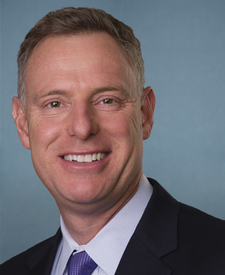
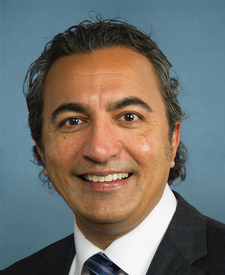
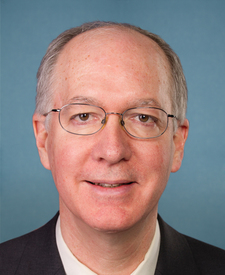
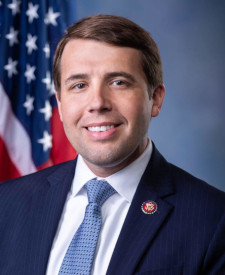

Legislative Progress
In CommitteeMr. Peters (for himself, Mr. Ryan, and Mr. Deluzio) introduced …
Referred to the Committee on Foreign Affairs, and in addition …
Introduced in House
Stakeholder Effects
cui bono?How this legislation distributes effects. Mention counts reflect frequency, not effect magnitude.
Bill Structure & Actor Mappings
Who is "The Secretary" in each section?
We use a combination of our own taxonomy and classification in addition to large language models to assess meaning and potential beneficiaries. High confidence means strong textual evidence. Always verify with the original bill text.
Learn more about our methodology