DEFIANCE Act of 2025
Summary
What This Bill Does
The DEFIANCE Act of 2025 amends 15 U.S.C. 6851, the federal civil action for nonconsensual intimate visual depictions. The findings describe intimate digital forgeries, including deepfakes that paste a real person's face onto nude or sexual imagery or digitally remove clothing, and explain that labels saying the image is fake do not eliminate harm. The bill defines an identifiable individual and intimate digital forgery, covering intimate depictions created through software, machine learning, artificial intelligence, or other computer-generated or technological means that falsely represent the person or intimate conduct and appear authentic to a reasonable viewer. An identifiable individual may sue in federal district court when a person knowingly produced or possessed an intimate digital forgery with intent to disclose it, knowingly disclosed it, or knowingly solicited and received it, if the individual did not consent, the defendant knew or recklessly disregarded lack of consent, and the conduct affected interstate or foreign commerce or used interstate facilities. A separate claim covers knowing production when the defendant knew or recklessly disregarded that the individual did not consent and was harmed or likely to be harmed. Plaintiffs can recover damages, reasonable attorney fees and litigation costs, punitive damages, temporary restraining orders, preliminary or permanent injunctions, and orders to delete, destroy, or stop displaying or disclosing the depiction. Liquidated damages are $150,000 or $250,000 if the conduct relates to or causes sexual assault, stalking, or harassment. Courts may protect plaintiff privacy through pseudonyms, redactions, sealed filings, protective orders, and court control of the depiction. The bill includes severability and preserves intellectual property law.
Who Benefits and How
Victims of intimate deepfakes benefit from a direct federal civil action against producers, possessors, disclosers, solicitors, and recipients. Minors and incapacitated victims benefit because legal guardians can act for identifiable individuals who cannot sue directly. Online abuse survivors benefit from deletion, destruction, display-stop, and disclosure-stop injunctions. Privacy lawyers benefit from a clearer federal cause of action with attorney-fee recovery.
Who Bears the Burden and How
People producing intimate digital forgeries face damages, attorney fees, punitive damages, and injunctions. Websites or users disclosing intimate digital forgeries without consent face federal civil liability when interstate commerce is involved. AI image-generation communities face stronger legal risk around nonconsensual intimate content. Federal courts must handle privacy-protective procedures, sealed filings, protective orders, and depiction custody.
Key Provisions
- Adds intimate digital forgeries to the federal civil action for nonconsensual intimate depictions.
- Defines identifiable individual and intimate digital forgery using AI, machine learning, software, and other technological means.
- Authorizes claims for knowing production, possession with intent to disclose, disclosure, solicitation, and receipt without consent.
- Provides attorney fees, litigation costs, punitive damages, injunctions, deletion orders, and privacy-protective court procedures.
- Sets liquidated damages at $150,000 or $250,000 for aggravated sexual assault, stalking, or harassment-related conduct.
Evidence Chain:
This summary is generated from the full bill text using AI analysis. Expand "Detailed Analysis" below for identified beneficiaries/burden bearers with clause-level evidence links.
At a Glance
What This Bill Does
Expands the federal civil remedy for nonconsensual intimate images to cover AI-generated or technologically altered intimate digital forgeries, allowing identifiable individuals to sue people who knowingly produce, possess with intent to disclose, disclose, solicit, or receive such forgeries without consent, with attorney fees, punitive and equitable relief, deletion orders, privacy protections, and liquidated damages of $150,000 or $250,000 in aggravated cases.
Key Policy Areas
Civil Rights, Privacy, Artificial Intelligence, Online Safety
Primary Purpose
Expands the federal civil remedy for nonconsensual intimate images to cover AI-generated or technologically altered intimate digital forgeries, allowing identifiable individuals to sue people who knowingly produce, possess with intent to disclose, disclose, solicit, or receive such forgeries without consent, with attorney fees, punitive and equitable relief, deletion orders, privacy protections, and liquidated damages of $150,000 or $250,000 in aggravated cases.
Policy Domains
Resolution provisions
Identified Gains
- Victims of intimate deepfakes
- Minors
- Online abuse survivors
- Privacy lawyers
Identified Costs
- People producing intimate digital forgeries
- Websites disclosing intimate digital forgeries
- AI image-generation communities
- Federal courts
Sponsors



Legislative Progress
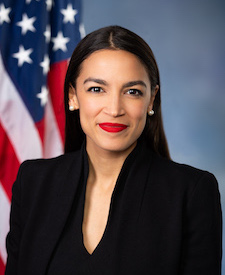
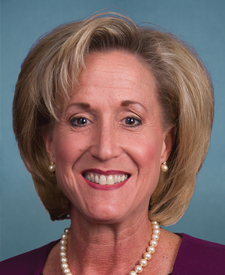
In CommitteeMs. Ocasio-Cortez (for herself, Ms. Lee of Florida, Mrs. Cammack, …
Referred to the House Committee on the Judiciary.
Introduced in House
Stakeholder Effects
cui bono?How this legislation distributes effects. Mention counts reflect frequency, not effect magnitude.
AI image-generation communities, People producing intimate digital forgeries, Websites disclosing intimate digital forgeries
Bill Structure & Actor Mappings
Who is "The Secretary" in each section?
We use a combination of our own taxonomy and classification in addition to large language models to assess meaning and potential beneficiaries. High confidence means strong textual evidence. Always verify with the original bill text.
Learn more about our methodology